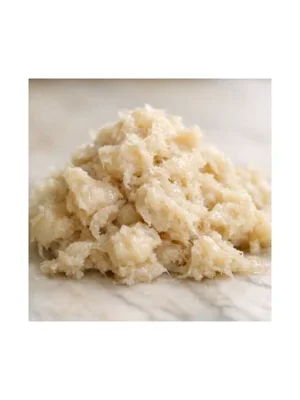
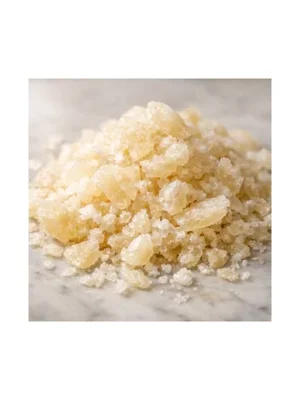
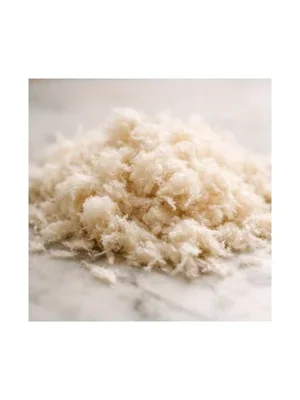
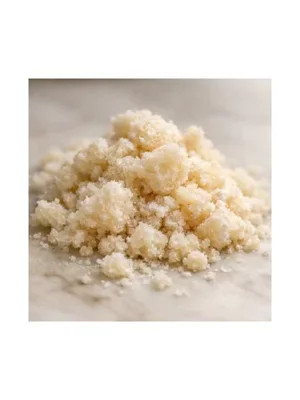
Civet absolute
A natural extractCAS 68916-26-7
Civet absolute (IFRA NCS). Effectively withdrawn from mainstream perfumery on welfare grounds; most civet notes are now civettone-based reconstructions.
Note Profile
civet style accords), civet-style facets
Animalic, fecal musk
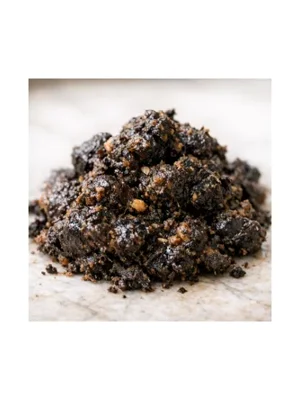
Civet has a deeply animalic scent, often described as musky, warm, and slightly fecal with leathery and sweet undertones. Its aroma can be intense and pungent in isolation, but it mellows and becomes smoother as it dries down. Over time, civet imparts a sensual, velvety depth that enhances the complexity of a fragrance.
Read off the wheel, not a label applied to the note.
CAS 68916-26-7
Civet absolute (IFRA NCS). Effectively withdrawn from mainstream perfumery on welfare grounds; most civet notes are now civettone-based reconstructions.
Traditionally, civet was obtained from the glandular secretions of the African civet cat, but ethical and sustainability concerns have led to the widespread use of synthetic civetone in modern perfumery. Natural civet is rarely used today due to animal welfare regulations and high cost. Synthetic alternatives closely replicate the olfactory profile of the natural material.
Civet is primarily used in the base of perfumes to provide warmth, depth, and a fixative effect. It is valued for its ability to round out floral, oriental, and chypre compositions, often blended with florals, resins, and woods. Perfumers use it sparingly due to its potency and distinctive character.
Perfumers known for using Civet include
Roja Dove, Jacques Guerlain, Christopher Sheldrake, Jacques Polge, Gérard Goupy, and Jean-Claude Ellena
A selection of reviewed perfumes where Civet appears prominently.
EDT · 2026
Maqueda Perfume
EDP · 2017
Zoologist Perfumes
EDP · 2013
Boadicea the Victorious
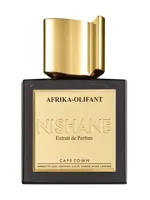
EDP · 2015
Nishane
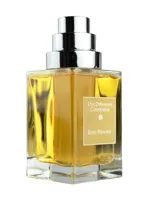
EDP · 2000
The Different Company
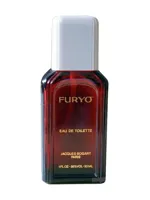
EDT · 1988
Jacques Bogart

EDP · 2024
Lattafa

EDP
Perfume Parlour
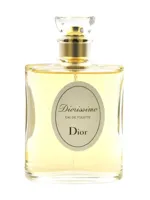
EDT · 1956
Dior
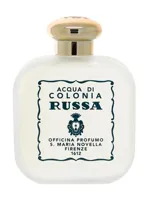
EDC · 2026
Officina Profumo-Farmaceutica di Santa Maria Novella
New finds, honest verdicts, and price drops.
No spam. Unsubscribe anytime. See our privacy policy.