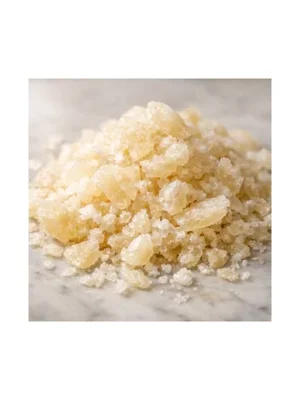
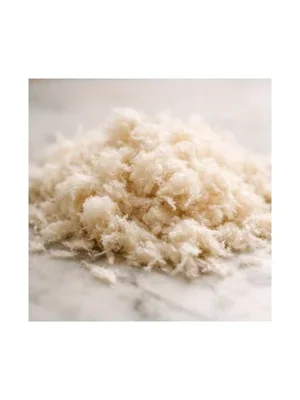
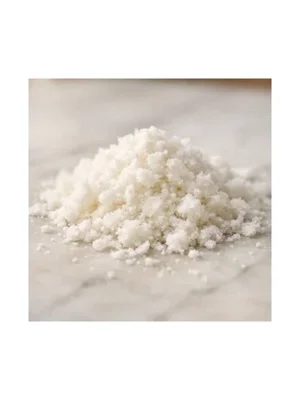
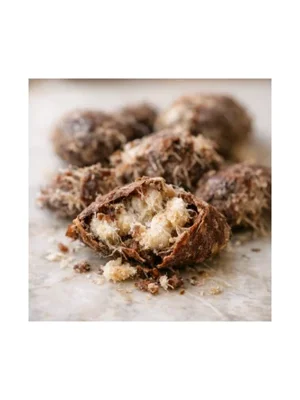
Animalic names no single substance
No material referentA category label covering civet, castoreum, musk and indolic effects - not one material.
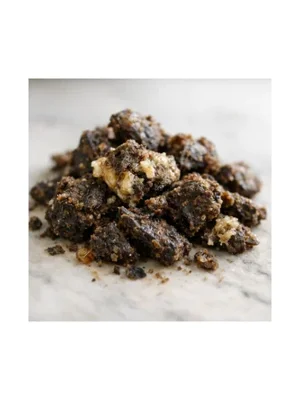
Note Profile
Animal Notes, animalic facets, animalic musks, Animalic Notes, animalic nuances
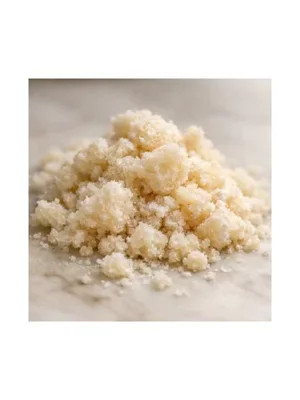
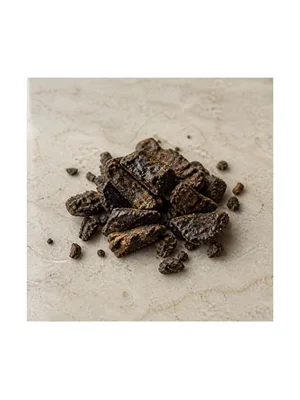
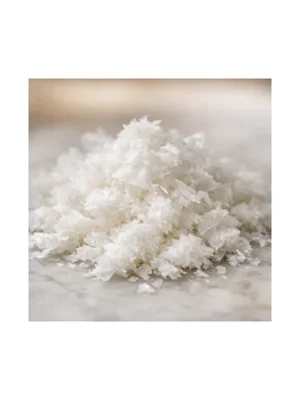
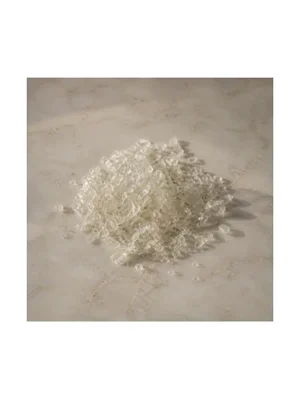
Animalic is a family of notes that once came from civet, castoreum, musk and ambergris. Today they are mostly made with synthetic molecules. They smell of skin, musk and leather, warm and slightly dirty, with a faint barnyard edge at times. They are used in the base to add warmth, depth and staying power.
Animalic notes evoke the scent of skin, musk, leather, and sometimes a subtle barnyard or civet nuance. They can be warm, sensual, slightly dirty, and add depth and realism to a fragrance. Over time, these notes may soften, revealing a musky or leathery undertone.
Read off the wheel, not a label applied to the note.
A category label covering civet, castoreum, musk and indolic effects - not one material.
Animalic notes originally derived from animal sources such as civet, castoreum, musk, and ambergris, but are now largely recreated with synthetic molecules due to ethical and regulatory considerations. These synthetics mimic the complex odor profiles of their natural counterparts.
Perfumers use animalic notes primarily in the base of compositions to impart warmth, longevity, and a sensual character. They are often blended with florals, woods, and resins to add complexity and a naturalistic effect.
Perfumers known for using Animalic include
Alessandro Gualtieri, and Mark Buxton
A selection of reviewed perfumes where Animalic appears prominently.
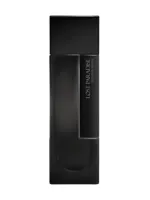
Extrait · 2020
Laurent Mazzone Parfums
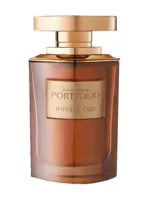
EDP · 2018
Al Haramain Perfumes
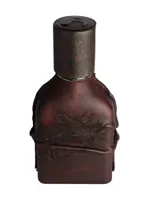
Parfum · 2021
Orto Parisi
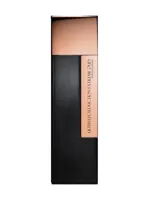
Extrait · 2018
Laurent Mazzone Parfums
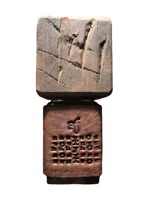
EDP · 2025
Pisello Parfum
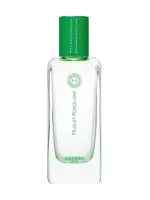
EDT · 2016
Hermès
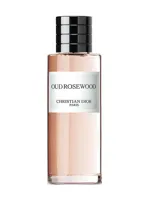
EDP · 2020
Dior
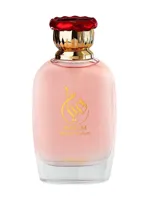
EDP · 2023
Zimaya
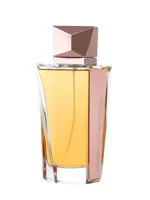
EDP
Al Haramain Perfumes
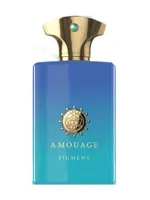
EDP · 2017
Amouage
New finds, honest verdicts, and price drops.
No spam. Unsubscribe anytime. See our privacy policy.