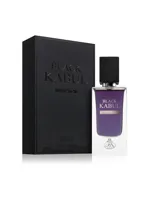
Black Kabul New Edition
EDP
French Avenue
Acquired

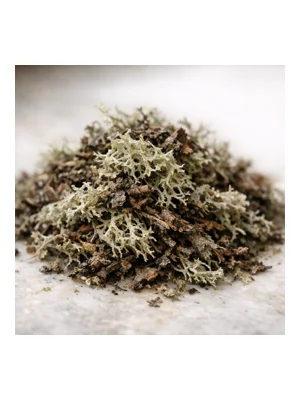
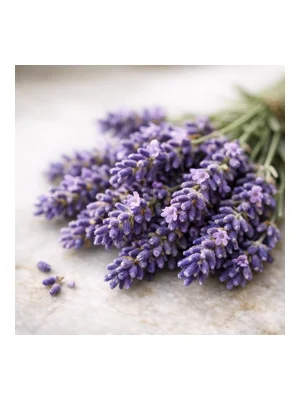
Fougere is a traditional fragrance accord characterized by a fresh, herbaceous blend of lavender, oakmoss, and coumarin, often accented with citrus and woody notes. It evokes the scent of a damp forest floor, combining green, aromatic, and slightly sweet facets. Fougere accords are especially popular in classic and modern masculine fragrances.
Fougere accords are defined by a fresh, herbaceous character with prominent notes of lavender, oakmoss, and coumarin, creating a green, slightly sweet, and mossy scent. They often feature cool, aromatic facets accented by citrus top notes and a woody or earthy base. The overall impression is reminiscent of a shaded forest floor with both crisp and soft elements.
Notes most distinctively associated with Fougere fragrances.
Notes most frequently found in Fougere fragrances.
The fougere accord originated in 1882 with the creation of Houbigant's 'Fougère Royale,' which established the template for this fragrance family. Its name derives from the French word for 'fern,' though the scent is an abstract interpretation rather than a direct botanical replica. Fougere has played a foundational role in the development of masculine perfumery, particularly throughout the 20th century.
Perfumers use the fougere accord as a backbone for many men's fragrances, often building around its aromatic, green, and woody structure. It is commonly paired with additional herbal, spicy, or citrus notes to enhance freshness or complexity, and may be enriched with amber or vetiver for depth. Fougere typically forms the heart of a composition, bridging fresh top notes and a mossy, woody base.
A selection of reviewed perfumes built around Fougere.
EDP
French Avenue
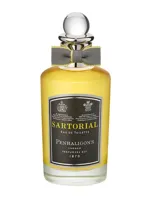
EDT · 2010
Penhaligon's
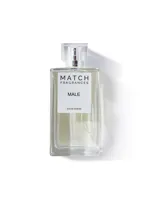
EDP
Match Fragrances
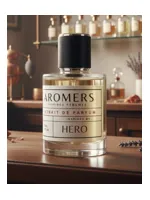
Extrait
Aromers
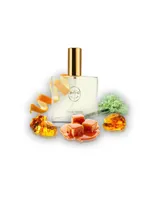
EDP
Perfumes Zag Zodiak
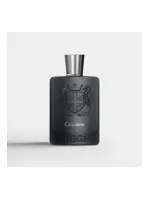
EDP · 2025
Riggs London
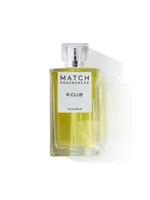
EDP
Match Fragrances
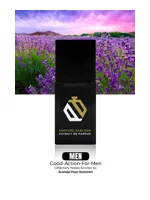
EDP · 2021
Perfume Parlour
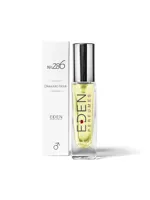
EDP
Eden Perfumes
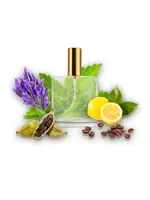
EDP
Perfumes Zag Zodiak
New dupes, honest verdicts, and UK price drops.
No spam. Unsubscribe anytime. See our privacy policy.