Mung Bean names no single substance
ReconstructedNot extracted.
Note Profile
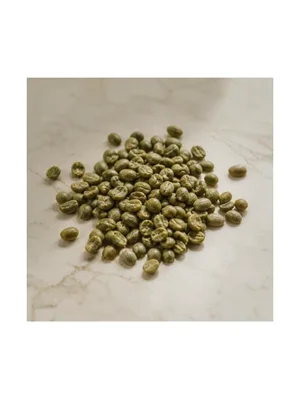
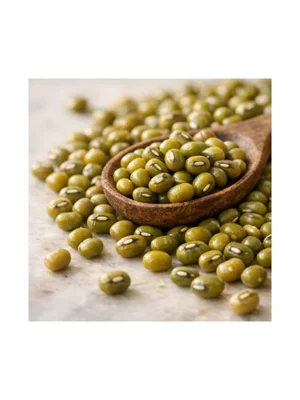
Mung bean is the seed of Vigna radiata, a legume grown mainly in Asia. Its aroma is captured by solvent extraction or headspace technology. It smells green, nutty and slightly milky, like fresh legumes and steamed grains, with earthy and starchy tones. It dries to a soft, creamy finish. It is used in the heart or base for a gourmand or vegetal accent.
Mung bean has a distinctive green, nutty, and slightly milky aroma, with subtle earthy and starchy undertones. Its scent is reminiscent of fresh legumes and steamed grains, evolving to reveal a soft, creamy facet as it dries down. The note offers a unique gourmand quality that bridges vegetal and edible nuances.
Read off the wheel, not a label applied to the note.
Not extracted.
Mung bean is derived from the seeds of Vigna radiata, a leguminous plant cultivated primarily in Asia. In perfumery, its scent is typically captured through extraction methods such as solvent extraction or headspace technology, which isolate its aromatic compounds without the need for distillation.
Perfumers use mung bean as a heart or base note to introduce a novel gourmand or vegetal accent, often pairing it with milky, nutty, or green notes. It can add depth and realism to compositions inspired by food, or provide a creamy, comforting backdrop in modern niche fragrances.
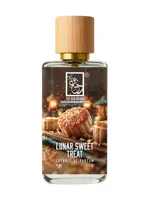
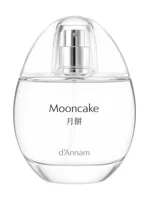
A selection of reviewed perfumes where Mung Bean appears prominently.
New finds, honest verdicts, and price drops.
No spam. Unsubscribe anytime. See our privacy policy.