Mandrake names no single substance
ReconstructedMandragora is toxic and not extracted; the note is a dark-botanical image.
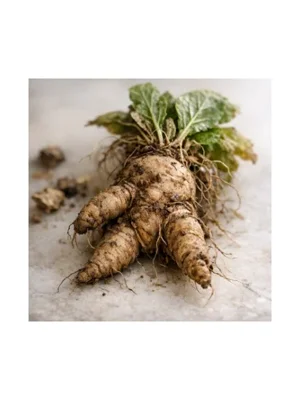
Note Profile
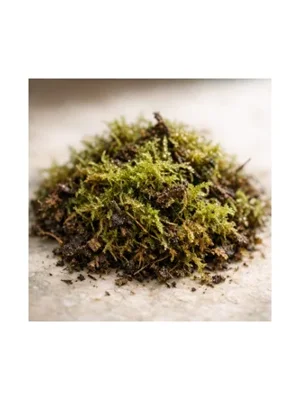
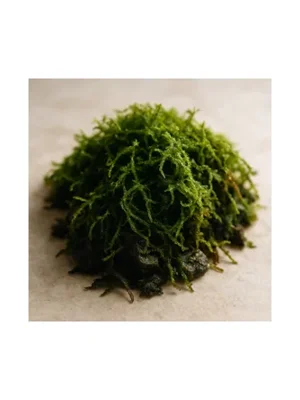
Mandrake is the root of plants in the genus Mandragora, native to the Mediterranean region. It is toxic and rare, so perfumers use accords or synthetic versions. It smells earthy, rooty and slightly bitter, with green and aniseed touches. It recalls damp soil and cellar moss, with an uneasy medicinal edge. It is a fantasy note for niche work.
Mandrake has a complex herbal scent profile, often described as earthy, rooty, and slightly bitter with subtle green and anisic undertones. The aroma evokes damp soil, dank cellar moss, and a faint but unsettling medicinal-narcotic edge. As it evolves, it may reveal nuances reminiscent of parsnip or ginseng.
Read off the wheel, not a label applied to the note.
Mandragora is toxic and not extracted; the note is a dark-botanical image.
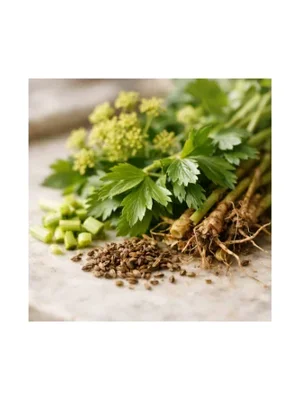
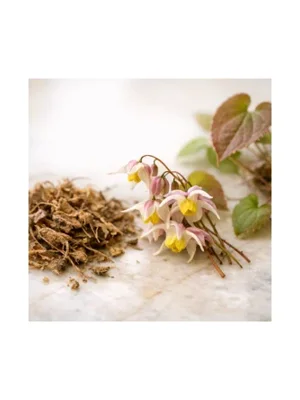
Mandrake refers to the roots of plants in the Mandragora genus, native to the Mediterranean region. Historically, the roots have been harvested and dried, but due to toxicity and rarity, mandrake is seldom used in modern perfumery and is typically represented through accords or synthetic recreations.
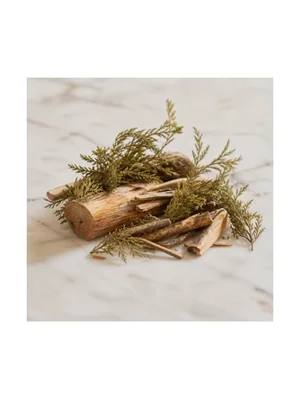
In perfumery, mandrake is used as a fantasy note to impart a mysterious, earthy-herbal character, often in niche or conceptual fragrances. It is usually placed in the heart or base to anchor compositions and pairs well with woody, mossy, and spicy notes. Its use is primarily symbolic or evocative rather than literal due to safety considerations.
A selection of reviewed perfumes where Mandrake appears prominently.
No perfumes featuring this note have been reviewed yet. Check back soon.
New finds, honest verdicts, and price drops.
No spam. Unsubscribe anytime. See our privacy policy.