Platanus names no single substance
ReconstructedPlane tree; not extracted.
Note Profile
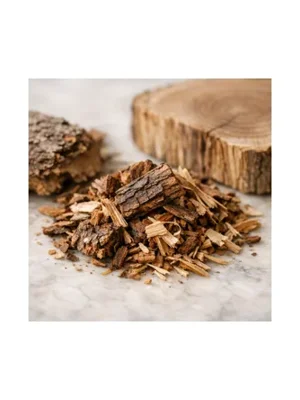
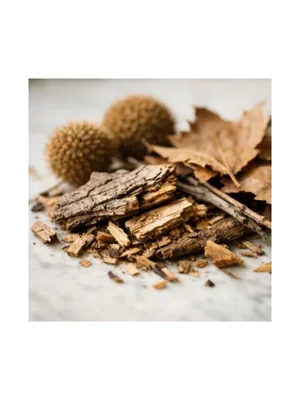
Platanus (plane tree) brings a subtle, dry, woody note with earthy and slightly green nuances reminiscent of fresh-cut wood and crushed leaves. It can evoke the scent of shaded tree bark, sun-warmed branches, and a faintly resinous undertone, adding depth and naturalness to a composition.
Platanus has a subtle, dry woody aroma with earthy and slightly green nuances, reminiscent of fresh-cut wood and crushed leaves. Its scent can evoke shaded tree bark, sun-warmed branches, and a faintly resinous undertone. The note evolves from a crisp, leafy opening to a more grounded, woody drydown.
Read off the wheel, not a label applied to the note.
Plane tree; not extracted.
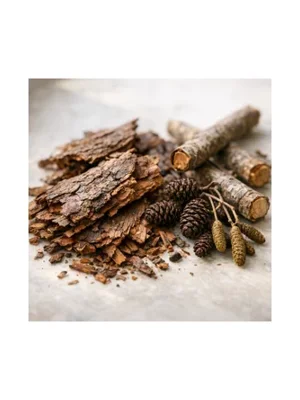
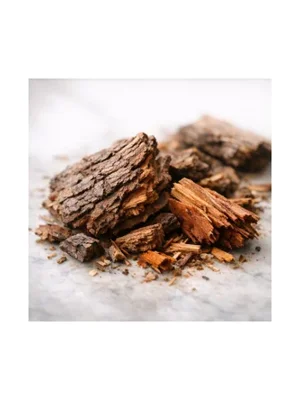
Platanus is derived from the plane tree, with its aromatic components typically obtained through steam distillation or solvent extraction of the bark, twigs, or leaves. The tree is native to temperate regions of the Northern Hemisphere, especially Europe and North America. Its extraction is relatively rare in commercial perfumery, making it a specialty natural material.
Perfumers use platanus primarily in the heart or base of woody, green, or chypre compositions to impart a naturalistic, forest-like depth. It blends well with vetiver, oakmoss, cedarwood, and leafy notes, as well as with subtle florals for added complexity. Platanus can enhance the realism and texture of compositions, especially those aiming for a shaded woodland effect.
A selection of reviewed perfumes where Platanus appears prominently.
New finds, honest verdicts, and price drops.
No spam. Unsubscribe anytime. See our privacy policy.