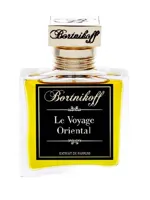
Le Voyage Oriental
Extrait · 2023
Bortnikoff
Acquired
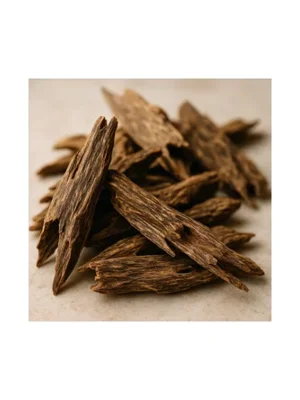
Note Profile
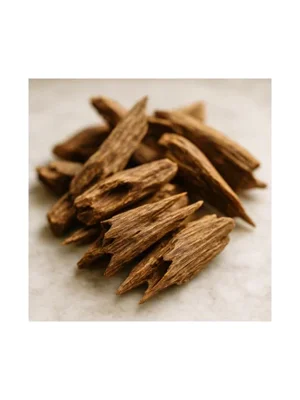
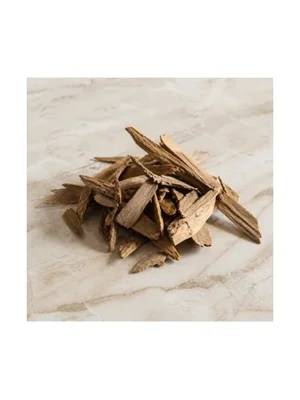
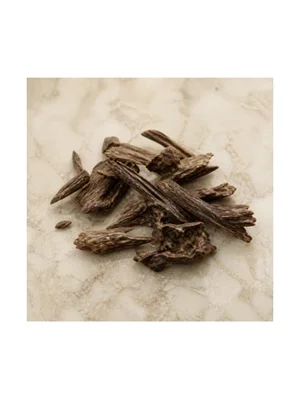
Thailand oud is oud oil distilled from the resinous heartwood of Aquilaria trees in Thailand, mainly Aquilaria crassna. It smells woody and rich, with warm animalic and leathery accents. Many Thai oils also carry a sweet, honeyed, dried-fruit side. It is a base note.
Thailand oud is a deep woody note with warm animalic and leathery accents, and balsamic and smoky facets. A medicinal sharpness can show. Many Thai oils are sweeter and softer, with honey, plum, dried fig and a soft floral note, and less barnyard than Indian oud. An earthy side runs under both styles. It leaves a long woody trail.
Read off the wheel, not a label applied to the note.
Tap a perfume to see where Thailand Oud sits in it. The rest of the picture goes grey
Perfumers can make Thailand Oud from this natural extract.
Smell words come from published sources.
A given perfume with this note may use this material, or something else.
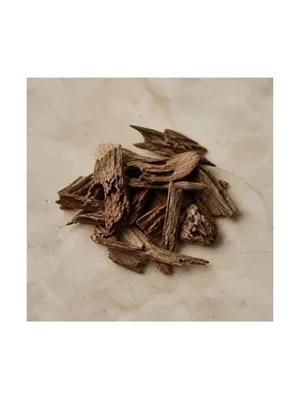
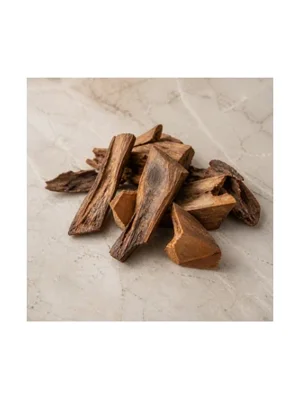
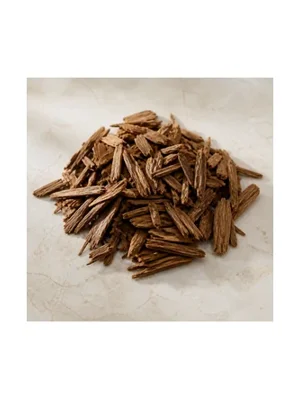
Thailand oud comes from agarwood, the resin-soaked heartwood of Aquilaria trees grown in Thailand. The main species is Aquilaria crassna. A. subintegra and A. malaccensis are also distilled there. The resin forms when the tree reacts to injury or infection, natural or induced. The wood is hydro- or steam distilled. Thailand has both wild and plantation agarwood.
Perfumers use Thailand oud as a base note in woody, leathery and oriental fragrances. Givaudan says it sits at the heart of woody and leathery accords. It is also set beside other ouds to show regional contrast. It is intense, so it is used in small amounts.
Perfumers known for using Thailand Oud include
Prin Lomros, Dmitry Bortnikoff, and Maxim Bortnikov
A selection of reviewed perfumes where Thailand Oud appears prominently.
Extrait · 2023
Bortnikoff
Body Spray · 2021
Lush
EDP
Rosa Salas
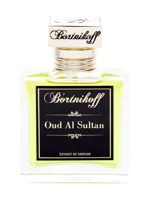
Extrait · 2023
Bortnikoff
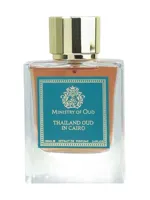
EDP · 2021
Paris Corner
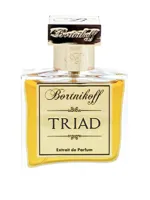
Extrait · 2020
Bortnikoff
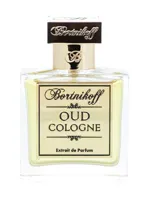
EDC · 2021
Bortnikoff
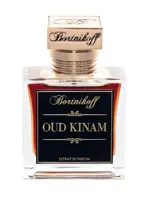
Extrait · 2024
Bortnikoff
EDP
Perfume Parlour
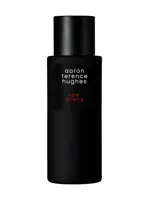
Extrait · 2022
Aaron Terence Hughes
New finds, honest verdicts, and price drops.
No spam. Unsubscribe anytime. See our privacy policy.