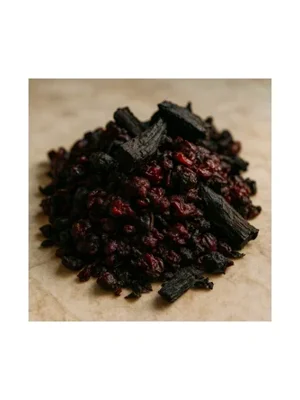
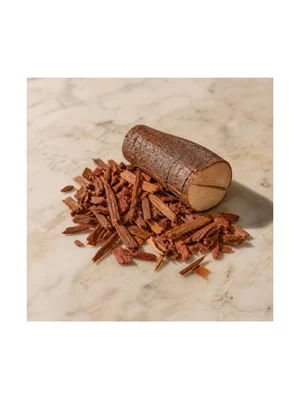
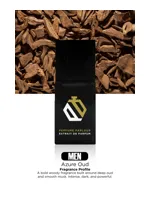
Azure Oud For Men
EDP
Perfume Parlour
Statement
Note Profile
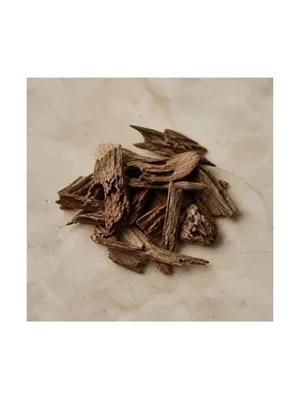
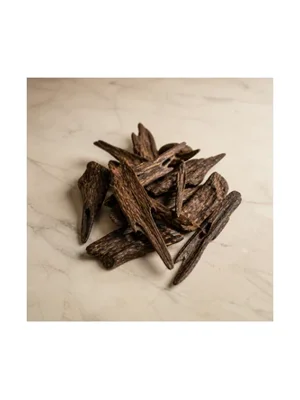
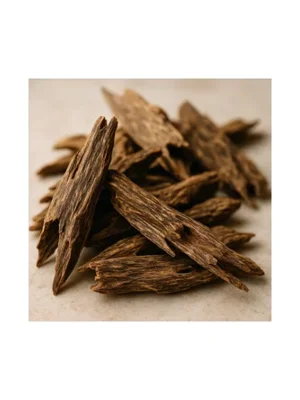
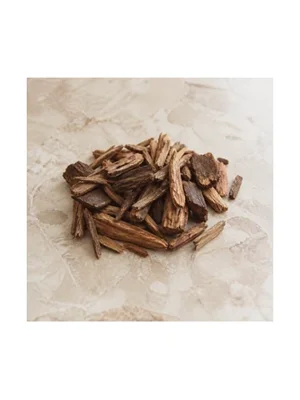
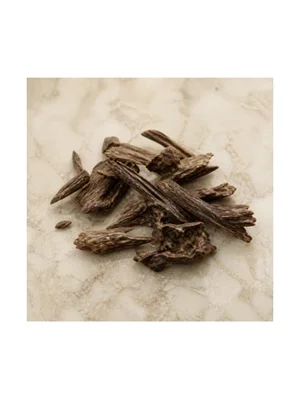
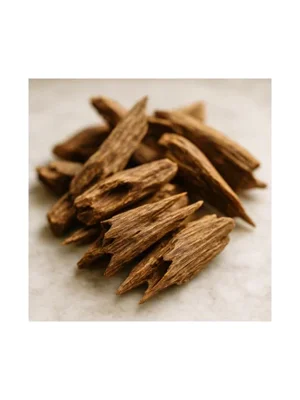
Cambodian Oud is a regional variety of natural oud (agarwood) oil distilled from Aquilaria trees grown in Cambodia. In perfumery it is valued for a rich yet unusually soft oud profile that combines deep woody-resinous facets with honeyed sweetness and subtle fruity nuances. Compared with many Middle Eastern ouds, it is smoother and less aggressively animalic while remaining long-lasting and complex.
Cambodian Oud is described as sweet, woody, and resinous, with a smooth, enveloping warmth. Its aroma features notes reminiscent of honey, caramel, ripe fruits, resting on balsamic, woody undertones that are more rounded than harsh.
Read off the wheel, not a label applied to the note.
Tap a perfume to see where Cambodian Oud sits in it. The rest of the picture goes grey
Perfumers can make Cambodian Oud from this natural extract.
Smell words come from published sources.
A given perfume with this note may use this material, or something else.
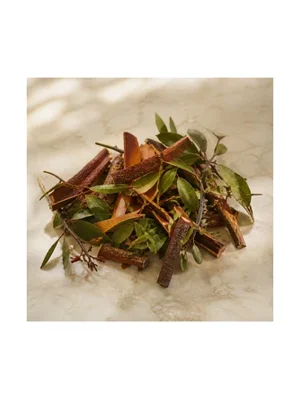
Cambodian Oud comes from the resin-impregnated heartwood (agarwood) of Aquilaria trees cultivated or growing wild in Cambodia, where fungal or other stresses trigger the formation of aromatic oleoresin. The resinous wood is harvested and then hydro- or steam-distilled to yield a concentrated oud essential oil, with its chemistry rich in chromones and sesquiterpenes that shape the characteristic sweet-woody scent.
In perfumery, Cambodian Oud is used primarily as a heart-to-base note, providing depth, longevity, and a complex oud signature that reads smoother and sweeter than many other regional ouds. Perfumers pair it with saffron, rose, patchouli, sandalwood, amber, and sweet balsamic notes to build modern oriental, woody-amber, and oud-centric compositions, or with fruits to emphasise its naturally fruity facets. It is employed both as pure oil in attars and niche extraits and as a key natural reference when constructing synthetic oud accords that aim for a softer, more accessible oud style.
Perfumers known for using Cambodian Oud include
Paolo Terenzi, Chris Maurice, Renier R. Mendez, and Zackaria Ibn Hossain
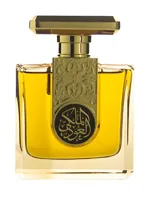
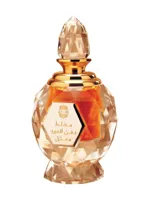
A selection of reviewed perfumes where Cambodian Oud appears prominently.
EDP
Perfume Parlour
EDP · 2019
Arabian Oud
EDP · 2017
Ajmal
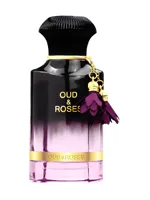
EDP · 2016
Ahmed Al Maghribi
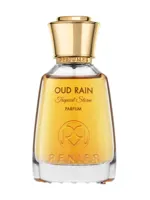
Extrait · 2023
Renier Perfumes
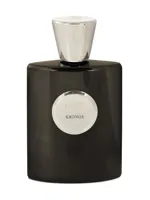
Extrait · 2018
Giardino Benessere
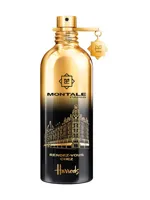
EDP · 2024
Montale
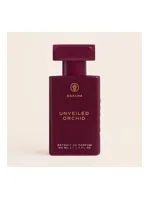
Extrait · 2026
Oakcha
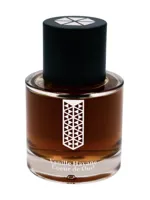
Extrait · 2024
Les Indémodables
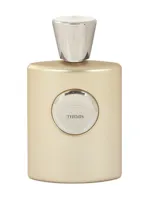
Extrait · 2020
Giardino Benessere
New finds, honest verdicts, and price drops.
No spam. Unsubscribe anytime. See our privacy policy.