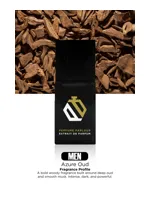
Azure Oud For Men
EDP
Perfume Parlour
Statement
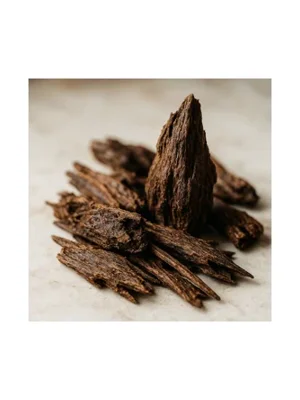
Note Profile
Indian Oud is oud oil distilled from agarwood grown in India, mostly in Assam. It opens with a hard-hitting animalic, barnyard note. It then settles into leather, damp earth, hay and dark resinous wood over many hours. Perfumers use it for the most forceful, traditional oud character.
Indian oud opens hard and animalic: barnyard, leather and fermented, with a sharp, almost fecal edge. Smoky and medicinal notes come with it. It then settles into worn leather, damp earth, sweet hay and dark resinous wood, with a tarry depth that lasts many hours. It is rougher and more pungent than Cambodian oud, which is sweeter and fruitier.
Read off the wheel, not a label applied to the note.
Tap a perfume to see where Indian Oud sits in it. The rest of the picture goes grey
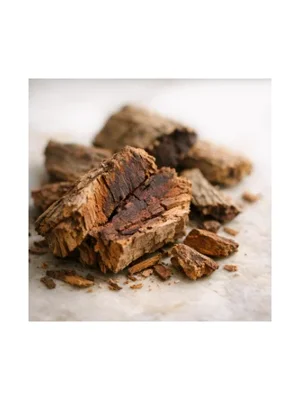
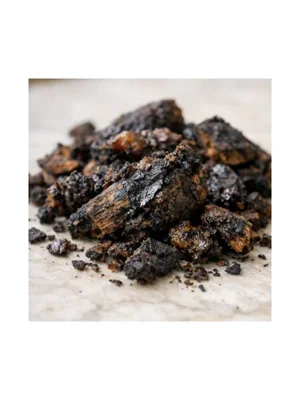
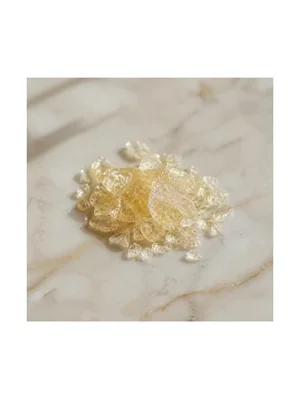
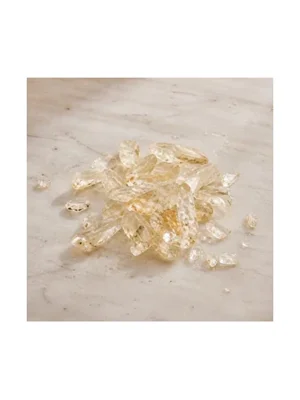
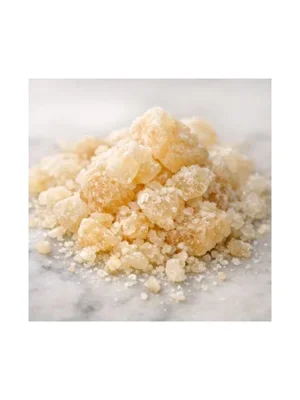
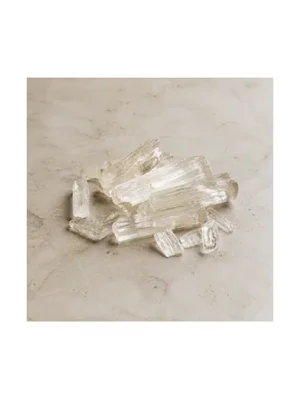
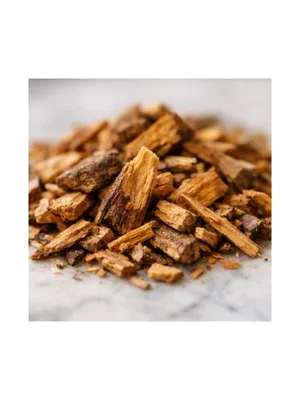
Perfumers can make Indian Oud from this natural extract.
Smell words come from published sources.
A given perfume with this note may use this material, or something else.
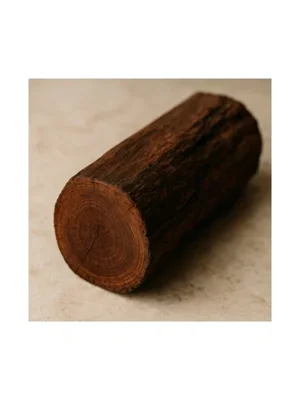
Indian oud comes from the resin-loaded heartwood of agarwood trees, Aquilaria malaccensis (older name A. agallocha), grown or wild-harvested in India, chiefly Assam. A fungal infection or other stress makes the tree lay down a dark, fragrant resin. Distillers soak the wood chips in water, often for weeks, then distil them. The wood ferments in the soak. Distillers and traders name that fermentation as the source of the barnyard note. Oils distilled without a soak smell sweeter and cleaner.
Perfumers use Indian oud as a base note in amber, leather and oud-centred perfumes. It gives depth, long wear and an animalic, smoky-woody backbone. It pairs with rose, saffron, incense, labdanum, tobacco, castoreum and balsams. It can also sit against bright citrus and florals for contrast. Its barnyard opening is strong, so it is used in small amounts. It appears mostly in high-end and artisanal perfumes and in attars.
Perfumers known for using Indian Oud include
Dmitry Bortnikoff, Paolo Terenzi, Prin Lomros, Christian Carbonnel, Maxim Bortnikov, and Rajesh Balkrishnan
A selection of reviewed perfumes where Indian Oud appears prominently.
EDP
Perfume Parlour
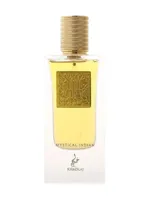
EDP · 2023
Khadlaj Perfumes
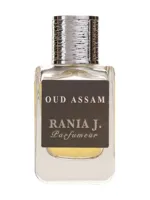
EDP · 2013
RANIA J
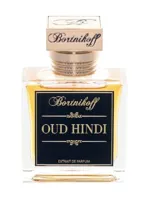
Extrait · 2024
Bortnikoff
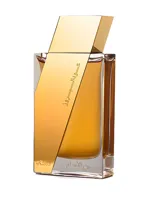
EDP · 2015
Rasasi
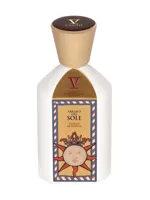
Extrait · 2024
V Canto
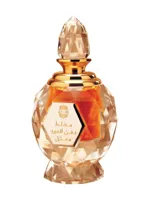
EDP · 2017
Ajmal
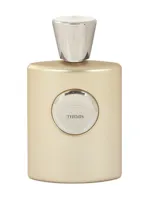
Extrait · 2020
Giardino Benessere
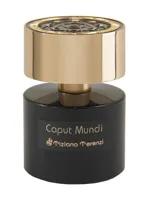
Extrait · 2018
Tiziana Terenzi
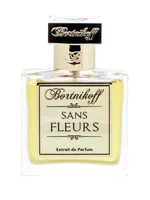
Extrait · 2020
Bortnikoff
New finds, honest verdicts, and price drops.
No spam. Unsubscribe anytime. See our privacy policy.