
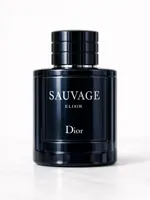
Sauvage Elixir
Parfum · 2021
Dior
Acquired
Fragrance allergen
Eugenol is a spicy, clove-scented phenol that makes up most of clove oil. It also occurs in cinnamon and bay leaf. Perfumers use it for clove, carnation and spice effects. It is named on EU labels because the SCCS counts it as an established contact allergen, and it can convert to stronger allergens.
The SCCS gives eugenol as the main component (80-95%) of clove oil, also found in citronella oil, pimento leaf oil and cinnamon bark oil. PubChem lists cinnamon, clove and bay leaves as plant sources and says it is extracted from essential oils, especially clove oil, nutmeg, cinnamon and bay leaf.
Warm, sweet and spicy, like cloves, with a woody, dry and slightly sharp edge. Suppliers also note phenolic, cinnamon and allspice nuances.
Eugenol gives clove, carnation and spice character. Arctander lists uses in incense, Oriental fragrances and rose bases, and says it is commonly used in large amounts in modern spice types. Outside perfume it is used as a food flavouring and in dental preparations. PubChem lists perfumery, flavourings and essential oils among its uses.
Named on 45% of the 6,851 perfume ingredient lists we hold (3,062 perfumes).
Eugenol is listed in Annex III of the EU Cosmetics Regulation, so it is named on labels above 0.001% in leave-on or 0.01% in rinse-off products. In SCCS/1459/11 it is among the established contact allergens in humans, in the +++ category, with 101 to 1000 positive patch-test reactions reported. The SCCS names eugenol as a well-known prehapten and prohapten, meaning other routes can turn it into a stronger allergen.
A list that does not name it does not prove it is absent: brands only have to name it above the threshold.
Share of the perfumes we hold a list for, in each concentration.
Share of the lists naming Eugenol that also name each of these.
Parfum · 2021
Dior
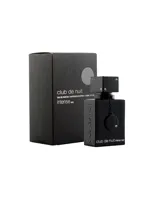
EDP · 2015
Armaf
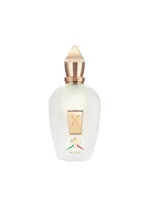
EDP · 2015
Xerjoff
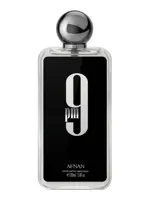
EDP · 2020
Afnan
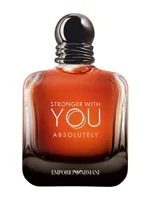
Parfum · 2021
Giorgio Armani
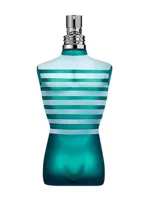
EDT · 1995
Jean Paul Gaultier
Extrait · 2020
Essential Parfums
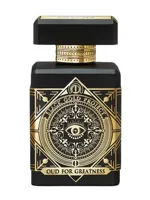
EDP · 2018
Initio Parfums Privés
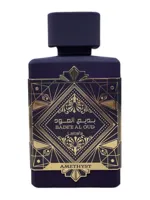
EDP · 2020
Lattafa
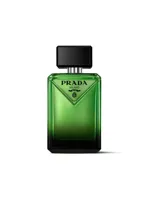
EDP · 2025
Prada
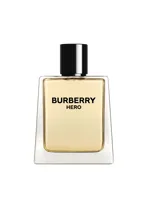
EDT · 2021
Burberry
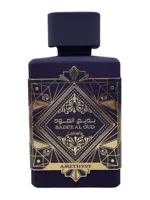
EDP · 2021
Lattafa
Eugenol smells of cloves: warm, spicy and sweet, with a dry, woody and slightly phenolic side. Arctander called it a powerful, warm-spicy, rather dry and almost sharp odour. Cinnamon and allspice nuances are often noted.
Eugenol occurs naturally. The SCCS gives it as 80-95% of clove oil, and it is also found in cinnamon bark, pimento leaf and bay leaf. Natural occurrence does not show whether the eugenol in a given perfume was isolated from plants or made synthetically.
Eugenol is one of the fragrance allergens EU law requires to be named, above 0.001% in leave-on or 0.01% in rinse-off products. The SCCS lists it as an established contact allergen with more than 100 reported positive patch-test reactions.
New finds, honest verdicts, and price drops.
No spam. Unsubscribe anytime. See our privacy policy.