
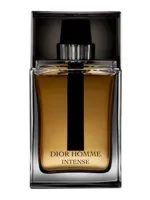
Homme Intense
EDP · 2011
Dior
Statement
Fragrance allergen
Benzyl cinnamate is an ester formed from benzyl alcohol and cinnamic acid. It has a sweet, balsamic smell and occurs in several natural balsams and resins. It is used in perfumes mainly as a fixative, including in heavy oriental perfumes. EU rules list it among fragrance allergens that must be named on labels.
Benzyl cinnamate occurs in Balsam of Peru, Tolu balsam, and Sumatra and Penang benzoin. It is also described as isolated from various plant species. It is the cinnamate ester derived from cinnamic acid and benzyl alcohol, and is prepared by esterification of benzyl alcohol with cinnamic acid.
Sweet and balsamic, with spicy, floral and faintly powdery nuances. Sources describe a sweet odour of balsam, sometimes with fruity or cherry touches.
It is used in perfumes mainly as a fixative, and as a component of heavy, oriental perfumes. One trade description says it gives body and depth. It is also used in artificial flavours, where it likewise acts mainly as a fixative.
Named on 11% of the 6,851 perfume ingredient lists we hold (745 perfumes).
In SCCS/1459/11 benzyl cinnamate is among the established contact allergens in humans, in the ++ category, 11 to 100 positive test reactions reported. The opinion also reproduces the 1999 List B of less frequently reported allergens, which includes it. It was among the allergens named on EU labels before 2023, above 0.001% in leave-on or 0.01% in rinse-off products. IFRA's 51st Amendment index lists it as a Restriction dated 2020. In PubChem's aggregate of ECHA company notifications, H317 and Skin Sens. 1B appear in 99.8% of those giving hazard codes.
A list that does not name it does not prove it is absent: brands only have to name it above the threshold.
Share of the perfumes we hold a list for, in each concentration.
Share of the lists naming Benzyl cinnamate that also name each of these.
EDP · 2011
Dior
EDP · 2023
Valentino
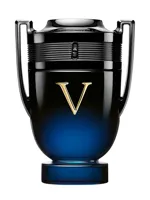
Parfum · 2023
Rabanne
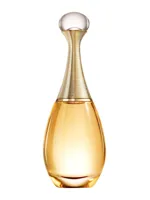
EDP · 1999
Dior
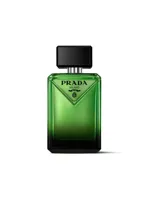
EDP · 2025
Prada
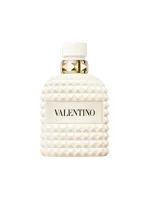
EDT · 2019
Valentino
EDP · 2023
Burberry
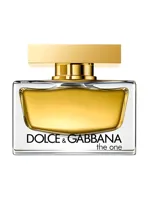
EDP · 2006
Dolce & Gabbana
EDP · 2021
Dior
EDP · 2021
Azzaro
EDT · 2011
Gucci
EDP · 2015
Dolce & Gabbana
It smells sweet and balsamic, with spicy and floral sides and a soft powdery quality. Sources describe a sweet odour of balsam, sometimes with fruity or cherry hints.
It occurs naturally in balsams such as Peru and Tolu and in benzoin resins. It can also be prepared by esterifying benzyl alcohol with cinnamic acid.
EU rules list it as a fragrance allergen, so it must be named in the ingredients when it exceeds 0.001% in leave-on products or 0.01% in rinse-off products, instead of being covered by the word Parfum.
New finds, honest verdicts, and price drops.
No spam. Unsubscribe anytime. See our privacy policy.