
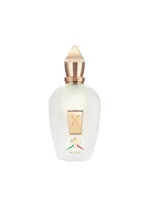
Naxos
EDP · 2015
Xerjoff
Statement
Fragrance allergen
Lemon peel oil is the volatile oil taken from the peel of the lemon, Citrus limon. It is a mixture, mostly of limonene and other terpene hydrocarbons, rather than one molecule. It smells zesty and citrusy. The EU lists it among the fragrance materials that must be named on labels above set limits.
Lemon peel oil is a natural material obtained from the peel of the lemon, Citrus limon, family Rutaceae. One supplier says its oil is produced by a cold expression process. Citrus oils contain large amounts of monoterpene hydrocarbons, and limonene is the largest constituent: reported at 38.1% to 95.8% of cold-pressed lemon peel oils. Composition varies with where the fruit is grown, its maturity, storage and extraction method.
Zesty, juicy and floral, with a citrus lemon character. These are supplier descriptions of the oil rather than a measured profile.
Lemon oil is described as a key ingredient in cosmetics, aromatherapy and gastronomy because of its distinctive smell and taste. In cosmetics, citrus peel oils are most often reported to function as fragrances or skin-conditioning agents. Its odour is described as citrus lemon.
Named on 5% of the 6,851 perfume ingredient lists we hold (351 perfumes).
Citrus Limon Peel Oil is in the 2023 EU list of new or amended Annex III entries, so it must be named above 0.001% in leave-on and 0.01% in rinse-off products. A 2014 CIR assessment describes bergapten as a phototoxic furanocoumarin in citrus peel oils. It reports an IFRA limit of 2% for cold-pressed lemon oil in leave-on products applied to skin areas exposed to direct sunlight. IFRA's 51st Amendment index lists cold-pressed lemon oil as a Restriction dated 2020.
A list that does not name it does not prove it is absent: brands only have to name it above the threshold.
Share of the perfumes we hold a list for, in each concentration.
Share of the lists naming Citrus Limon Peel Oil that also name each of these.
EDP · 2015
Xerjoff
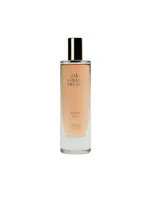
EDP · 2021
Zara
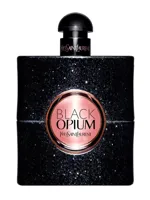
EDP · 2014
Yves Saint Laurent
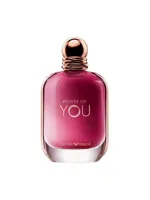
EDP · 2026
Giorgio Armani
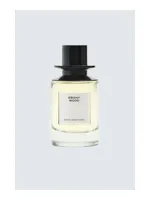
EDP · 2019
Zara
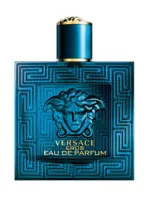
EDP · 2020
Versace
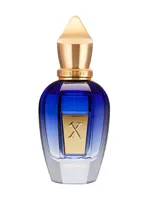
EDP · 2021
Xerjoff
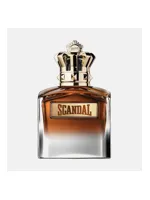
Parfum · 2026
Jean Paul Gaultier
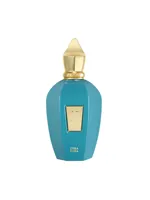
EDP · 2019
Xerjoff
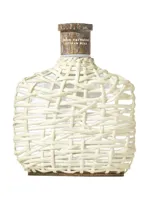
EDT · 2017
John Varvatos
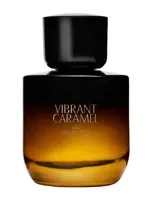
EDP · 2024
Zara
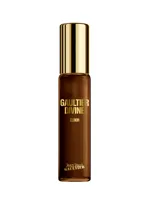
Parfum · 2025
Jean Paul Gaultier
Suppliers describe it as citrus lemon, or as zesty, juicy and floral. That comes from supplier listings, and composition varies with growing location, maturity, storage and extraction method, so individual oils can differ.
It is a natural material obtained from the peel of Citrus limon. One supplier describes cold expression as its production process. Composition varies with growing location, fruit maturity, storage and extraction method.
The EU's 2023 update lists it among the fragrance substances that must be named in the ingredients above 0.001% in leave-on or 0.01% in rinse-off products. From 31 July 2026, non-compliant products may no longer be placed on the EU market. From 31 July 2028, non-compliant products already on the market may no longer be made available.
New finds, honest verdicts, and price drops.
No spam. Unsubscribe anytime. See our privacy policy.