
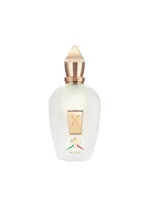
Naxos
EDP · 2015
Xerjoff
Statement
Fragrance allergen
Linalyl acetate is the acetate ester of linalool and a principal scent component of bergamot and lavender oils. It smells sweet, floral and fruity, with a pear-like bergamot character. Perfumers use it as a fresh, sweet blender, and it is also found in soaps, cleaning products and flavourings.
Linalyl acetate is a principal component of bergamot and lavender oils, and ScenTree reports 22 to 36 per cent in expressed bergamot oil. PubChem also lists clary sage and lemon oils. Commercial supplies are usually made by reacting linalool with acetic acid or acetic anhydride, and natural grades can be isolated from essential oils by fractional distillation.
Sweet and floral-fruity, recalling bergamot and pear, with a lavender side. Another listing gives a bergamot-lavender odour.
Widely used as a fresh and sweet blender. It suits bergamot, lilac, lavender, linden, neroli and ylang-ylang notes, and chypre fragrances in particular. Because it is fairly stable toward alkali, it also works in soaps and detergents. Outside perfume it is used in cleaning products, cosmetics, oil paints and flavouring extracts.
Named on 12% of the 6,851 perfume ingredient lists we hold (852 perfumes).
The SCCS opinion SCCS/1459/11 places linalyl acetate in its lowest band (up to 10 reported positive test reactions) when non-oxidised and in the next band when oxidised, and notes that it oxidises on exposure to air. Regulation (EU) 2023/1545 added it to the labelled allergen list. Only a minority of company notifications to ECHA (12.2 per cent) include H317. One industry source says Great Britain has not adopted this expansion.
A list that does not name it does not prove it is absent: brands only have to name it above the threshold.
Share of the perfumes we hold a list for, in each concentration.
Share of the lists naming Linalyl Acetate that also name each of these.
EDP · 2015
Xerjoff
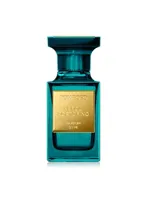
EDP · 2011
Tom Ford
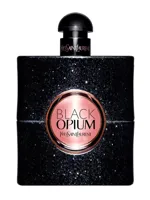
EDP · 2014
Yves Saint Laurent
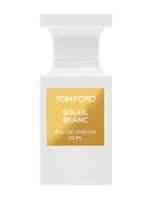
EDP · 2016
Tom Ford
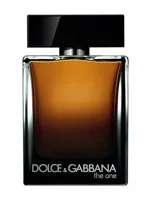
EDP · 2015
Dolce & Gabbana
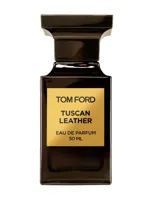
EDP · 2007
Tom Ford
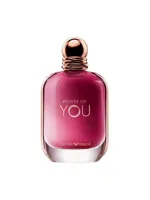
EDP · 2026
Giorgio Armani
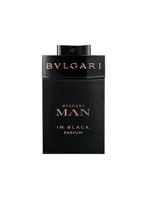
EDP · 2014
Bvlgari
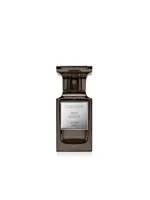
EDP · 2007
Tom Ford
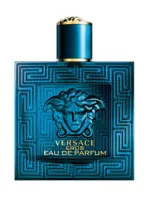
EDP · 2020
Versace
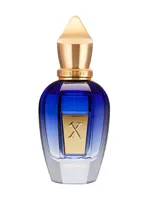
EDP · 2021
Xerjoff
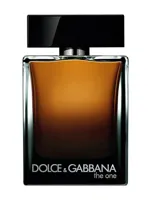
Parfum · 2025
Dolce & Gabbana
Sweet and floral-fruity, recalling bergamot and pear, with a lavender side. It is a principal component of bergamot and lavender oils.
Both. It occurs naturally in bergamot and lavender oils, and natural grades can be isolated from them. Commercial supplies are usually made by reacting linalool with acetic acid or acetic anhydride.
Regulation (EU) 2023/1545 widened the list of fragrance allergens that must be named, and linalyl acetate is on it. Brands must show it once it exceeds 0.001 per cent in leave-on products or 0.01 per cent in rinse-off ones.
New finds, honest verdicts, and price drops.
No spam. Unsubscribe anytime. See our privacy policy.