
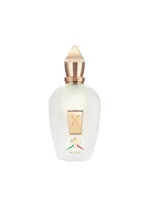
Naxos
EDP · 2015
Xerjoff
Statement
Fragrance allergen
Pinene covers two close relatives, alpha-pinene and beta-pinene, the hydrocarbons behind the smell of pine and turpentine. Both are major parts of turpentine, and alpha-pinene has been reported in more than 400 essential oils. Pinene joined the EU's named fragrance allergen list in the 2023 expansion.
Turpentine oil is a commercial source, holding 58-65% alpha-pinene and about 30% beta-pinene. Both are obtained by distilling turpentine. In nature, alpha-pinene has been reported in more than 400 essential oils, including rosemary, lavender, coriander, cumin and eucalyptus, and Scots pine oil has been recorded with 65.8%. Beta-pinene often occurs alongside it in smaller amounts.
Pine and turpentine. Alpha-pinene is recorded as a characteristic pine odour, and beta-pinene as piney and turpentine-like with a dry, woody or resinous aroma.
As a fragrance ingredient pinene gives a pine, resinous note. It is also a building block: alpha-pinene is used to make perfume bases and synthetic pine oil, and beta-pinene is a chemical intermediate for fragrance materials such as myrcene, geraniol and linalool. Outside perfume it is used for terpene resins and as a flavouring.
Named on 14% of the 6,851 perfume ingredient lists we hold (967 perfumes).
Regulation (EU) 2023/1545 lists Pinene (alpha and beta) with a peroxide value limit of below 10 mmoles/L, because monoterpene sensitising potential rises as they oxidise. From 31 July 2026 non-compliant products may no longer be placed on the EU market, and from 31 July 2028 non-compliant products already on the market may no longer be made available. The SCCS opinion SCCS/1459/11 (2012) places alpha-pinene and beta-pinene in its second band of established contact allergens in humans. One industry source says Great Britain has not adopted the expansion.
A list that does not name it does not prove it is absent: brands only have to name it above the threshold.
Share of the perfumes we hold a list for, in each concentration.
Share of the lists naming Pinene that also name each of these.
EDP · 2015
Xerjoff
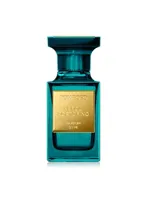
EDP · 2011
Tom Ford
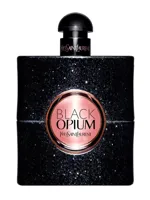
EDP · 2014
Yves Saint Laurent
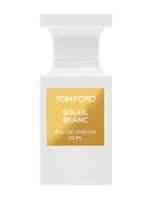
EDP · 2016
Tom Ford
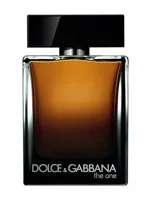
EDP · 2015
Dolce & Gabbana
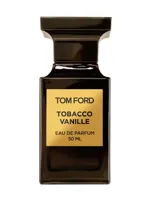
EDP · 2007
Tom Ford
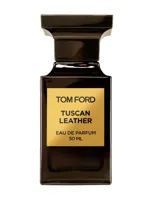
EDP · 2007
Tom Ford
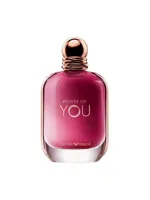
EDP · 2026
Giorgio Armani
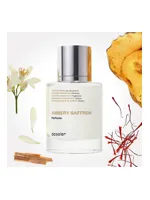
EDP · 2024
Dossier
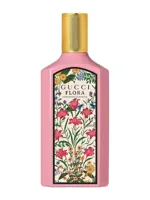
EDP · 2021
Gucci
EDP · 2014
Bvlgari
EDP · 2007
Tom Ford
Pine. Alpha-pinene has a characteristic pine odour, and beta-pinene is described as piney and turpentine-like with a dry, woody or resinous aroma. Both are linked to turpentine.
Pinene occurs naturally: alpha-pinene is reported in more than 400 essential oils. It is also obtained commercially by distilling turpentine oil. It is used to make other fragrance chemicals.
Pinene was added to the EU's list of named fragrance allergens by Regulation (EU) 2023/1545. Above 0.001% in leave-on or 0.01% in rinse-off products it must be listed, with a limit on its peroxide value.
New finds, honest verdicts, and price drops.
No spam. Unsubscribe anytime. See our privacy policy.