
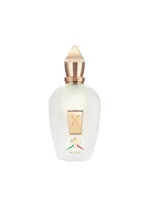
Naxos
EDP · 2015
Xerjoff
Statement
Fragrance allergen
Geranyl acetate is the acetate ester of geraniol, a colourless liquid with a sweet, fruity-rosy smell and a hint of lavender. It occurs in many essential oils. Perfumers use it as a modifier in floral and citrus compositions. It was added to the EU's named-allergen list in 2023.
Geranyl acetate is a natural constituent of more than 60 essential oils, including Ceylon citronella, palmarosa, lemon grass, petit grain, neroli and geranium. It can be obtained by fractional distillation of essential oils. It can also be prepared semi-synthetically by condensing geraniol, the common natural terpene alcohol, with acetic acid.
Sweet, fruity-floral and rosy, somewhat green, with a faint lavender note and moderate tenacity. Suppliers describe a rose and green odour with lavender undertones.
It is used frequently to build flowery-fruity nuances such as rose, and also citrus and lavender notes. It acts as a sweetener and modifier in floral, fruit, herbaceous and citrus fragrance types. One supplier says it is primarily used in rose and tuberose complexes. It is also a flavouring.
Named on 12% of the 6,851 perfume ingredient lists we hold (834 perfumes).
The SCCS opinion SCCS/1459/11 recorded no current regulation for geranyl acetate, and listed it among esters that can be activated by hydrolysis in the skin, alongside isoeugenyl acetate and eugenyl acetate. It was added to the named allergens by Regulation (EU) 2023/1545, with naming required above 0.001% in leave-on and 0.01% in rinse-off products. In ECHA notifications aggregated by PubChem, 77.6% of those giving hazard codes include H317.
A list that does not name it does not prove it is absent: brands only have to name it above the threshold.
Share of the perfumes we hold a list for, in each concentration.
Share of the lists naming Geranyl Acetate that also name each of these.
EDP · 2015
Xerjoff
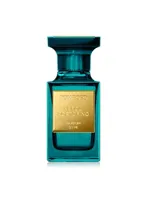
EDP · 2011
Tom Ford
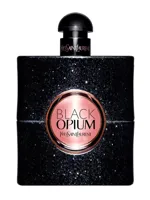
EDP · 2014
Yves Saint Laurent
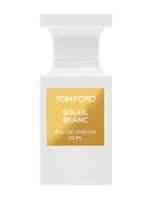
EDP · 2016
Tom Ford
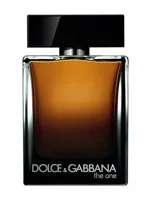
EDP · 2015
Dolce & Gabbana
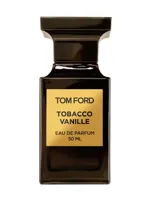
EDP · 2007
Tom Ford
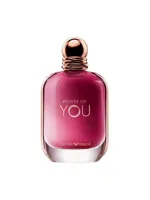
EDP · 2026
Giorgio Armani
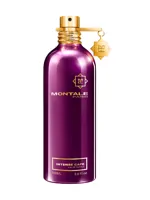
EDP · 2013
Montale
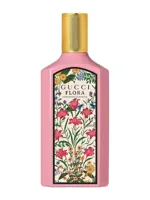
EDP · 2021
Gucci
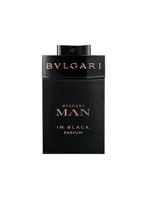
EDP · 2014
Bvlgari
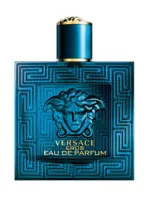
EDP · 2020
Versace
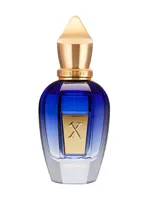
EDP · 2021
Xerjoff
It smells sweet, fruity and floral, close to rose, with some green freshness and a faint lavender-like edge. Suppliers describe a rose and green odour with lavender undertones.
Both. It is a natural constituent of more than 60 essential oils, such as citronella, palmarosa and neroli. It can also be made by combining geraniol with acetic acid, so a supplier's source will vary.
The EU's 2023 update added it to the fragrance substances that must be named in the ingredients when above 0.001% in leave-on or 0.01% in rinse-off products, instead of sitting under Parfum.
New finds, honest verdicts, and price drops.
No spam. Unsubscribe anytime. See our privacy policy.