
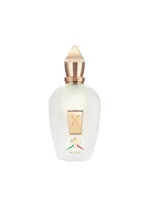
Naxos
EDP · 2015
Xerjoff
Statement
Fragrance allergen
Camphor is a white crystalline solid with a strong, penetrating smell, found in the camphor tree and in several herbs. Camphor is now mainly manufactured from pinene. In perfumery a little adds a cool, fresh, terpenic effect, and it has other industrial uses as well.
Camphor was originally obtained commercially from the camphor tree, Cinnamomum camphora, by steam distillation of the wood and crystallisation. It also occurs in camphorated basil, camphor sage and cardamom oil. Today it is mainly manufactured from pinene, for example from alpha-pinene via camphene and bornyl acetate, then oxidation. It exists as two mirror-image forms, the dextrorotatory one being the more common.
A strong, penetrating, cool camphoraceous smell, slightly minty and herbal. ScenTree notes that smelling it gives the nose a sensation of cold.
ScenTree says camphor is used for a fresh and terpenic effect in all types of composition, and calls it a trigeminal raw material. It is stable in perfumes and functional bases. Outside fragrance it is a plasticiser and chemical intermediate, and an additive in varnishes, cosmetics and flavourings.
Named on 4% of the 6,851 perfume ingredient lists we hold (302 perfumes).
Camphor was added to the EU fragrance allergen labelling list by Regulation (EU) 2023/1545, so it must be named above 0.001% in leave-on or 0.01% in rinse-off products. The transition dates are 31 July 2026 for placing non-compliant products on the EU market and 31 July 2028 for making existing stock available. SCCS/1459/11 lists it among established contact allergens in humans, in the lowest band and marked rarely tested. ScenTree reports no applicable IFRA Standard under the 51st Amendment. Great Britain has not adopted the 2023 expansion, per Oxford Biosciences.
A list that does not name it does not prove it is absent: brands only have to name it above the threshold.
Share of the perfumes we hold a list for, in each concentration.
Share of the lists naming Camphor that also name each of these.
EDP · 2015
Xerjoff
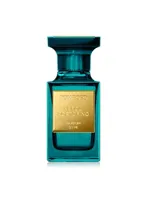
EDP · 2011
Tom Ford
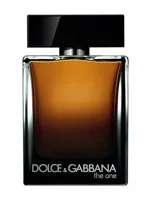
EDP · 2015
Dolce & Gabbana
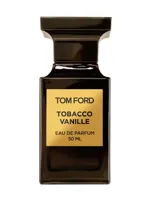
EDP · 2007
Tom Ford
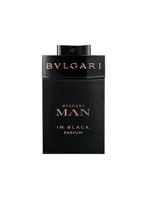
EDP · 2014
Bvlgari
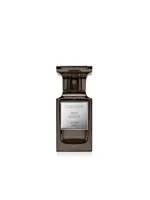
EDP · 2007
Tom Ford
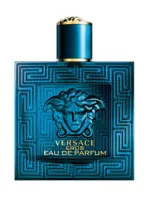
EDP · 2020
Versace
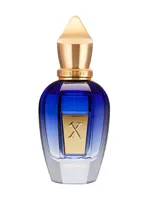
EDP · 2021
Xerjoff
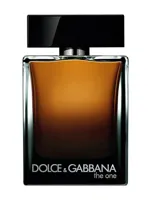
Parfum · 2025
Dolce & Gabbana
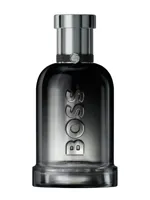
EDT · 2026
Hugo Boss
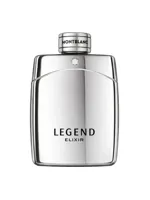
Parfum · 2026
Montblanc
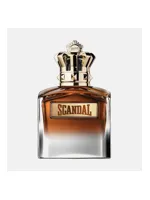
Parfum · 2026
Jean Paul Gaultier
Camphor has a strong, penetrating, camphoraceous smell, a little minty and herbal. ScenTree calls it a trigeminal raw material and notes that smelling it gives the nose a sensation of cold.
Both. Natural camphor comes from steam distillation of camphor-tree wood, followed by crystallisation. Synthetic camphor is usually made from alpha-pinene via camphene and bornyl acetate, then saponification and oxidation.
Camphor is on the EU fragrance allergen labelling list added by Regulation (EU) 2023/1545. Above 0.001% in leave-on or 0.01% in rinse-off products it must be named rather than sitting inside the word parfum. The dates are 31 July 2026 for placing non-compliant products on the EU market and 31 July 2028 for making existing stock available.
New finds, honest verdicts, and price drops.
No spam. Unsubscribe anytime. See our privacy policy.