
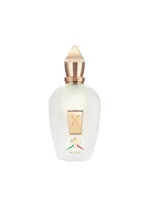
Naxos
EDP · 2015
Xerjoff
Statement
Fragrance allergen
Vanillin is the main flavour and scent compound of the vanilla bean. It is also made synthetically. It smells sweet, creamy and vanilla-like and is used in perfumes, foods and drinks. It was added to the EU list of fragrance allergens that must be named on labels in 2023.
PubChem calls vanillin the primary component of vanilla bean extract. The SCCS also records it in styrax, clove oil, potatoes and wood. Today it can be synthesised from eugenol, guaiacol or lignin, a by-product of paper making. Natural-source vanillin from vanilla beans and clove is also traded.
Sweet, creamy and vanilla-like, with a phenolic edge. Supplier listings add chocolate and caramel shades. Arctander called it one of the most tenacious odours among common perfume materials.
Vanillin brings intense sweetness to perfumes. Arctander said it can be used in almost any type of fragrance, from woody or herbaceous to Oriental or floral, and that it is one of the most tenacious odours among common perfume materials. Synthetic vanillin is also used as a flavouring in foods, beverages and pharmaceuticals.
Named on 11% of the 6,851 perfume ingredient lists we hold (776 perfumes).
Vanillin was added to the EU list of named fragrance allergens by Regulation (EU) 2023/1545. It must be named above 0.001% in leave-on or 0.01% in rinse-off products. From 31 July 2026, products that do not meet the new requirements may no longer be placed on the EU market, and from 31 July 2028 non-compliant products already on the market may no longer be made available. SCCS/1459/11 placed it in the ++ band (11 to 100 reported positive reactions). One industry source says Great Britain has not adopted this expansion (position as at June 2026).
A list that does not name it does not prove it is absent: brands only have to name it above the threshold.
Share of the perfumes we hold a list for, in each concentration.
Share of the lists naming Vanillin that also name each of these.
EDP · 2015
Xerjoff
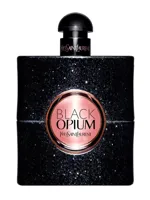
EDP · 2014
Yves Saint Laurent
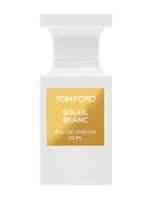
EDP · 2016
Tom Ford
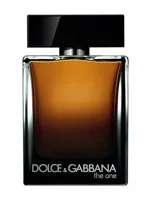
EDP · 2015
Dolce & Gabbana
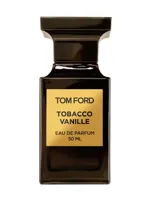
EDP · 2007
Tom Ford
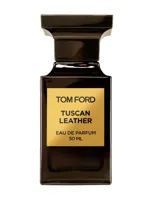
EDP · 2007
Tom Ford
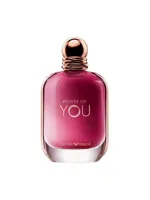
EDP · 2026
Giorgio Armani
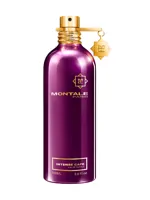
EDP · 2013
Montale
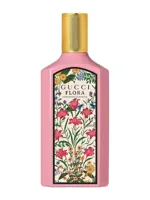
EDP · 2021
Gucci
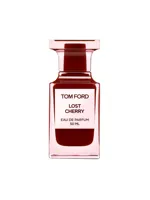
EDP · 2018
Tom Ford
EDP · 2014
Bvlgari
EDP · 2007
Tom Ford
Vanillin smells sweet, creamy and vanilla-like, with a slightly phenolic edge. Supplier descriptions add chocolate and caramel. Arctander noted it is one of the most tenacious odours among common perfume materials.
Both. It is the main component of vanilla bean extract, and the SCCS says it is nowadays synthesised from eugenol, guaiacol and lignin from paper production. Natural-source vanillin is also traded, for example from vanilla beans or clove.
Vanillin was added to the EU's list of named fragrance allergens by Regulation (EU) 2023/1545. It must be declared above 0.001% in leave-on or 0.01% in rinse-off products. The deadlines are 31 July 2026 for placing non-compliant products on the EU market and 31 July 2028 for making existing stock available.
New finds, honest verdicts, and price drops.
No spam. Unsubscribe anytime. See our privacy policy.