
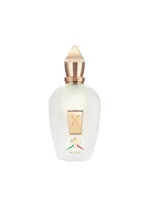
Naxos
EDP · 2015
Xerjoff
Statement
Fragrance allergen
Beta-caryophyllene is a sesquiterpene hydrocarbon with a woody, spicy, clove-like smell, found in many essential oils. For perfumery it is isolated from natural oils such as copaiba and clove. It was added to the EU list of named fragrance allergens by the 2023 regulation, and the SCCS notes that it oxidises readily in air.
Beta-caryophyllene is found in many essential oils, especially clove oil, and also in oregano, rosemary, hops, cinnamon bark and copaiba oleoresin from Brazil. For perfumery it is typically isolated by fractional distillation of copaiba or clove oil. A JECFA specification describes the natural isolate as 80 to 92 per cent beta-caryophyllene with some alpha-humulene.
Dry, woody and spicy with a clove-like warmth. Descriptions include "sweet woody spice clove dry" and "woody-spicy, dry and tenacious", and one reference puts the smell midway between cloves and turpentine. Strength is medium.
In perfumery it gives a dry, woody-peppery body to amber, fougère and aromatic-spicy compositions. One source says it anchors volatile top-note spice materials and extends their perceived duration. It is also used in soaps and detergents, and in spice blends and citrus flavours, especially chewing gum.
Named on 12% of the 6,851 perfume ingredient lists we hold (816 perfumes).
The SCCS opinion SCCS/1459/11 says caryophyllene is readily oxidised but has a low sensitisation potency after autoxidation, and that oxidised caryophyllene was a less frequent allergen in clinical studies than oxidised limonene or linalool. It was added to the EU list of named fragrance allergens by Regulation (EU) 2023/1545. Great Britain has not adopted that expansion, per one industry source.
A list that does not name it does not prove it is absent: brands only have to name it above the threshold.
Share of the perfumes we hold a list for, in each concentration.
Share of the lists naming Beta-Caryophyllene that also name each of these.
EDP · 2015
Xerjoff
EDP · 2011
Tom Ford
EDP · 2014
Yves Saint Laurent
EDP · 2016
Tom Ford
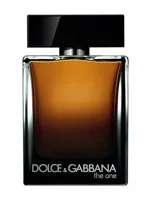
EDP · 2015
Dolce & Gabbana
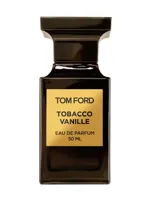
EDP · 2007
Tom Ford
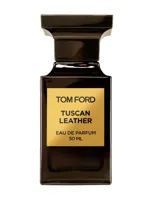
EDP · 2007
Tom Ford

EDP · 2026
Giorgio Armani
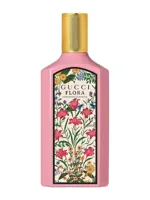
EDP · 2021
Gucci
EDP · 2014
Bvlgari
EDP · 2007
Tom Ford
EDP · 2020
Versace
It smells dry, woody and spicy, with a clove-like warmth. One reference places it between cloves and turpentine. It is the peppery, woody note found in clove oil and in several other spices.
It occurs in many essential oils, especially clove oil, and in oregano, rosemary, hops and cinnamon bark. For perfumery it is typically isolated by fractional distillation of copaiba oil or clove oil.
The 2023 EU regulation added it to the list of fragrance allergens that must be named, above 0.001 per cent in a leave-on product. From 31 July 2026, non-compliant products may no longer be placed on the EU market. From 31 July 2028, non-compliant products already on the market may no longer be made available.
New finds, honest verdicts, and price drops.
No spam. Unsubscribe anytime. See our privacy policy.