
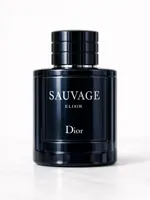
Sauvage Elixir
Parfum · 2021
Dior
Acquired
Fragrance allergen
Cinnamal, also called cinnamaldehyde, is the molecule that gives cinnamon its flavour and smell. It makes up most of cinnamon bark oil and is also produced industrially. It is used in perfumes and flavours, though most of its consumption is in flavours. It is on the EU list of allergens named on labels.
Cinnamal is the main component of Sri Lankan cinnamon bark oil, at about 75 per cent. It has been found in Ceylon, Seychelles and Japanese cinnamon bark and in cassia, and also in oils such as hyacinth, myrrh, Bulgarian rose and patchouli. For industry it can be isolated by fractional distillation of cassia and cinnamon bark oils, or made by condensing benzaldehyde with acetaldehyde.
A strong cinnamon odour with a pungent, spicy note. Chemical records give the taste as both sweet and burning.
Cinnamal is used in perfumes and flavours, but a reference reproduced by PubChem puts over 95 per cent of its consumption in flavour applications. It flavours beverages, chewing gum and dental products. It also has non-fragrance uses, including as a brightener in electroplating and as a fungicide.
Named on 21% of the 6,851 perfume ingredient lists we hold (1,446 perfumes).
Cinnamal was already on the EU's labelled allergen list before 2023, and the SCCS opinion on fragrance allergens lists it among established fragrance contact allergens of special concern. In PubChem's aggregate of 2,854 company reports to the ECHA C&L Inventory, 99.7% of those giving hazard codes include H317, may cause an allergic skin reaction. IFRA's 51st Amendment index lists cinnamic aldehyde, CAS 104-55-2, as a Restriction dated 2020. A Restriction means the material should be used only in the limited quantity stated in the Standard.
A list that does not name it does not prove it is absent: brands only have to name it above the threshold.
Share of the perfumes we hold a list for, in each concentration.
Share of the lists naming Cinnamal that also name each of these.
Parfum · 2021
Dior
EDP · 2011
Dior
EDP · 2023
Valentino
EDP · 2015
Xerjoff
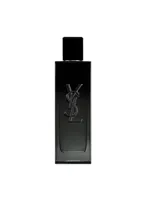
EDP · 2023
Yves Saint Laurent
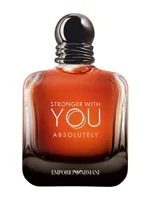
Parfum · 2021
Giorgio Armani
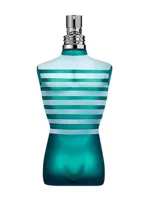
EDT · 1995
Jean Paul Gaultier
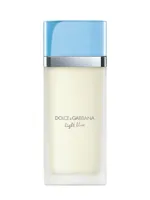
EDT · 2001
Dolce & Gabbana
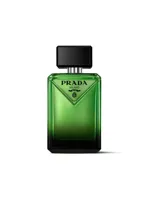
EDP · 2025
Prada
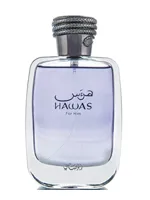
EDP · 2015
Rasasi
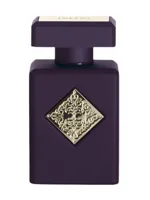
EDP · 2016
Initio Parfums Privés
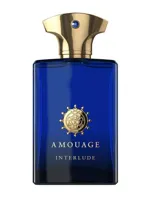
EDP · 2012
Amouage
Cinnamon, strongly. PubChem records a strong odour of cinnamon with a pungent, spicy note. It also says cinnamaldehyde is the aldehyde that gives cinnamon its flavour and odour.
Both exist. It occurs naturally in cinnamon and cassia bark oils and can be isolated from them by distillation. The industrial synthetic route is the base-catalysed condensation of benzaldehyde with acetaldehyde.
EU cosmetics rules name it as a fragrance allergen. It must be listed when present above 0.001% in leave-on or 0.01% in rinse-off products, and it was already on the earlier labelled list, ahead of the 2023 expansion.
New finds, honest verdicts, and price drops.
No spam. Unsubscribe anytime. See our privacy policy.