
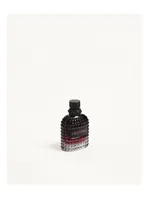
Born In Roma Uomo Intense
EDP · 2023
Valentino
Statement
Fragrance allergen
Hydroxycitronellal is a man-made floral aldehyde whose scent recalls lily of the valley, known in perfumery as muguet. It is made from citronellal and used in floral blends. EU rules require it to be named on cosmetic labels above set concentrations.
Chemically it is citronellal with water added across one double bond, and industry makes it from citronella aldehyde (citronellal). Sources describe it as a synthetic fragrance. A natural-product database reports it in clary sage (Salvia sclarea), but that is a single occurrence report and says nothing about how perfume grades are supplied.
Sweet and floral, mild and delicate at first, resembling lily of the valley. The Good Scents Company lists floral, lily, sweet, green, waxy and a tropical melon facet, at medium odour strength.
Arctander called it one of the most frequently used floralising perfume materials. Originally introduced as a muguet material, he wrote, it finds its way into almost every type of floral fragrance and a great many non-floral ones. He called it almost a 'must' in muguet (at certain price levels) and in peony, lily, sweet pea, narcisse and linden blossom.
Named on 40% of the 6,851 perfume ingredient lists we hold (2,724 perfumes).
Hydroxycitronellal is on the EU list of fragrance allergens that must be named on cosmetic labels. The SCCS opinion SCCS/1459/11 (2012) lists it in Table 13-5, established fragrance contact allergens of special concern. Companies notifying ECHA overwhelmingly report H317, may cause an allergic skin reaction; these are company notifications, not a harmonised classification. IFRA has a Standard that restricts the quantity used. In May 2026 the SCCS published a Commission mandate to assess it again.
A list that does not name it does not prove it is absent: brands only have to name it above the threshold.
Share of the perfumes we hold a list for, in each concentration.
Share of the lists naming Hydroxycitronellal that also name each of these.
EDP · 2023
Valentino
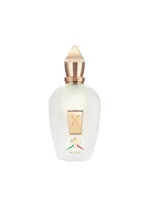
EDP · 2015
Xerjoff
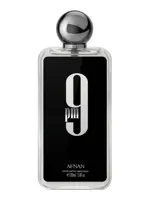
EDP · 2020
Afnan
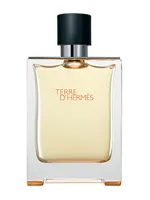
EDT · 2006
Hermès
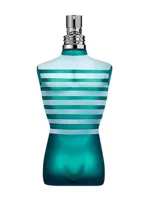
EDT · 1995
Jean Paul Gaultier
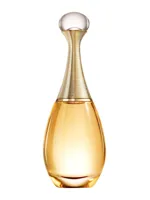
EDP · 1999
Dior
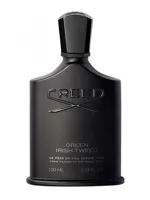
EDP · 1985
Creed
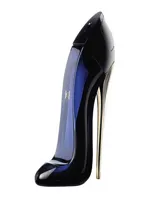
EDP · 2016
Carolina Herrera
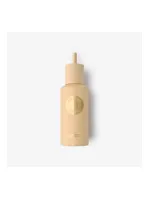
EDP · 2023
Burberry
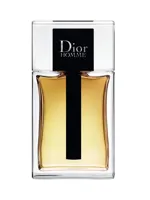
EDT · 2020
Dior
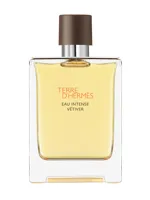
EDP · 2018
Hermès
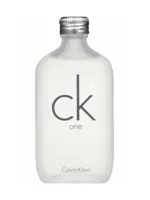
EDT · 1994
Calvin Klein
Lily of the valley. It is a sweet, delicate floral note with green and slightly tropical, melon-like touches. Perfumers use it as a classic muguet material and in other floral accords such as lily, peony and sweet pea.
Sources call it a synthetic fragrance, made industrially from citronellal (citronella aldehyde). One natural-product database lists it in clary sage, but that report does not describe how perfume grades are supplied.
It is one of the fragrance allergens EU cosmetics law lists by name, so it must appear when present above 0.001% in leave-on or 0.01% in rinse-off products. The SCCS listed it as an established contact allergen in 2012.
New finds, honest verdicts, and price drops.
No spam. Unsubscribe anytime. See our privacy policy.