
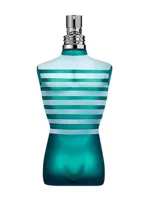
Le Male
EDT · 1995
Jean Paul Gaultier
Acquired
Fragrance allergen
Anise alcohol, also called anisyl alcohol or 4-methoxybenzyl alcohol, is a mild, sweet aromatic alcohol. It has been isolated from vanilla, aniseed oil and some flowers. It is used in floral perfumes such as lilac and gardenia. It is listed as an EU fragrance allergen, with few reported cases in the SCCS review.
The Good Scents Company records anise alcohol as isolated from vanilla, aniseed oil, sweet osmanthus (Osmanthus fragrans) flowers and tarragon (Artemisia dracunculus). PubChem classes the compound, also called 4-methoxybenzyl alcohol, as a benzyl alcohol. The sources I read did not describe how it is made commercially, so no manufacturing route is given here.
A mild, very sweet floral scent. Arctander likened it to lilac and vanilla over a faint, delicate, balsamic background. Other listings call it powdery.
Perfumers use anise alcohol in flower compositions. Arctander found it very useful in lilac, apple blossom, sweet pea, gardenia and jasmine, and gave it good tenacity. It pairs with eugenyl methyl ether for lilac effects. One listing notes its use in flavourings as well as flower perfumes.
Named on 6% of the 6,851 perfume ingredient lists we hold (386 perfumes).
Anise alcohol is listed in Annex III of the EU Cosmetics Regulation, so it is named above 0.001% in leave-on or 0.01% in rinse-off products. The SCCS placed it in its lowest evidence band (+), meaning up to 10 positive test reactions reported, and its 1999 predecessor called it a less frequently reported allergen.
A list that does not name it does not prove it is absent: brands only have to name it above the threshold.
Share of the perfumes we hold a list for, in each concentration.
Share of the lists naming Anise alcohol that also name each of these.
EDT · 1995
Jean Paul Gaultier
EDP · 2023
Burberry
EDP · 2012
Amouage
EDP · 2021
Dior
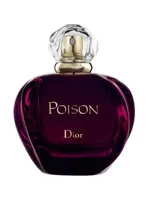
EDT · 1985
Dior
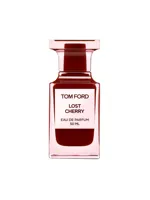
EDP · 2018
Tom Ford
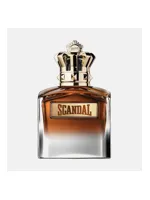
Parfum · 2026
Jean Paul Gaultier
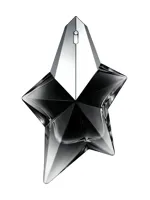
EDP · 2024
Mugler
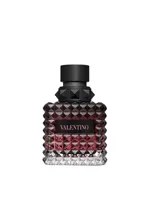
EDP · 2023
Valentino
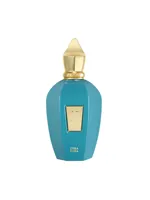
EDP · 2019
Xerjoff
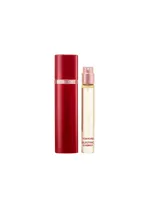
EDP · 2023
Tom Ford
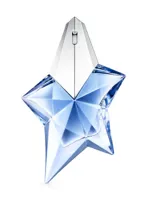
EDP · 1992
Mugler
Anise alcohol has a mild, very sweet floral smell. Arctander compared it to lilac and vanilla with a faint, delicate, balsamic background. Other listings call it powdery.
It has been isolated from natural sources including vanilla, aniseed oil, sweet osmanthus flowers and tarragon. The sources I read did not say how the perfume ingredient is made commercially, so I cannot say which route is used.
EU law requires anise alcohol to be named above 0.001% in leave-on or 0.01% in rinse-off products. The SCCS lists it as an established contact allergen, in its lowest evidence band of up to 10 reported positive reactions.
New finds, honest verdicts, and price drops.
No spam. Unsubscribe anytime. See our privacy policy.