
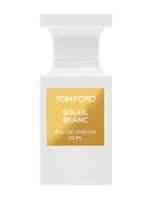
Soleil Blanc
EDP · 2016
Tom Ford
Statement
Fragrance allergen
Hexamethylindanopyran, sold as Galaxolide and known as HHCB, is a synthetic polycyclic musk. It is used in perfumes for a clean, sweet, floral musk that suppliers call persistent, and also in detergents, fabric softeners and household cleaners. It was added to the EU list of named label allergens in 2023.
PubChem describes Galaxolide as a synthetic musk used as a fragrance in cosmetics. The US EPA calls it one of the most common synthetic polycyclic musks. The SCCS lists it under trade names including Abbalide, Galaxolide and Pearlide, and as HHCB. The sources I read did not say how it is manufactured, and none names a natural source.
A strong, diffusive, sweet floral musk. Suppliers describe it as a clean, persistent musk.
Supplier listings describe Galaxolide as a clean, persistent musk. The US EPA lists it in perfumes, cosmetics, shampoos, lotions, detergents, fabric softeners and household cleaners.
Named on 6% of the 6,851 perfume ingredient lists we hold (439 perfumes).
Hexamethylindanopyran was added to the EU list of named fragrance allergens by Regulation (EU) 2023/1545. It must be named above 0.001% in leave-on or 0.01% in rinse-off products. From 31 July 2026, products that do not meet the new requirements may no longer be placed on the EU market, and from 31 July 2028 non-compliant products already on the market may no longer be made available. SCCS/1459/11 placed it in the ++ band (11 to 100 reported positive reactions). One industry source says Great Britain has not adopted this expansion (position as at June 2026).
A list that does not name it does not prove it is absent: brands only have to name it above the threshold.
Share of the perfumes we hold a list for, in each concentration.
Share of the lists naming Synthetic musk that also name each of these.
EDP · 2016
Tom Ford
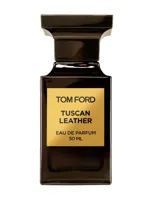
EDP · 2007
Tom Ford
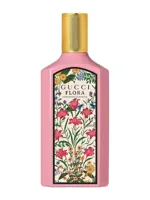
EDP · 2021
Gucci
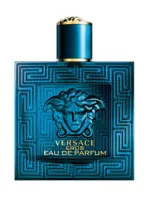
EDP · 2020
Versace
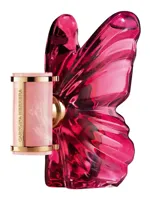
EDP · 2025
Carolina Herrera
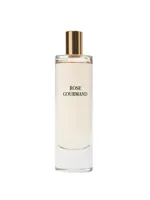
EDP · 2020
Zara
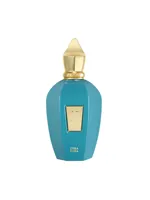
EDP · 2019
Xerjoff
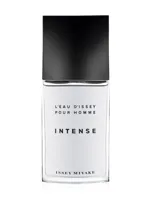
EDT · 2007
Issey Miyake
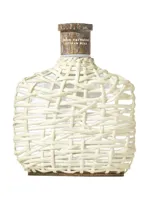
EDT · 2017
John Varvatos
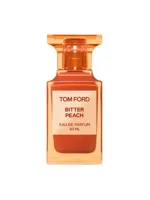
EDP · 2020
Tom Ford
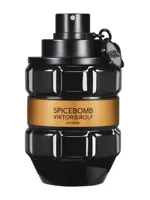
EDP · 2015
Viktor&Rolf
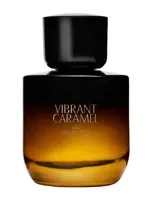
EDP · 2024
Zara
Galaxolide smells like a sweet, floral musk. Listings describe it as strong and diffusive, and suppliers call it a clean, persistent musk.
Galaxolide is synthetic. PubChem describes it as a synthetic musk, and the US EPA calls it one of the most common synthetic polycyclic musks. The material I read names no natural source.
Hexamethylindanopyran is the INCI name for Galaxolide. Regulation (EU) 2023/1545 added it to the named fragrance allergens, so it must be declared above 0.001% in leave-on or 0.01% in rinse-off products.
New finds, honest verdicts, and price drops.
No spam. Unsubscribe anytime. See our privacy policy.