
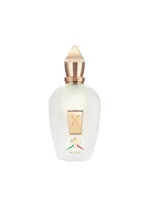
Naxos
EDP · 2015
Xerjoff
Statement
Fragrance allergen
Terpinolene is a pine-scented terpene found in citrus peel, pine, tea tree, parsnip and many other plant oils. It is used in perfumes and soaps and as a solvent for resins. In the EU it is one of the allergens that must be named on a cosmetic label, with a limit on its peroxide value.
Terpinolene is a constituent of many essential oils, with parsnip oil a major source at 40-70%. It also occurs in orange, bergamot and mandarin peel oils, in Scots pine oil and in tea tree oils. It was once extracted by fractional distillation of wood turpentine. PubChem says it is now produced by treating alpha-pinene with aqueous phosphoric acid at 75 degrees Celsius. Limonene can also be isomerised to terpinolene.
Sweet and pine-like. Chemical records describe the odour as sweet and pine, and the aroma as pine-like, with a somewhat sweet citrus character in the taste.
Terpinolene is used as a fragrance in perfumes and soaps and to improve the odour of industrial and household products. Beyond fragrance it serves as a solvent for resins and essential oils, and it is used in making synthetic resins and flavours.
Named on 10% of the 6,851 perfume ingredient lists we hold (681 perfumes).
Terpinolene is on the EU list of fragrance allergens that must be named on cosmetic labels, with a peroxide value limit of below 10 mmoles/L. The SCCS opinion SCCS/1459/11 (2012) has a specific entry for it, which records a peroxide value of less than 10 mmoles/L in substance. PubChem's summary of company notifications to the ECHA inventory includes H317, may cause an allergic skin reaction. These are company notifications, not a harmonised classification.
A list that does not name it does not prove it is absent: brands only have to name it above the threshold.
Share of the perfumes we hold a list for, in each concentration.
Share of the lists naming Terpinolene that also name each of these.
EDP · 2015
Xerjoff
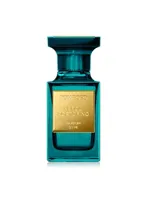
EDP · 2011
Tom Ford
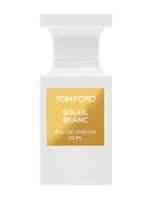
EDP · 2016
Tom Ford
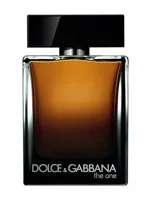
EDP · 2015
Dolce & Gabbana
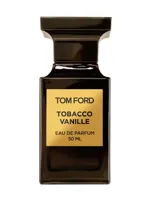
EDP · 2007
Tom Ford
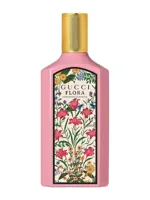
EDP · 2021
Gucci
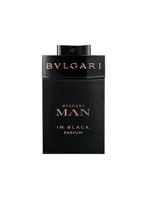
EDP · 2014
Bvlgari
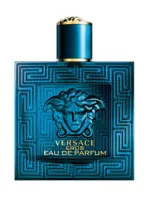
EDP · 2020
Versace
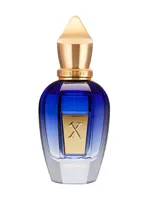
EDP · 2021
Xerjoff
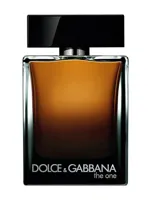
Parfum · 2025
Dolce & Gabbana
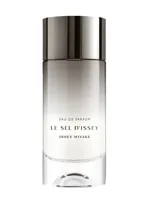
EDP · 2025
Issey Miyake
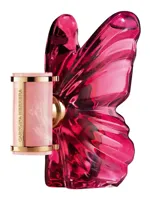
EDP · 2025
Carolina Herrera
Sweet and piney. Chemical records describe its odour as sweet pine and its aroma as pine-like. One record also notes a somewhat sweet, citrus flavour in the taste.
Both. It occurs naturally in citrus peel oils, pine oil, tea tree oils and parsnip oil. One source says it is now produced from alpha-pinene with phosphoric acid rather than extracted from turpentine, and that limonene can also be isomerised to it.
It is on the EU list of fragrance allergens that must be named when present above 0.001% in leave-on or 0.01% in rinse-off products. Its entry also caps how oxidised it can be, through a peroxide value limit.
New finds, honest verdicts, and price drops.
No spam. Unsubscribe anytime. See our privacy policy.