
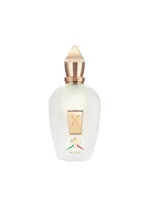
Naxos
EDP · 2015
Xerjoff
Statement
Fragrance allergen
Terpineol is a pine-and-lilac scented alcohol found in a very large number of essential oils. The name covers a mixture of closely related isomers, mainly alpha-terpineol, and it is made commercially from turpentine. Perfumers use it for lilac and floral effects, and it is common in soaps, cleaners and disinfectants.
Alpha-terpineol is reported in over 150 plant species and in oils such as petitgrain, cajuput, pine, lavender and cardamom. It can be isolated from those oils by fractional distillation. Industrially it is often made by hydrating alpha-pinene or turpentine oil with mineral acids to give terpin hydrate, then partly dehydrating that to alpha-terpineol.
Clean and floral like lilac, with a pine-like, woody and citrus side. Good Scents lists pine, terpene, lilac, citrus, woody and floral.
Terpineol is one of the most frequently used fragrance compounds, with its typical lilac odour. It is used in lilac and lily of the valley types, and in apple blossom and fougere perfumes. Its pine-like freshness suits detergents and home care. It is also a starting point for making other fragrance ingredients.
Named on 11% of the 6,851 perfume ingredient lists we hold (773 perfumes).
Terpineol was added to the EU fragrance allergen labelling list by Regulation (EU) 2023/1545, so it must be named above 0.001% in leave-on or 0.01% in rinse-off products. The transition dates are 31 July 2026 for placing non-compliant products on the EU market and 31 July 2028 for making existing stock available. SCCS/1459/11 lists terpineol among established contact allergens in humans, in its lowest reporting band. ScenTree reports no applicable IFRA Standard under the 51st Amendment. Great Britain has not adopted the 2023 expansion, per Oxford Biosciences.
A list that does not name it does not prove it is absent: brands only have to name it above the threshold.
Share of the perfumes we hold a list for, in each concentration.
Share of the lists naming Terpineol that also name each of these.
EDP · 2015
Xerjoff
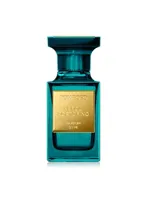
EDP · 2011
Tom Ford
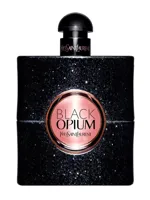
EDP · 2014
Yves Saint Laurent
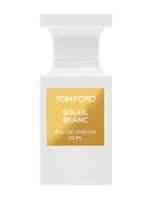
EDP · 2016
Tom Ford
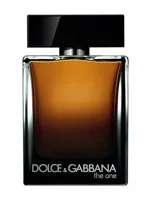
EDP · 2015
Dolce & Gabbana
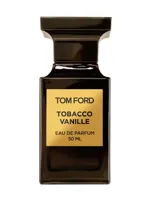
EDP · 2007
Tom Ford
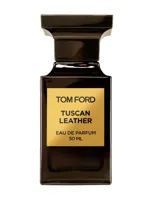
EDP · 2007
Tom Ford

EDP · 2026
Giorgio Armani
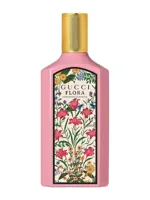
EDP · 2021
Gucci
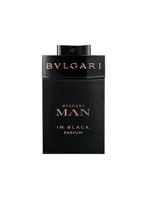
EDP · 2014
Bvlgari
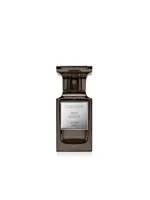
EDP · 2007
Tom Ford
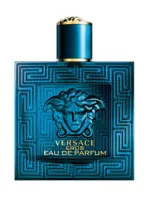
EDP · 2020
Versace
Terpineol smells of lilac, clean and sweet, with a pine-like, woody and citrus side. At low strength in alcohol it reads more pine and resin, with a slight lemon and lime touch and a floral finish.
Both. Terpineol occurs in over 150 plant species and can be isolated from oils such as petitgrain, cajuput and pine. Industrially it is often made from alpha-pinene or turpentine oil by hydration and partial dehydration.
Terpineol is on the EU fragrance allergen labelling list added by Regulation (EU) 2023/1545. It must be named above 0.001% in leave-on or 0.01% in rinse-off products. The dates are 31 July 2026 for placing non-compliant products on the EU market and 31 July 2028 for existing stock.
New finds, honest verdicts, and price drops.
No spam. Unsubscribe anytime. See our privacy policy.