
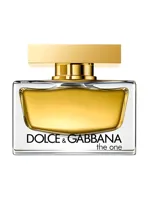
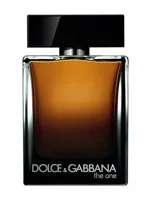
The One
EDP · 2006
Dolce & Gabbana
Favourite
Fragrance allergen
Amyl cinnamal, also sold as jasmine aldehyde, is a pale yellowish liquid with a strong, sweet floral smell that suggests jasmine. It is made by chemical synthesis from benzaldehyde and heptanal. It is used extensively to perfume soap, and it is one of the older fragrance allergens that EU rules name on labels.
Amyl cinnamal is made by aldol condensation of benzaldehyde with n-heptanal, using a catalyst. The Good Scents Company lists natural occurrence only in soybean and black tea. The IFRA Standard document lists a Schiff base of amyl cinnamal with methyl anthranilate, sold as Jasmea or Seringone.
A strong floral smell reminiscent of jasmine, described as sweet, floral, fruity, tropical and green with a powdery nuance. Another description adds oily and herbal tones. Good Scents rates its odour strength as medium.
Amyl cinnamal supplies a jasmine-like floral note. Reference works list its uses simply as perfumery and flavouring, and one notes it is used extensively to perfume soap products. In the EU cosmetic ingredient inventory its listed function is masking. It belongs to a family of alpha-alkyl cinnamaldehydes that includes butyl, hexyl, heptyl and methyl versions.
Named on 6% of the 6,851 perfume ingredient lists we hold (377 perfumes).
The SCCS opinion SCCS/1459/11 puts amyl cinnamal on List A, the fragrance chemicals it judges the most frequently reported, well-recognised consumer allergens. It is one of the ingredients of Fragrance Mix I, a European patch-test screen. IFRA has a Restriction Standard (Amendment 49, 2020) with limits by product category. ECHA notifications summarised by PubChem mostly carry H317.
A list that does not name it does not prove it is absent: brands only have to name it above the threshold.
Share of the perfumes we hold a list for, in each concentration.
Share of the lists naming Amyl cinnamal that also name each of these.
EDP · 2006
Dolce & Gabbana
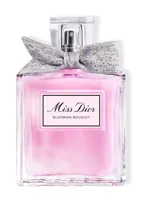
EDT · 2023
Dior
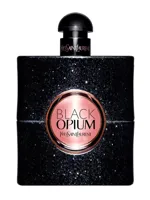
EDP · 2014
Yves Saint Laurent
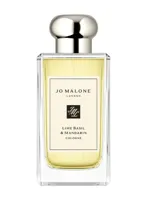
EDC · 1999
Jo Malone London
EDP · 2015
Dolce & Gabbana
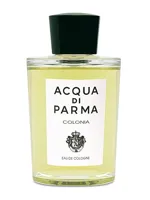
EDC · 1916
Acqua di Parma
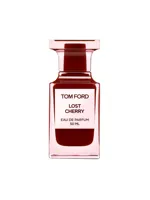
EDP · 2018
Tom Ford
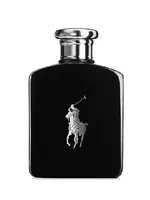
EDT · 2005
Ralph Lauren
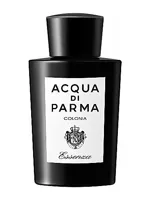
EDC · 2010
Acqua di Parma
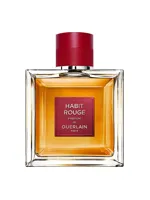
EDT · 1965
Guerlain
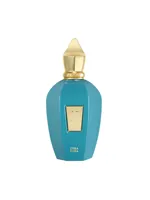
EDP · 2019
Xerjoff

EDP · 1992
Mugler
Yes. Jasmine aldehyde, jasminal and flomine are among the names given as synonyms for amyl cinnamal (alpha-amylcinnamaldehyde, CAS 122-40-7). It is synthesised from benzaldehyde and heptanal.
It smells strongly floral and jasmine-like, with sweet, fruity and slightly green tones and a powdery touch. Good Scents rates its odour strength as medium and lists substantivity of 256 hours for the undiluted material.
It is one of the fragrance allergens the EU has required to be named for many years. When it is present above 0.001 per cent in a leave-on product it must be listed by name, even though the fragrance as a whole is just "parfum".
New finds, honest verdicts, and price drops.
No spam. Unsubscribe anytime. See our privacy policy.