
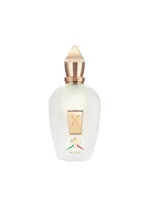
Naxos
EDP · 2015
Xerjoff
Statement
Fragrance allergen
Alpha-terpinene is a monoterpene that smells of lemon and wood, with a herbal, slightly medicinal edge. It is used in flavours and in fragrances to extend citrus effects. The SCCS identifies it as a prehapten, a substance whose sensitising potency rises on air exposure, and it appears in the EU's 2023 allergen update.
Alpha-, beta- and gamma-terpinene are monoterpene isomers that differ in the positions of their two double bonds. Alpha-terpinene is isolated from cardamom and marjoram oils, and the SCCS refers to alpha-terpinene from tea tree oil. Natural occurrence does not show where the material in a particular perfume comes from.
Woody, terpenic and lemony, with herbal, medicinal and citrus facets. Perfumery sources also describe it as sharp and juicy, with camphoraceous and thymol notes.
It is widely used in flavour and fragrance work to reconstitute and extend citrus oils, according to one supplier. It is also listed as a flavouring agent and as a component of a terpenoid blend used as a crop insecticide. Suppliers further mention pharmaceutical and electronics manufacturing uses.
Named on 7% of the 6,851 perfume ingredient lists we hold (488 perfumes).
The SCCS opinion SCCS/1459/11 lists alpha-terpinene as a prehapten, whose sensitising potency can rise on air exposure through oxidation, and as an established prohapten, activated by metabolism. A regulatory summary of Regulation (EU) 2023/1545 includes it among the new or amended Annex III entries and says the 0.001% leave-on and 0.01% rinse-off naming thresholds apply to that list. A reference table gives a peroxide value limit of below 10 mmoles/L for it. Among company reports summarised by PubChem that give hazard codes, 16.1% include 'may cause an allergic skin reaction'.
A list that does not name it does not prove it is absent: brands only have to name it above the threshold.
Share of the perfumes we hold a list for, in each concentration.
Share of the lists naming Alpha-Terpinene that also name each of these.
EDP · 2015
Xerjoff
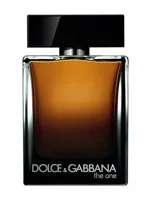
EDP · 2015
Dolce & Gabbana

EDP · 2026
Giorgio Armani
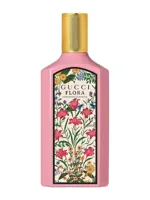
EDP · 2021
Gucci
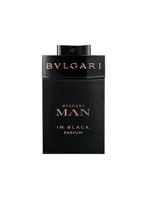
EDP · 2014
Bvlgari
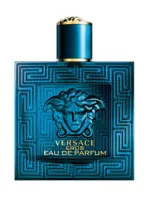
EDP · 2020
Versace
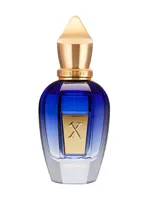
EDP · 2021
Xerjoff
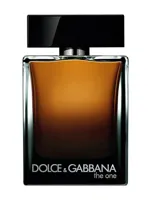
Parfum · 2025
Dolce & Gabbana
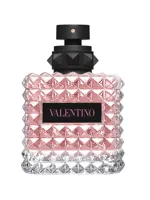
EDP · 2019
Valentino
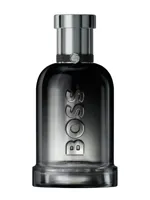
EDT · 2026
Hugo Boss
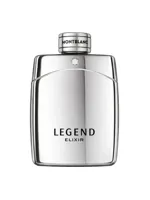
Parfum · 2026
Montblanc
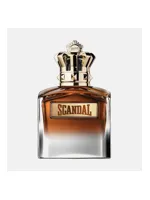
Parfum · 2026
Jean Paul Gaultier
It smells of lemon and wood, with herbal and slightly medicinal sides. Descriptions range from refreshingly herbaceous-citrusy to sharp and terpenic. They also mention camphoraceous and thymol notes.
It occurs in plants: it is isolated from cardamom and marjoram oils and is present in tea tree oil. Natural occurrence does not show where the alpha-terpinene in a given perfume comes from.
A regulatory summary of Regulation (EU) 2023/1545 includes it in the list of Annex III entries, with thresholds of 0.001% in leave-on and 0.01% in rinse-off products. The same page says prehaptens and prohaptens, which can turn into known contact allergens, are treated like fragrance allergens.
New finds, honest verdicts, and price drops.
No spam. Unsubscribe anytime. See our privacy policy.