
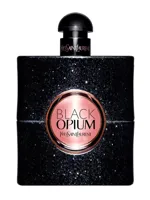
Black Opium
EDP · 2014
Yves Saint Laurent
Acquired
Fragrance allergen
Benzaldehyde is the simplest aromatic aldehyde and the smell of bitter almond. It occurs in over 100 plant species and is made on a large scale from toluene. It is used as an odorant and flavouring and as a chemical intermediate. The EU added it to the named fragrance allergen list in 2023.
Benzaldehyde has been detected in over 100 plant species and is a major constituent of cranberry aroma. Free benzaldehyde is reported in hyacinth, citronella, orris, cinnamon, sassafras, labdanum and patchouli oils. Most of the world's synthetic supply comes from air oxidation of toluene, and some is made by alkaline hydrolysis of benzal chloride.
The classic bitter almond smell. Chemical records describe it as the characteristic odour of almond oil and an odour resembling bitter almond oil.
Benzaldehyde has a role as a flavouring agent and a fragrance, and is used as an odorant and flavouring chemical. Its single largest use is making benzyl alcohol by hydrogenation. A cosmetics review reported a top use level of 0.5% in perfumes.
Named on 4% of the 6,851 perfume ingredient lists we hold (274 perfumes).
Benzaldehyde is among the allergens added to the EU labelled list by Regulation (EU) 2023/1545. From 31 July 2026 non-compliant products may no longer be placed on the EU market, and from 31 July 2028 non-compliant products already on the market may no longer be made available. The SCCS opinion SCCS/1459/11 (2012) places it in its lowest band of established contact allergens in humans. IFRA gives 0.25% for fine fragrances. One industry source says Great Britain has not adopted the expansion (position as at June 2026).
A list that does not name it does not prove it is absent: brands only have to name it above the threshold.
Share of the perfumes we hold a list for, in each concentration.
Share of the lists naming Bitter almond that also name each of these.
EDP · 2014
Yves Saint Laurent
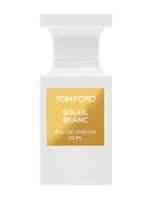
EDP · 2016
Tom Ford
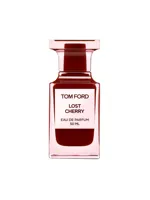
EDP · 2018
Tom Ford
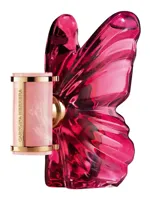
EDP · 2025
Carolina Herrera
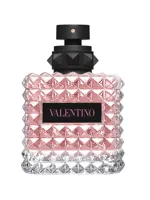
EDP · 2019
Valentino
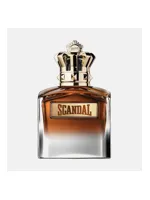
Parfum · 2026
Jean Paul Gaultier
Body Spray · 2026
Lancôme
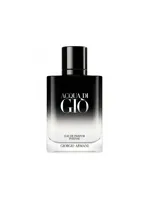
EDP · 2026
Giorgio Armani
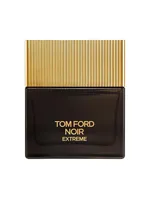
EDP · 2015
Tom Ford
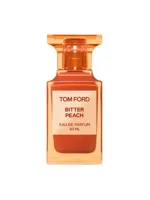
EDP · 2020
Tom Ford
EDP · 2023
Tom Ford

EDP · 2025
Carolina Herrera
Bitter almond. Chemical records describe a characteristic odour of almond oil and an odour resembling oil of bitter almond. It is also used as an odorant and flavouring chemical.
Both. It occurs in over 100 plant species, including cranberry, and in oils such as hyacinth and patchouli. Synthetic benzaldehyde is made mainly by air oxidation of toluene; alkaline hydrolysis of benzal chloride is another reported route.
Regulation (EU) 2023/1545 added it to the list of fragrance allergens that must be named when present above 0.001% in leave-on or 0.01% in rinse-off products. The SCCS 2012 opinion also lists it among established contact allergens in humans.
New finds, honest verdicts, and price drops.
No spam. Unsubscribe anytime. See our privacy policy.