
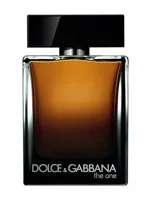
The One for Men
EDP · 2015
Dolce & Gabbana
Statement
Fragrance allergen
Isoeugenyl acetate is the acetate ester of isoeugenol, a white crystalline material with a sweet, spicy, powdery carnation scent. Its listed cosmetic function is perfuming. The EU added it to its list of named fragrance allergens in 2023.
PubChem records isoeugenyl acetate as reported in Valeriana officinalis and Foeniculum vulgare. Oxford Biosciences describes it as the acetate of isoeugenol, and JECFA describes it as white crystals with a spicy, clove-like aroma.
Sweet, spicy and powdery, with floral carnation and balsamic tones. The Good Scents Company lists sweet, spicy, powdery, floral, carnation and balsam. JECFA describes a spicy, clove-like aroma.
Its listed odour carries carnation and spice notes: Tadimety Aromatics describes it as sweet, fruity and balsamic with carnation notes. The SCCS cites a study that found high levels of it in several eau de parfum, eau de toilette and aftershave lotions. Its listed cosmetic function is perfuming.
Named on 3% of the 6,851 perfume ingredient lists we hold (181 perfumes).
IFRA's index lists a Restriction standard for isoeugenyl acetate, published in 2023. The SCCS says enzymes in the skin break it down to give isoeugenol. Regulation (EU) 2023/1545 added it to the labelled allergen list. One industry source says Great Britain has not adopted this expansion.
A list that does not name it does not prove it is absent: brands only have to name it above the threshold.
Share of the perfumes we hold a list for, in each concentration.
Share of the lists naming Isoeugenyl Acetate that also name each of these.
EDP · 2015
Dolce & Gabbana
Parfum · 2025
Dolce & Gabbana
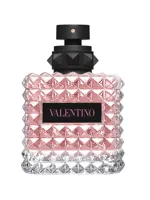
EDP · 2019
Valentino
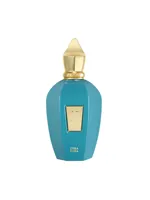
EDP · 2019
Xerjoff

EDP · 2025
Carolina Herrera
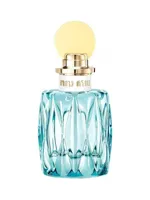
EDP · 2016
Miu Miu
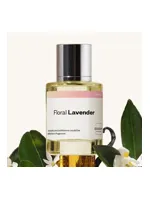
EDP · 2020
Dossier
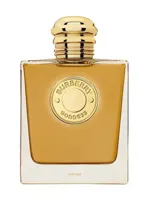
Parfum · 2025
Burberry
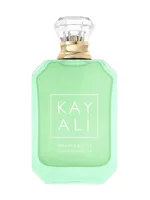
EDP · 2024
Kayali
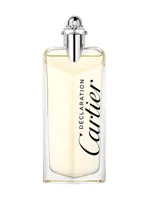
EDT · 1998
Cartier
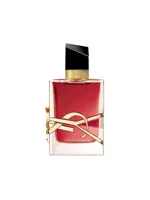
EDP · 2025
Yves Saint Laurent
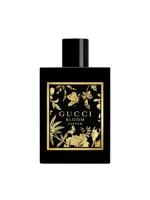
Parfum · 2025
Gucci
Sweet, spicy and powdery with floral carnation and balsamic tones. JECFA describes a spicy, clove-like aroma, and The Good Scents Company lists carnation among the descriptors.
It is the acetate ester of isoeugenol. The SCCS says enzymes in the skin break isoeugenyl acetate down to give isoeugenol, so it treats the two as related.
Regulation (EU) 2023/1545 added it to the list of fragrance allergens that must be named. It is listed above 0.001% in leave-on or 0.01% in rinse-off products.
New finds, honest verdicts, and price drops.
No spam. Unsubscribe anytime. See our privacy policy.