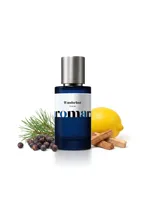
Wanderlust
Extrait
Aromara
Statement
Note Profile
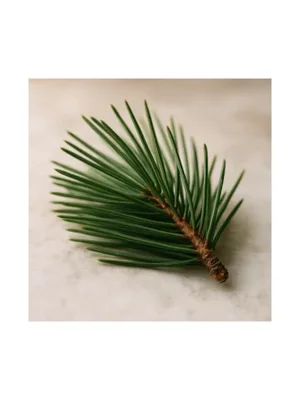
Pine Needles
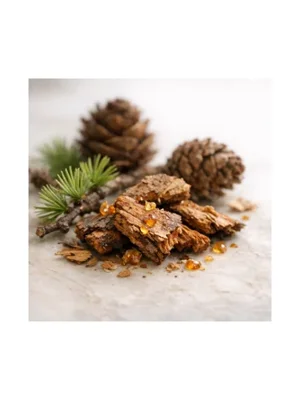
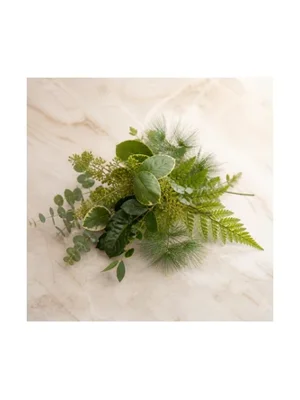
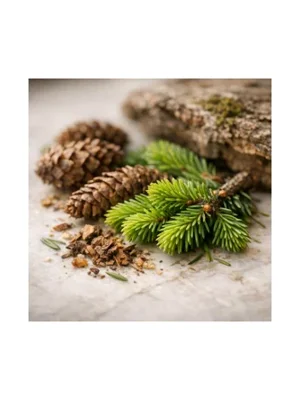
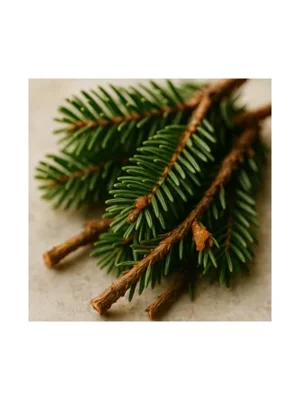
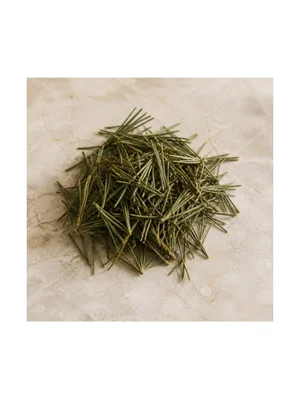
Pine Needle is the fresh, green and resinous scent derived from the needles of pine trees. In perfumery it evokes conifer forests, crisp air and clean, outdoorsy freshness, with facets that are slightly woody, balsamic and terpenic. It is often used to bring a vivid, natural pine character to aromatic, fougere and outdoor-inspired compositions.
The olfactory profile of pine needle is bright, coniferous and invigorating, combining sharp green top notes with resinous, balsamic and subtly woody undertones. It often has cool, camphoraceous and slightly terpenic facets that suggest icy mountain air or fresh pine forests rather than heavy wood or tar. As it dries down, the initial piercing freshness softens into a more rounded, gently woody-green accord that can feel both clean and natural. A bright citrus zest lifts the top, sharp and peel-like.
Read off the wheel, not a label applied to the note.
Tap a perfume to see where Pine Needle sits in it. The rest of the picture goes grey
Perfumers can make Pine Needle from this natural extract.
Smell words come from published sources.
Allergens perfumes with this note can list: Pinene
A given perfume with this note may use some of these, or something else, and may or may not contain the allergens above.
Pine needle as a perfumery ingredient is typically derived from the needles of various Pinus species, such as Pinus sylvestris (Scots pine), through steam distillation. The resulting essential oil contains monoterpenes like alpha- and beta-pinene, which are largely responsible for its characteristic aroma. In addition to essential oils and absolutes, perfumers may use synthetic or blended pine needle bases, like those sold by specialised suppliers, to achieve consistent, stable pine needle effects in formulations.
Perfumers use pine needle primarily as a top to early heart note to introduce vivid green freshness, foresty air and a clean, outdoorsy character. It is commonly combined with citrus notes, aromatic herbs, eucalyptus, incense and woods to build fougere, chypre and woody-aromatic structures, as well as in bath and body products that emphasise a fresh or alpine theme. Pine needle materials must be dosed with care, as their sharp terpenic facets can dominate, so they are often tempered with softer woods, mosses or musks to create a balanced composition.
Perfumers known for using Pine Needle include
Nicholas Nilsson, and Prin Lomros
A selection of reviewed perfumes where Pine Needle appears prominently.
Extrait
Aromara
EDP · 2023
Ramon Monegal
Oil
Oil Perfumery
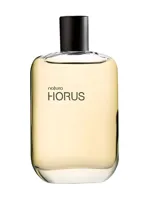
EDC · 1984
Natura
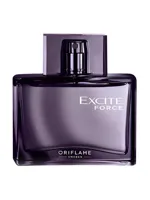
EDT · 2015
Oriflame
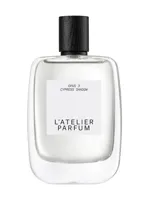
EDP · 2023
L'Atelier Parfum
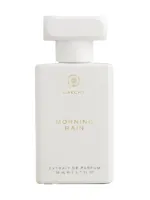
Extrait
Oakcha
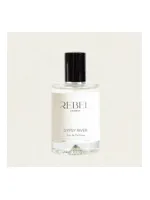
EDP
Rebel Aromas
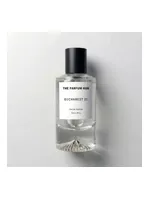
EDP
The Parfum Hub
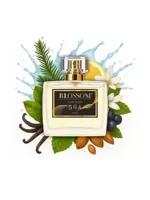
EDP
Blossom Perfumery
New finds, honest verdicts, and price drops.
No spam. Unsubscribe anytime. See our privacy policy.