Elm names no single substance
ReconstructedNot extracted.
Note Profile
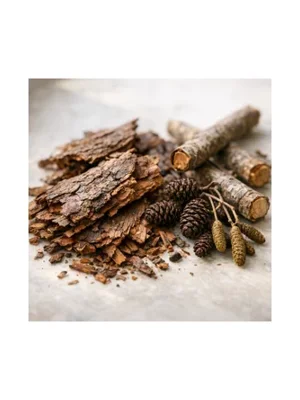
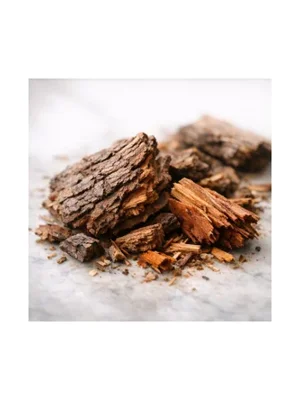
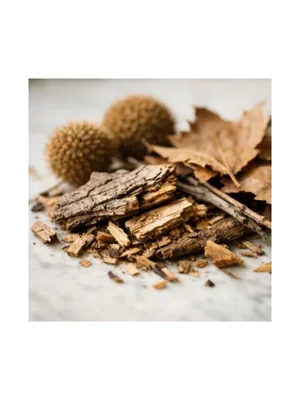
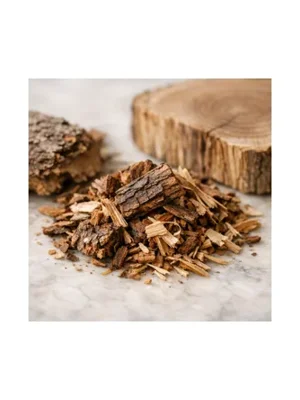
Elm is a synthetic accord for the wood of elm trees, which grow in temperate parts of the Northern Hemisphere. Real elm gives little oil, so the scent is built from woody, green and earthy aroma chemicals. It smells mild, smooth and woody, with green and slightly earthy touches. It is lighter than oak or cedar and stays soft and clean, with no strong resin or smoke.
Elm wood presents a mild, smooth woody aroma with subtle green and slightly earthy undertones. Its scent is less intense than oak or cedar, offering a gentle, natural woodiness that can evoke damp forest and fresh-cut timber nuances. Over time, it maintains a soft, clean character without pronounced resinous or smoky facets.
Read off the wheel, not a label applied to the note.
Not extracted.
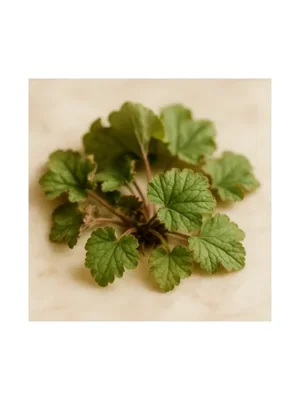
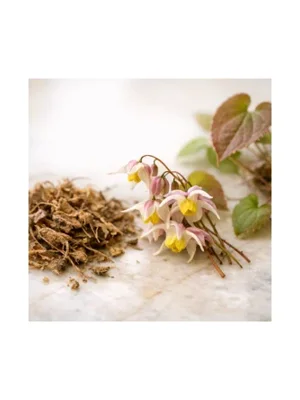
Elm note in perfumery is typically recreated through synthetic accords, as natural elm wood is rarely distilled for essential oil due to its low oil yield. The scent is constructed using a blend of woody, green, and earthy aroma chemicals to evoke the impression of elm. Elm trees are native to temperate regions of the Northern Hemisphere.
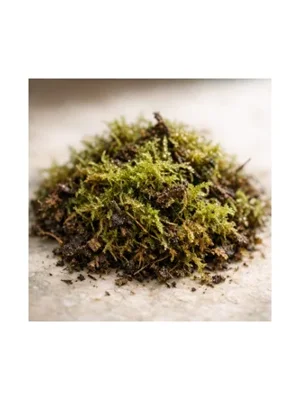
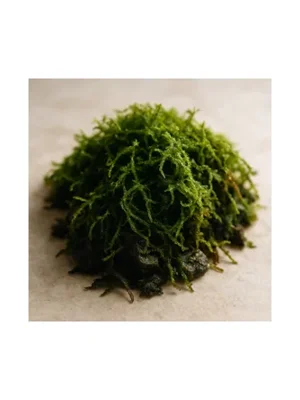
Perfumers use elm accords primarily in the heart or base of woody and fougère compositions to impart a naturalistic, understated woodiness. It blends well with moss, vetiver, cedar, and light florals, adding depth without overpowering other notes. Elm can provide a refined, forest-like backdrop in both masculine and unisex fragrances.
Perfumers known for using Elm include
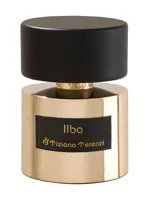
Paolo Terenzi
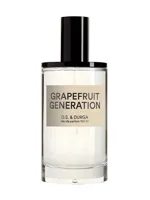
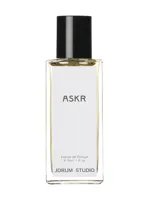
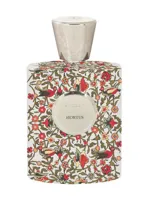
A selection of reviewed perfumes where Elm appears prominently.
New finds, honest verdicts, and price drops.
No spam. Unsubscribe anytime. See our privacy policy.