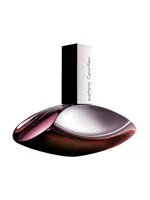
Euphoria
EDP · 2005
Calvin Klein
Also EDT
Statement
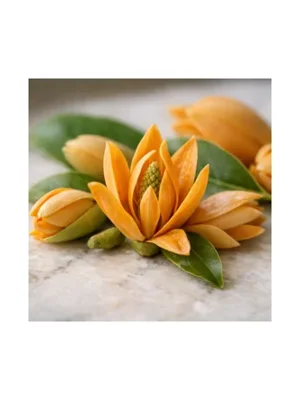
Note profile
Rich, fruity-sweet orange floral from Magnolia family
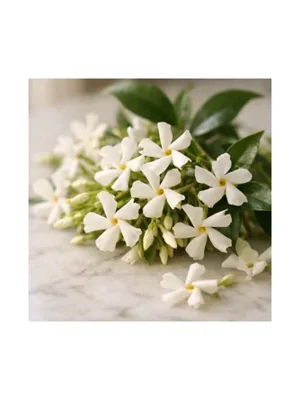
Champaca opens on grape skin, the methyl anthranilate note both glossaries lead with. Under it is a rich, heady white floral heart, indolic enough to read as animalic. Ylang-like tropical creaminess and a violet-powdery ionone dryness sit beneath that, with a tea-dry edge in the top. The texture is oily and waxy throughout, and the methyl linoleate fraction persists as a soft oily haze long after the grape skin has gone. It is sweeter and more complex than magnolia, and drier than tuberose.
Read off the wheel, not a label applied to the note.
Tap a perfume to see where Champaca sits in it. The rest of the picture goes grey

Perfumers can make Champaca from this natural extract.
Smell words come from published sources.
A given perfume with this note may use this material, or something else.
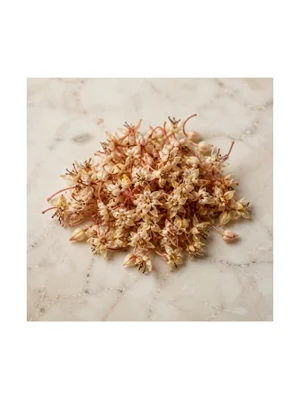
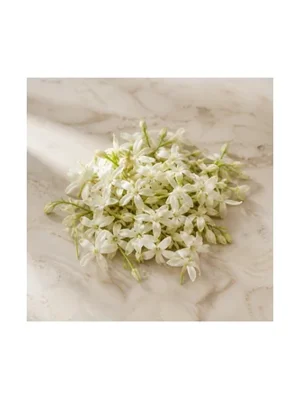
Champaca is derived from the flowers of Magnolia champaca, native to South and Southeast Asia. The essential oil is typically obtained through steam distillation of the fresh blossoms, which are harvested by hand due to their delicate nature.
Perfumers use champaca primarily in the heart of floral compositions, where it imparts depth and exotic nuance. It blends well with other white florals, sandalwood, and tea notes. Its distinctive profile can serve as a signature element or a luxurious accent.
Perfumers known for using Champaca include
Prin Lomros, Teone Reinthal, Dmitry Bortnikoff, Abby Hinsman, Adill Ali, and JoAnne Bassett
A selection of reviewed perfumes where Champaca appears prominently.
EDP · 2005
Calvin Klein
Also EDT
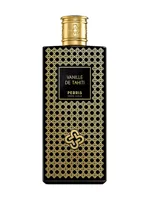
EDP · 2020
Perris Monte Carlo
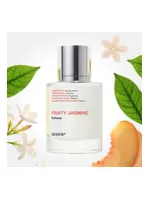
EDP
Dossier
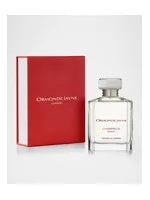
EDP · 2002
Ormonde Jayne
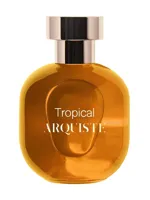
EDP · 2025
Arquiste
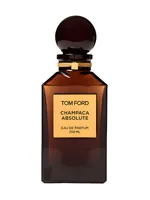
EDP · 2009
Tom Ford
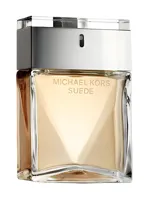
EDP · 2012
Michael Kors

EDP · 2014
Bond No. 9
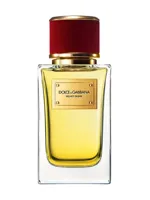
EDP · 2011
Dolce & Gabbana
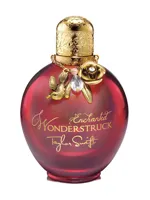
EDP · 2012
Taylor Swift
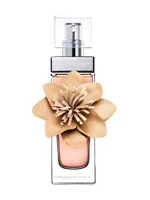
EDP · 2011
Banana Republic
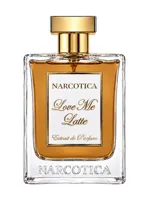
Extrait · 2024
Narcotica
Get the verdict in your inbox
New finds, honest verdicts, and price drops.
No spam. Unsubscribe anytime. See our privacy policy.
Are you sure?