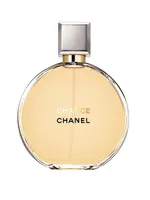
Chance
EDP
Chanel
Also EDT
Statement

French fragrance signatures shaped by Gabrielle Chanel’s original vision
All 102 Chanel perfumes on ScentVerdict have a verdict. 71 are Favourites, 25 are Statements and 6 are Acquired. A typical one lasts about 4 to 6 hours on skin. Each verdict sorts a perfume by character, using the same measures for every house, whatever it costs or who makes it.
The best-known Chanel perfumes are Chance, N°5 and Chanel No 5.
Favourite - An approachable, versatile choice for everyday wear · Statement - A deliberate choice for its distinctive character, noticeable presence or particular setting · Acquired - A specialist choice whose character or wearing demands reward knowing your taste
EDP
Chanel
Also EDT
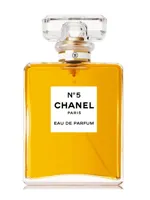
EDP
Chanel
EDT
Chanel
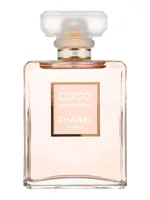
EDP
Chanel
Also EDT, Parfum
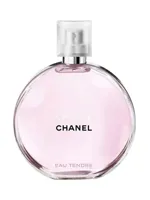
EDP
Chanel
Also EDT
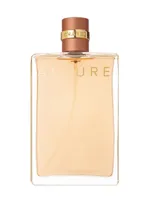
EDP
Chanel
Also EDT
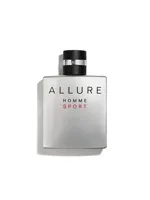
EDT
Chanel
Also EDC
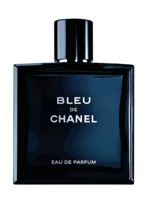
EDP
Chanel
Also EDT, Parfum
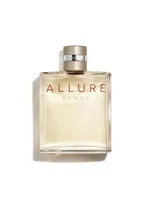
EDT
Chanel
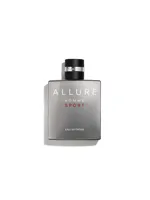
EDP
Chanel
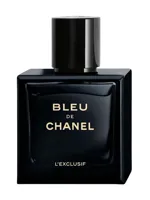
Extrait
Chanel
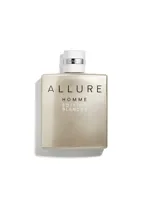
EDP
Chanel
Also EDT
Gabrielle Chanel opened a hat shop on rue Cambon in Paris in 1910, laying the foundation for a house that would reshape French fashion. In 1921, she worked with perfumer Ernest Beaux to introduce N°5, the first Chanel perfume. Its name, composition and presentation marked a new direction in perfumery. The Société des Parfums Chanel followed in 1924, with Beaux becoming the house's first in-house perfume designer.
Chanel's fragrance catalogue has since grown into an extensive family of distinct lines, including N°5, Coco, Coco Mademoiselle, Chance, Bleu de Chanel and Les Exclusifs. The range spans floral and aldehydic classics, bright citrus, polished woods, aromatic compositions and deeper ambery styles. Rather than a single house accord, the collections offer different ideas held together by precise structure and a strong sense of form. N°5 remains a landmark in the history of the house, while later lines express Chanel through varied levels of freshness, softness and intensity.
The fragrance identity stays closely connected to Gabrielle Chanel's original partnership with Ernest Beaux and to the role perfume played in the house from its early years. The catalogue carries that heritage into both enduring signatures and contemporary interpretations. Across its many styles, Chanel favours composed development, refined contrasts and a polished finish, giving its perfumes a recognisable place within the wider language of French luxury.
A designer, luxury house known for floral compositions.
Chanel entered perfumery with N°5 in 1921 and established the Société des Parfums in 1924. Its range has since expanded into numerous signature lines, keeping early floral and aldehydic styles alongside fresh, woody and ambery compositions.
A broad luxury fragrance house built around historical signatures, composed structure and distinct collection identities.
Get the verdict in your inbox
New finds, honest verdicts, and price drops.
No spam. Unsubscribe anytime. See our privacy policy.
Are you sure?