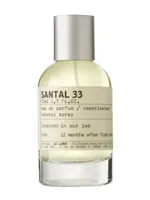
Santal 33
EDP · 2011
Le Labo
Acquired
Catalogue
Every perfume marketed to everyone from niche and independent houses, each with a verdict on how it smells, how long it lasts and what it costs.
Showing 1-20 of 21,694 perfumes
EDP · 2011
Le Labo
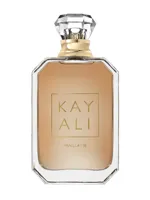
EDP · 2018
Kayali
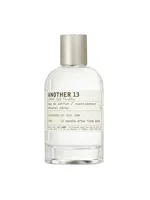
EDP · 2010
Le Labo
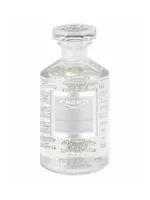
EDP · 1995
Creed
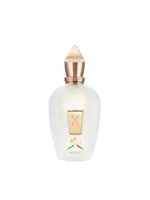
EDP · 2015
Xerjoff
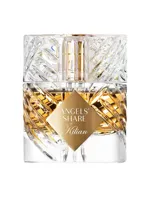
EDP · 2020
Kilian
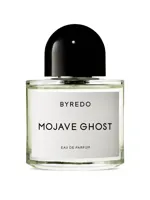
EDP · 2014
Byredo
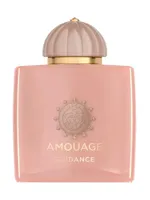
EDP · 2023
Amouage
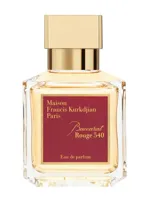
EDP · 2015
Maison Francis Kurkdjian
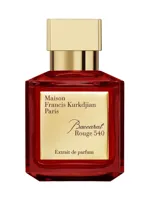
Extrait · 2017
Maison Francis Kurkdjian
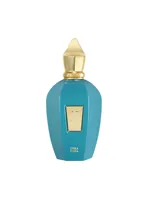
EDP · 2019
Xerjoff
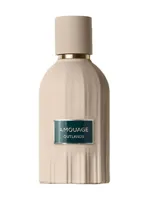
EDP · 2024
Amouage
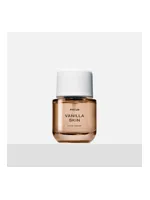
EDP · 2024
Phlur
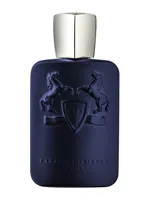
EDP · 2016
Parfums de Marly
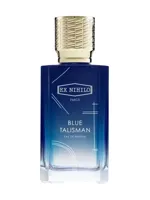
EDP · 2023
Ex Nihilo
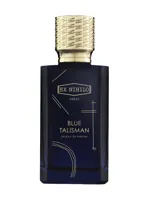
Extrait · 2025
Ex Nihilo
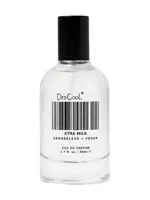
EDP · 2022
DedCool
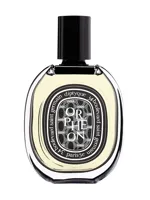
EDP · 2021
Diptyque
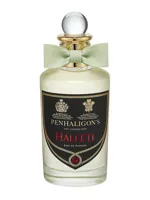
EDP · 2015
Penhaligon's
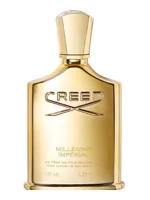
EDP · 1995
Creed
Niche began as the alternative to mass production: smaller houses, more selective shops and a narrower audience. The critic Luca Turin calls L'Artisan Parfumeur, founded in Paris in 1976, the first niche firm. Frédéric Malle took the idea further by putting the perfumer's name on the bottle, when most perfumers still worked unseen in their labs, as The Perfume Society tells it.
Indie lines sit a step further out: usually owned and run by the perfumer, and free to bottle scents the big commercial houses leave alone. For a perfumer the draw is room to experiment, away from the marketers and focus groups that Malle set out to escape.
Niche describes how a house makes and sells perfume, not how good a bottle is. Since the 2010s large groups have bought many niche houses, Estée Lauder among them with Frédéric Malle and Le Labo, and plenty now sit beside designer names in department stores. Malle himself worries that some very bad perfumes now arrive under the label.
A high price proves nothing either: one perfume writer told The Observer that good perfume does not have to be expensive. That is why every perfume here carries a verdict on how it smells, how long it lasts and what it costs, so you can judge the bottle rather than the label.
These perfumes were marketed to everyone, and that label is marketing too. The Guardian's beauty columnist has written that nothing in a scent decides who it is for, and that cues such as spice, smoke, wood and leather are learned. Many niche houses never assign a gender at all, so this list is long.
Designer perfume comes from fashion houses and is made for wide distribution. Niche perfume comes from smaller houses that sell more selectively to a narrower audience and give perfumers more room to experiment. The line has blurred since large groups began buying niche houses, so judge each perfume on how it smells and wears.
Not by definition. Niche describes how a house works and sells, not the quality of a bottle, and Frédéric Malle, one of the names behind the category, worries that some very bad perfumes now carry the label. Price is no guarantee either. Read the verdict on each perfume for how it smells, how long it lasts and what it costs.
Yes. Unisex means a perfume was marketed to everyone, and the label says nothing about who may wear it. The Guardian's beauty columnist has written that cues such as wood, smoke and leather are learned rather than built into a scent, and many niche houses never assign a gender at all.
Get the verdict in your inbox
New finds, honest verdicts, and price drops.
No spam. Unsubscribe anytime. See our privacy policy.
Are you sure?