
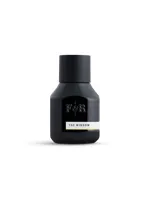
The Window
Extrait · 2025
Fulton & Roark
Statement
Note profile
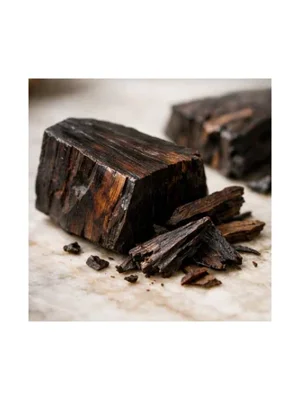
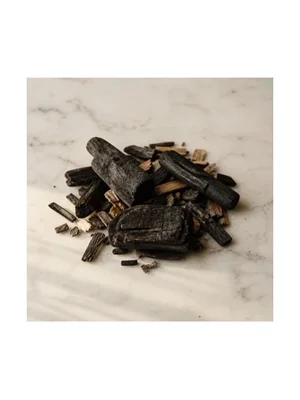
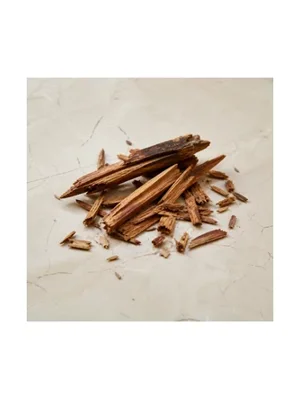
A dense, dry woody note built as an accord rather than distilled from one tree. It reads as hard, mineral heartwood with a tarry smoke edge and almost no sweetness.
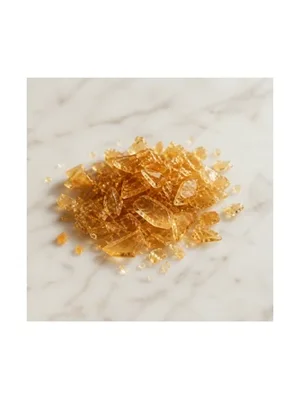
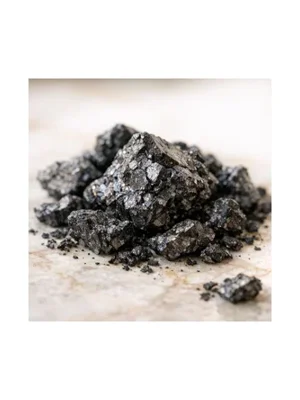
Ironwood smells dense and dry, hard mineral heartwood rather than a soft or sweet wood. A stony, dusty mineral edge runs through it, like old workshop wood soaked in varnish. A resinous, amber warmth sits underneath, heavier than cedarwood and less sweet than sandalwood. A tarry, smoky edge and a faint earthy, vetiver note round it out, with a light leather undertone at the base.
Read off the wheel, not a label applied to the note.
Tap a perfume to see where Ironwood sits in it. The rest of the picture goes grey

Ironwood is a trade name, not a species. Premiere Peau lists at least three unrelated trees that carry it: Eusideroxylon zwageri (Borneo ironwood), Guaiacum species (lignum vitae) and Olneya tesota (desert ironwood). All are named for extremely dense heartwood, not for a shared smell. No manufacturer data sheet for a material called Ironwood was found. Premiere Peau says the perfumery note is a constructed accord of guaiac wood, cedryl acetate, vetiver and woody-amber molecules, which is consistent with the absence of any traded oil under the name.
A base note used for structure. Premiere Peau says it anchors heavy woody, leather and incense compositions and gives a backbone without the creamy sweetness sandalwood brings or the green root character vetiver brings. It appears in 6 Parfumo entries across 4 brands and 3 Fragrantica entries.
A selection of reviewed perfumes where Ironwood appears prominently.
Get the verdict in your inbox
New finds, honest verdicts, and price drops.
No spam. Unsubscribe anytime. See our privacy policy.
Are you sure?