Almond Tree Wood names no single substance
ReconstructedNot extracted.
Note Profile
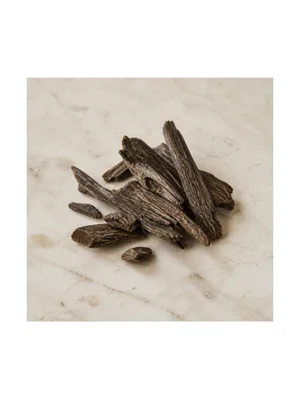
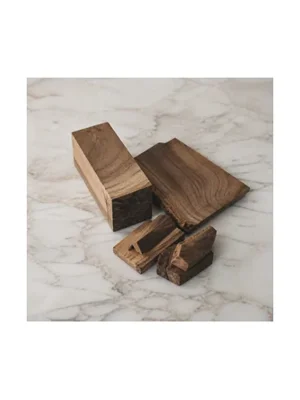
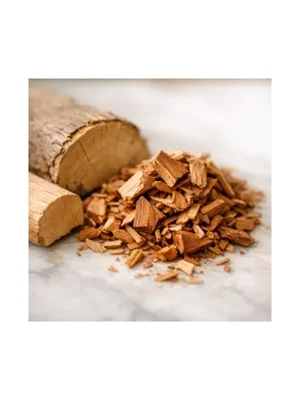
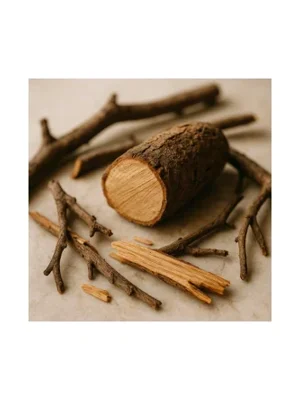
Almond Tree Wood is a conceptual note evoking the scent of the wood and branches of the almond tree, subtly infused with the creamy warmth of the nut. It combines dry, pale woods with delicate nutty and faintly sweet facets, suggesting sun-warmed orchard trunks rather than overt marzipan. Perfumers use it to give a refined, woody-almond signature to both gourmand and woody compositions.
Almond Tree Wood typically smells like a light, dry wood softened by milky, nutty nuances reminiscent of almond and tonka. Compared with straight Almond, it is less sugary and less intensely marzipan-like, instead highlighting woody shavings, pale bark and a gentle creaminess. There can be a faintly powdery and vanillic background, which melds easily into musks, vanilla and soft cedar or sandalwood bases.
Read off the wheel, not a label applied to the note.
Not extracted.
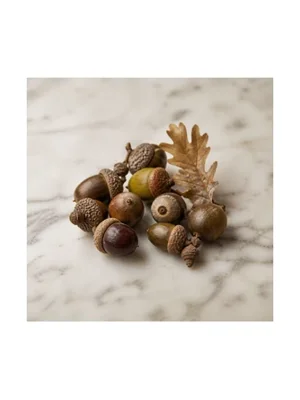
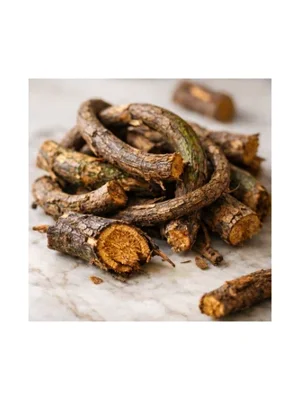
In practice, Almond Tree Wood is an accord rather than a standard natural extract, since steam-distilled or expressed almond wood is not a common commercial material. Perfumers usually recreate it by blending woody molecules (such as sandalwood and cedar derivatives) with almond-like aromachemicals, tonka/heliotrope facets and soft musks to suggest the trunk and branches of the almond tree. The idea is inspired by Mediterranean almond orchards, where sun-warmed bark and the nutty aroma of the fruit coexist, but the note in perfumery is almost always synthetic or abstracted rather than a single raw material.
Perfumers use Almond Tree Wood primarily in the heart and base of fragrances to bridge gourmand almond notes with more classical woods. It works well in amber-woody and gourmand-woody structures, where it softens sharper cedars or dry woods and adds a creamy, nuanced warmth. Typical partners include vanilla, tonka bean, heliotrope, cedar, sandalwood and soft musks, creating compositions that feel woody yet subtly edible and comforting without becoming overtly dessert-like.
A selection of reviewed perfumes where Almond Tree Wood appears prominently.
New finds, honest verdicts, and price drops.
No spam. Unsubscribe anytime. See our privacy policy.