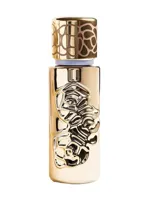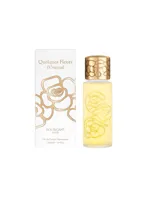
Quelques Fleurs l'Original
EDP · 1912
Houbigant
Acquired
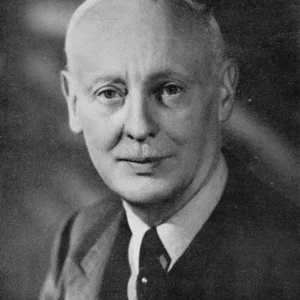
Sources highlight Bienaimé’s pioneering work on complex floral bouquets: Quelques Fleurs (Houbigant, 1910) is frequently described as the first true multi-floral bouquet in modern perfumery, carefully blending numerous floral notes rather than focusing on a single flower. He also worked on realistic single-flower renditions such as Lilac for Houbigant, illustrating a range from lush, abstract florals to more soliflore-style compositions. His later Parfum de Bienaimé releases, including Sur les Aimes, Cuir de Russie and Fleurs de Provence, continued this emphasis on elegant floral structures enriched with classical French accords.
Robert Bienaimé (15 March 1876 - 12 October 1960) was a French chemist and perfumer born in the 8th arrondissement of Paris. Around 1909-1910 he joined the Paris house Houbigant under master perfumer Paul Parquet, becoming his protégé and learning perfumery after formal training in chemistry. At Houbigant he created several important fragrances, notably Quelques Fleurs (launched 1910), often cited as the first true multi-floral bouquet, and Lilac, a single-flower composition, both for Houbigant. After Parquet’s death in 1916, Bienaimé effectively led perfume creation at Houbigant until about 1930 and served multiple terms as president of the Syndicat National de la Parfumerie between 1923 and 1942. In 1935 he left Houbigant to found his own company, Parfum de Bienaimé (also called Maison/Parfums de Bienaimé), which issued fragrances such as Sur les Aimes (1935), Cuir de Russie (1935), Caravan (1936), Fleurs de Provence (1937), Les Carnations (1943), Dentelle (1948) and Jours Heureux (1949).
Houbigant
New finds, honest verdicts, and price drops.
No spam. Unsubscribe anytime. See our privacy policy.