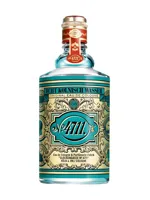
Original
EDC · 1792
4711
Favourite
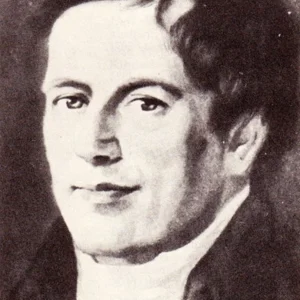
Originator of modern eau de cologne via the 4711 / Aqua Mirabilis citrus-herbal formula - the bergamot, lemon, neroli and rosemary blueprint that defined the eau de cologne category for over 200 years.
Wilhelm Muelhens (1762-1841) was the German merchant who founded the house that became 4711, the world's longest continuously produced eau de cologne. Born on 25 June 1762 in Troisdorf near Bonn, he settled in Cologne and married Catharina Josephina Moers in October 1792. According to the founding tradition, a Carthusian monk friend of the family presented Muelhens with the recipe for an 'Aqua Mirabilis' - a 'miraculous water' intended for both internal and external use - as a wedding gift, and Muelhens began producing it commercially the same year. In 1796 he acquired premises in Cologne's Glockengasse that gave the brand its name: French Revolutionary troops occupying Cologne in 1794 had numbered every house, assigning his building the number 4711. The product was initially sold as a medicinal Aqua Mirabilis; after an 1810 Napoleonic decree required all medicinal recipes to be disclosed, Muelhens repositioned the formula as an external fragrance and adopted the slender 'Molanus' bottle the cologne still uses today. He continued to lead the business through the Napoleonic era and the early Prussian period, exporting to Paris and Stralsund. His son Peter Joseph Muelhens (1801-1873) joined the business in 1825 and progressively assumed control as Wilhelm navigated disputes over the rival 'Farina' name. Wilhelm Muelhens died in Cologne on 6 March 1841; the company remained in family hands and formally adopted the '4711' trade name in 1881.
Carthusian monastery formula tradition - the original 'Aqua Mirabilis' recipe predates Muelhens, who commercialised a closely-guarded monastic distillation he received as a wedding gift in 1792.
New finds, honest verdicts, and price drops.
No spam. Unsubscribe anytime. See our privacy policy.