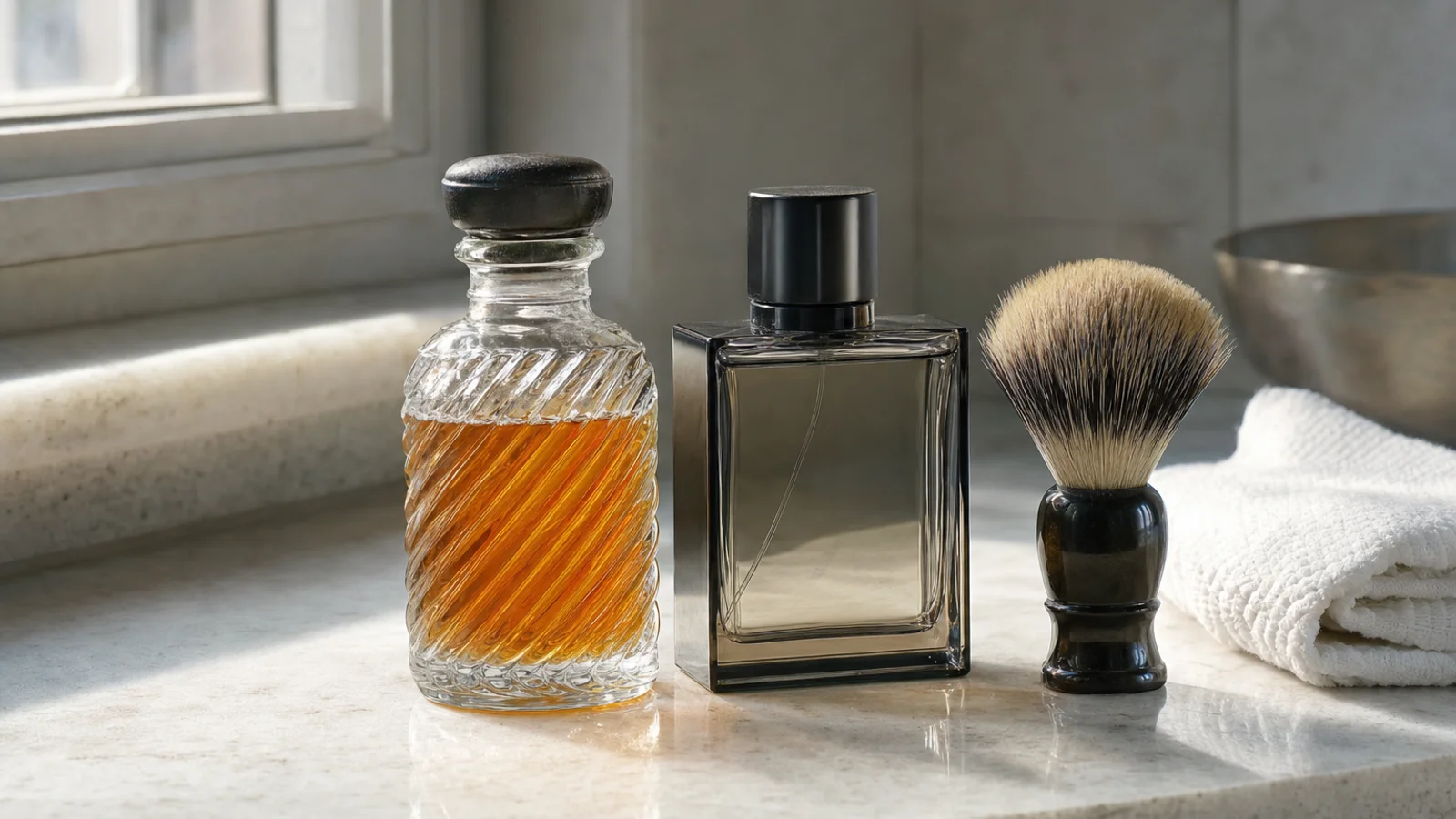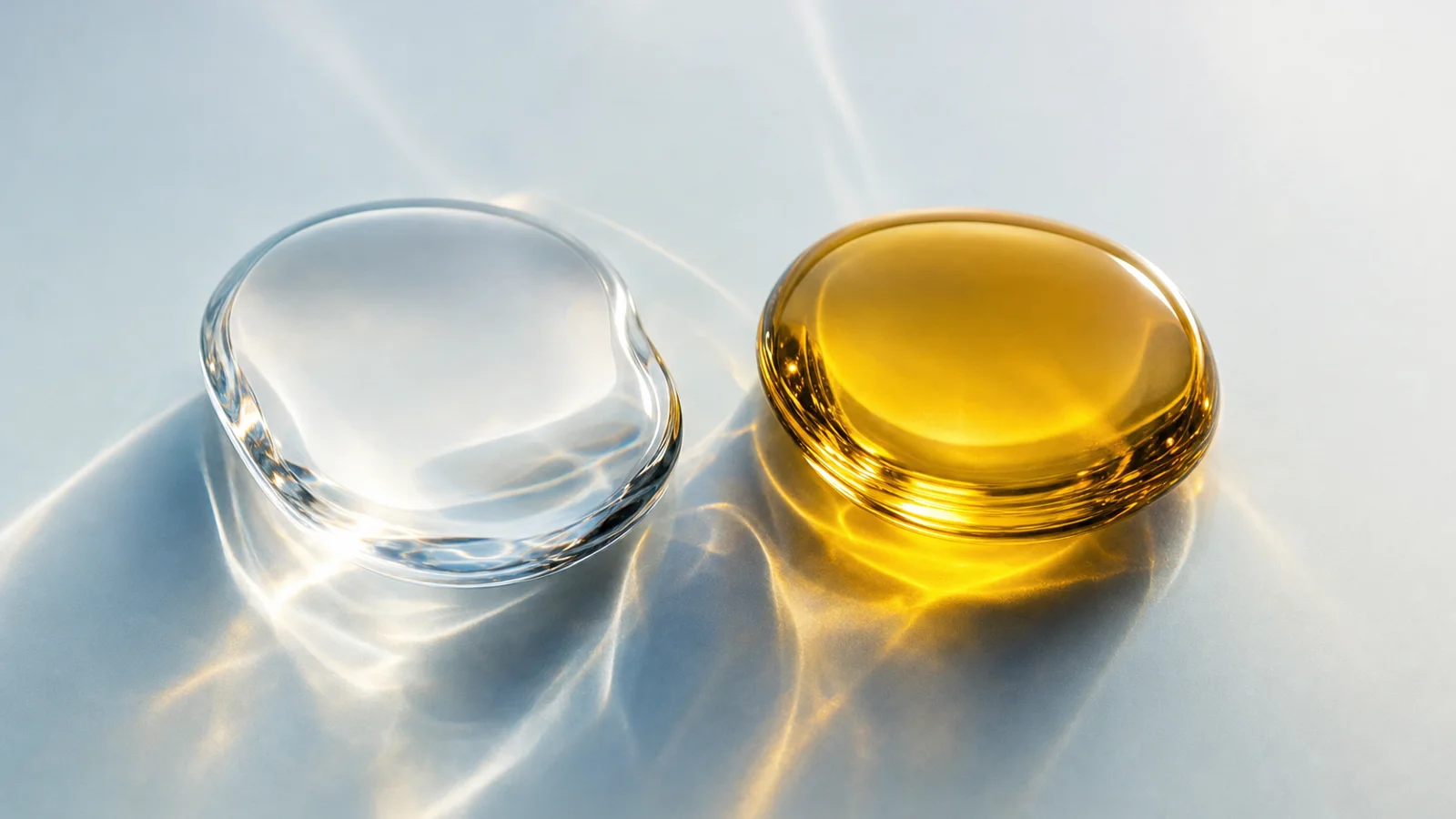
Eau de Parfum and Eau de Toilette are the two labels you will see most often on a perfume bottle, and the difference between them comes down to one thing: how much fragrance oil is dissolved in the alcohol. Eau de Parfum (EDP) is more concentrated, so it smells richer and lasts longer. Eau de Toilette (EDT) is lighter, fresher on first spray, and fades sooner. Everything else - price, projection, how many sprays you need - follows from that single number.
This guide explains the full concentration ladder, shows you the same famous fragrances side by side in both strengths, and helps you decide which one is actually worth your money.
The short answer
| Eau de Toilette (EDT) | Eau de Parfum (EDP) | |
|---|---|---|
| Fragrance oil | Roughly 5-15% | Roughly 15-20% |
| Longevity | 3-5 hours | 6-9 hours |
| Projection | Lighter, sits closer after the opening | Stronger, fuller for longer |
| Best for | Hot weather, daytime, the office | Cooler weather, evenings, longer days |
| Price (same fragrance) | Lower | Higher |
If you want a fragrance that lasts through a working day and into the evening, choose the EDP. If you want something fresh and easy that you can over-apply without choking a room, the EDT is often the smarter buy.
The full concentration ladder
"Eau de Parfum" and "Eau de Toilette" are just two rungs on a ladder that runs from the lightest splash to the most concentrated extract. The percentages below are the industry-standard ranges - the exact figure varies by house, and a brand will not always print it on the box.
- Cologne (Eau de Cologne): around 2-4% oil. The lightest mainstream format. Bright, citrus-led, and gone within a couple of hours. Not to be confused with "cologne" used loosely to mean any men's fragrance.
- Eau de Toilette (EDT): roughly 5-15% oil. The everyday workhorse. Fresh on application, settles into a skin scent after a few hours.
- Eau de Parfum (EDP): roughly 15-20% oil. The most common strength for modern designer launches. The balance most people want - rich enough to last, wearable enough for daily use.
- Parfum: roughly 20-30% oil. Denser and longer-lasting again. Often the version a house releases a year or two after the EDP, marketed as the "elixir" or "intense".
- Extrait de Parfum: 30% and up. The most concentrated format, worn in tiny amounts, often dabbed rather than sprayed.
Two more formats sit outside the alcohol-based ladder entirely:
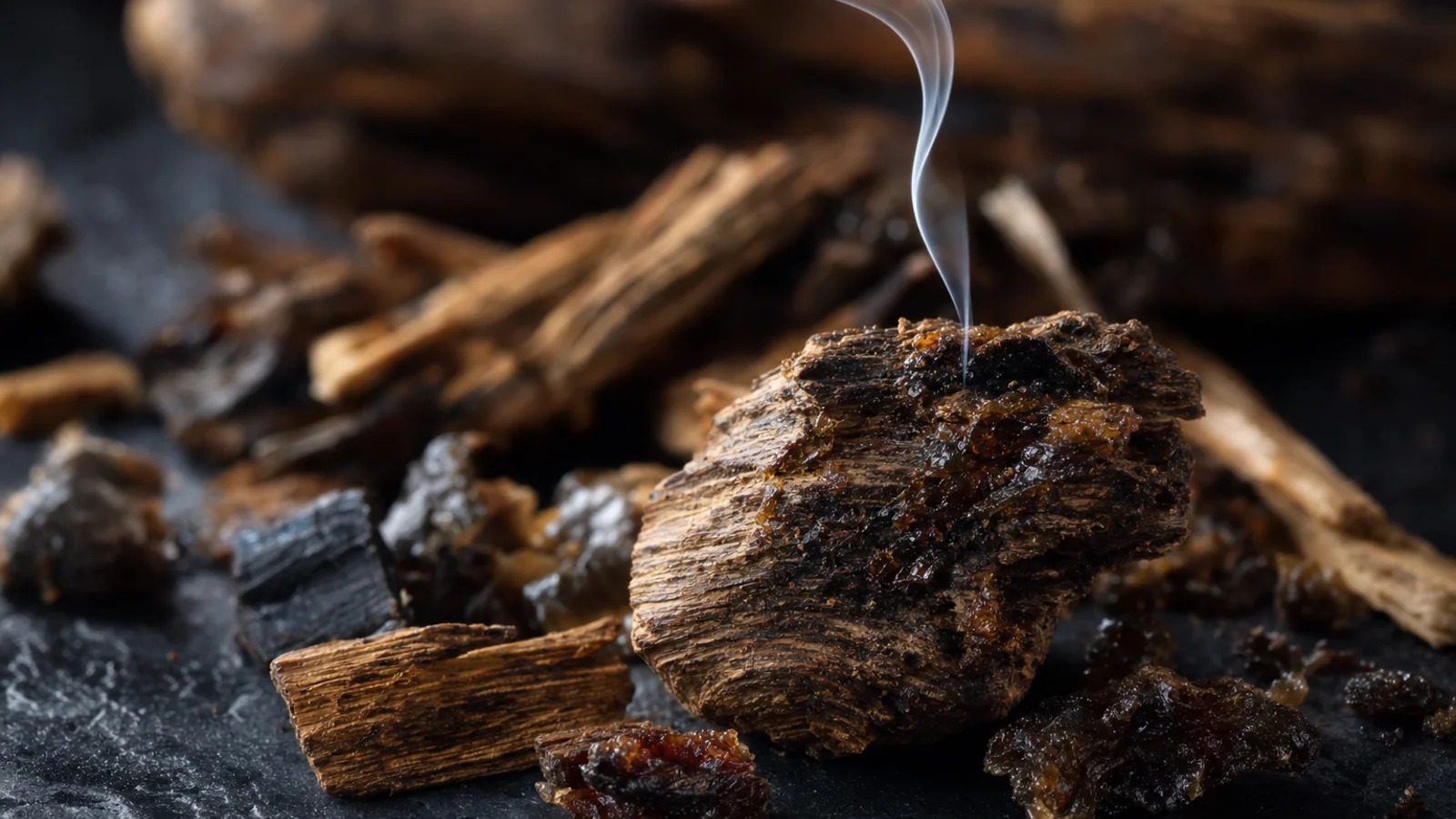
- Perfume oil (attar / mukhallat): oil-based with no alcohol carrier, common in Arabian perfumery. Intimate, very long-lasting, applied sparingly to skin.
- Solid perfume: a wax or balm applied with a fingertip. The lightest and most portable format, with no spray and no alcohol.
Same fragrance, two strengths: real examples
The clearest way to understand EDP vs EDT is to smell the same fragrance in both. Many houses reformulate a popular scent across the whole ladder, and the differences are genuinely audible. Here are four that we hold in multiple concentrations, so you can compare the notes and verdicts directly.
Dior Sauvage is the textbook case. The EDT is the bright, peppery, ambroxan-heavy version that made it the best-selling men's fragrance in the world - fresh and sharp, built for daytime. The EDP keeps the same DNA but adds a warmer, vanilla-tinged depth and noticeably more staying power. Same fragrance, different mood. Prices for each version are compared on its page.
Bleu de Chanel runs the full ladder. The EDT is the freshest and most citrus-forward, the EDP is warmer and smokier with better longevity, and the Parfum is the deepest and most sandalwood-rich of the three. It is one of the best demonstrations that "stronger" does not just mean "more of the same" - each version is voiced slightly differently. Prices for each version are compared on its page.
Versace Eros shows the pattern on the sweeter, gourmand end: the EDT is the iconic mint-and-vanilla blue juice, the EDP is richer and more tonka-heavy, and the Parfum is the most intense and longest-lasting.
Giorgio Armani Acqua di Gio is the classic aquatic split: the EDT is the crisp, marine original from 1996, while the EDP deepens it with more warmth and considerably better longevity - the version to reach for if the EDT always faded too fast on you.
Does EDP always last longer and smell stronger?
Mostly, but not always - and this is where the simple rule breaks down.
Concentration is the biggest single factor in how long a fragrance lasts, but it is not the only one. A house often reformulates the oils when it moves up the ladder, not just adds more of them, so the EDP can smell meaningfully different from the EDT rather than being a louder copy. Note choice matters too: a citrus-heavy EDT will always fade faster than a vanilla-and-amber EDP because the raw materials themselves are more volatile, regardless of percentage.
There are even cases where a well-made EDT outlasts a thin EDP from a different house. Concentration is a strong guide, not a guarantee. The honest answer is: within the same fragrance, the EDP almost always lasts longer; across different fragrances, the notes and quality matter as much as the label.
Which should you buy?
Buy the EDP if you want one bottle that does most things - it is the default for a reason. It carries through a long day, performs in cooler weather, and suits evenings. For most modern designer fragrances, the EDP is the flagship and the version reviewers discuss.
Buy the EDT if you run warm, wear fragrance mainly in summer or to the office, or like to apply generously. Lighter concentration means you can spray more freely without overwhelming the people around you, and the lower price makes it an easier first purchase.
A few practical tips:
- Compare price per millilitre, not per bottle. An EDP is more expensive, but it also lasts longer per spray, so the real-world cost gap is smaller than the shelf price suggests.
- Sample before committing. The wear of a fragrance changes from skin to skin, and the EDP-versus-EDT difference is easiest to judge on your own skin over a full day rather than on a paper strip in store.
- Cooler weather rewards concentration. If you only own one strength and wear it year-round, an EDP is the safer all-rounder; heat amplifies fragrance, so a lighter EDT can be more pleasant in summer.
Eau de Parfum vs Eau de Toilette FAQ
Is Eau de Parfum better than Eau de Toilette?
Neither is better - they are different tools. EDP gives you richness and longevity; EDT gives you freshness, easier application, and a lower price. The right choice depends on the weather, the occasion, and how strong you want to project.
Why does the same perfume cost more as an Eau de Parfum?
Because it contains more fragrance oil, which is the expensive part. The higher concentration also means it lasts longer per spray, so the cost difference is smaller once you account for how much you actually use.
How many sprays should I use?
As a rough guide, two to four sprays of an EDT and one to three of an EDP. Stronger concentrations need fewer sprays. Build up gradually - you can always add more, but you cannot take it off.
What is stronger than Eau de Parfum?
Parfum (around 20-30% oil) and Extrait de Parfum (30% and up) are both more concentrated than EDP. They last longer and are usually applied in smaller amounts. Alcohol-free perfume oils used in Arabian perfumery can be the most intimate and long-lasting of all.
Does Eau de Toilette go off faster?
Shelf life is similar - both keep for years if stored away from heat and light. EDT simply fades faster on your skin during a single wear, which is a different thing from the bottle expiring.
Where this guide comes from
This explainer is drawn from established perfumery industry standards for fragrance concentration, cross-checked against the concentration data we hold on every perfume in our catalogue. The example fragrances are ones we stock in multiple strengths, so the notes and verdicts linked above reflect our own per-perfume data. The guide is editor-reviewed before publish and updated as houses release new concentrations.
For more on what drives how a fragrance smells, see Perfume Notes Explained and Understanding Accords. For how we evaluate every fragrance, see our methodology page.