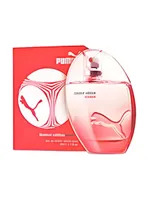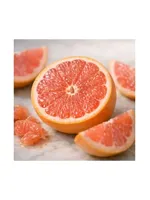

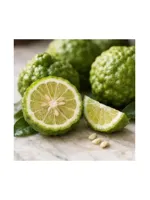

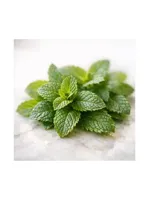
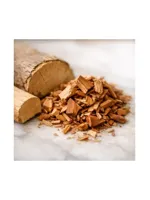
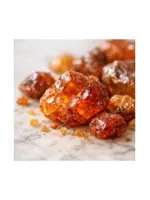
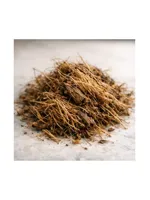
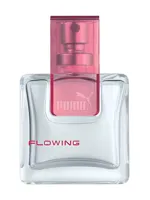
Flowing
EDP
PUMA
Favourite
Sport-inspired mass-market fragrances tied to the PUMA lifestyle brand.
PUMA is the fragrance extension of the German sportswear company founded by Rudolf Dassler in 1948, after his split from his brother Adolf Dassler, who founded Adidas. The brand name PUMA was adopted in January 1949. Its fragrance business sits under the broader athletic and lifestyle identity that made the company famous through football boots, track shoes, and sportswear.
In fragrance, PUMA has mainly operated as a licensed mass-market brand rather than as a standalone perfume house. FragranceNet notes that PUMA launched its first personal fragrances, Puma Man and Puma Woman, in 2002 under a licensing arrangement with Procter & Gamble. That places the brand in the commercial designer-sports space, with scents aimed at broad appeal rather than niche composition or luxury positioning.
The scent direction is typically fresh, sporty, and easy to wear, with mainstream aromatic, citrus, and woody profiles rather than heavy or highly experimental structures. PUMA fragrances are best understood as accessible extension products tied to the brand's active, youthful image, not as collector-focused perfumery. The line has been more about marketable, everyday wearability than a strong signature perfumery identity.
A mass market, mid house known for fresh compositions.
PUMA moved from a pure sportswear identity into licensed fragrance after the apparel brand was already established. Early fragrance launches in the 2000s leaned heavily into the athletic lifestyle angle, and the category has stayed close to that positioning rather than building a complex perfumery archive. Over time, the line has remained accessible and commercial, with little evidence of a push toward niche-style craftsmanship.
PUMA fragrances are functional, mainstream, and easy to buy, but they are not for people looking for originality or depth. The brand's strength is recognizability and accessibility, not standout composition.
Favourite - easy to wear anywhere · Statement - bold & distinctive · Acquired - bold, for fewer occasions
New finds, honest verdicts, and price drops.
No spam. Unsubscribe anytime. See our privacy policy.