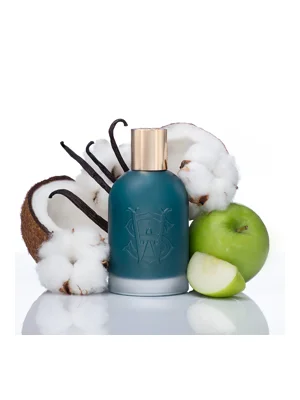
 Surfari
| Extrait | Concentration | Edp |
| U | Gender | U |
| 2024 | Year | 2022 |
| ££ | Price Tier | ££££ |
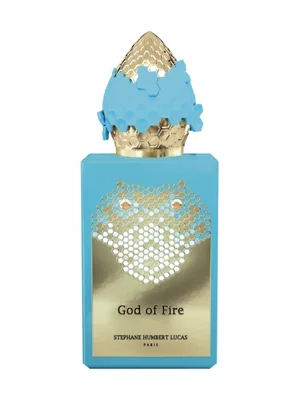 God of Fire
ScentArt

Which Should You Buy?
A tropical coconut-vanilla gourmand lifted by green apple and bergamot, grounded by sandalwood and ambergris. Lasts all day and reads as tropical beach cocktail, a sweet summer statement for the coconut crowd.
God of Fire is a controversial tropical hit. Some rave about its juicy, authentic mango, while others find it too synthetic, cloying, or merely a high-end shampoo scent. It's a powerhouse for compliments, but divisive on whether it justifies the price.
Scent Profile
| Citrus | 13% | 9% |
| Floral | 10% | 13% |
| Fruity | 19% | 15% |
| Green | 5% | 4% |
| Sweet | 30% | 21% |
| Warm | 4% | 8% |
| Woody | 11% | 11% |
| Earthy | 2% | 1% |
| Animalic | 19% | 26% |
| Fresh | 18% | 16% |
Mood
Notes
Top Notes
Top Notes
Heart Notes
Heart Notes
Base Notes
Base Notes
Accords
Performance
Season and Occasion Fit
Seasons
Black coconut, vanilla, and a warm ambergris-sandalwood base conjure tropical beach heat; summer is the anchor, spring the natural extension. Too sweet and tropical for winter, too warm for crisp fall wear.
Occasions
Full-room projection and coconut-vanilla sweetness suit casual summer wear and warm-weather date nights. Too dense and sweet for office or formal settings and too heavy for sport.
Seasons
A warm-weather pick - at its best in summer and spring.
Occasions
With strong projection and impressive longevity, God of Fire is a bold choice. Its vibrant, tropical fruitiness makes it ideal for casual outings, dates, and even sport, but it might be too overwhelming for formal events or a conservative office environment where discretion is key.
Similarity Breakdown
Both share Fruity, Tropical, Sweet accords and Jasmine, Musk notes
Subtle differences in overall composition
Where to buy




ScentVerdict earns a commission from purchases - this doesn't affect our verdicts.