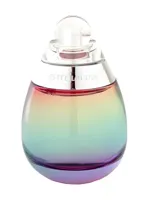
Beyond Paradise
EDP · 2003
Estée Lauder
Statement
Note profile
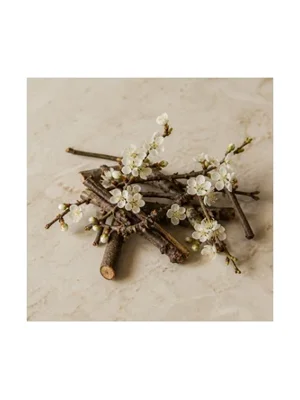
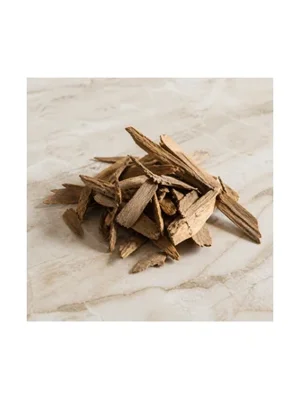
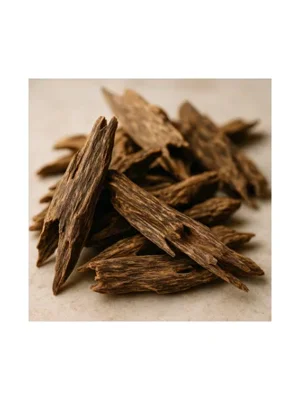
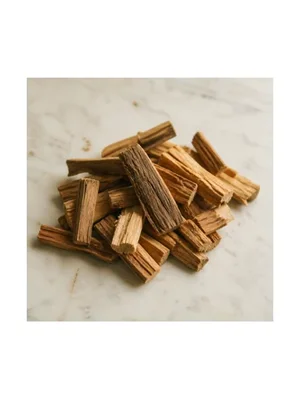
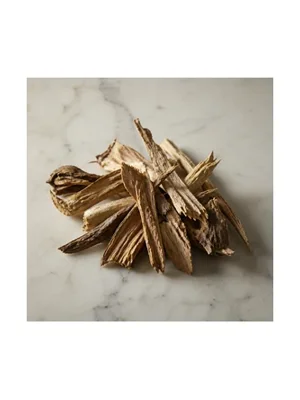
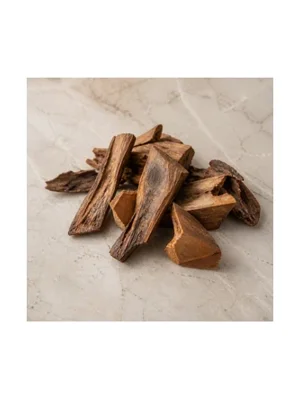
Plum wood is the timber of the plum tree, not the fruit and not the blossom. Cut or turned as solid wood, its only recorded odour is vegetal: The Wood Database calls it "a distinct scent while being worked that is reminiscent of pumpkin or squash". Burned as barbecue fuel, its smoke is called mild, sweet and "reminiscent of its fruit". No perfumery supplier sells a plum wood oil, extract or absolute, so the note in a perfume is a built accord rather than a distilled material.
Plum Wood smells of dry timber first, the only recorded quality when the wood is cut or turned, closer to pumpkin or squash than to a typical wood. Burned as fuel, the smoke reads mild and sweet, reminiscent of its own fruit. It stays a thin, quiet wood rather than a loud one.
Read off the wheel, not a label applied to the note.
Tap a perfume to see where Plum Wood sits in it. The rest of the picture goes grey

The Wood Database records the timber as heavier and harder than cherry and much scarcer, available only in small sizes, so it goes to decorative work rather than boards. Its second use is as smoking wood for meat. No fragrance house or perfumery-material supplier lists a plum wood material, unlike guaiac, hinoki or cedar, so what a perfumer puts in the bottle under this name is a reconstruction.
Attested 7 times on Parfumo across 5 brands, and absent from Fragrantica. What those 5 brands actually mean by it could not be checked against any formula.
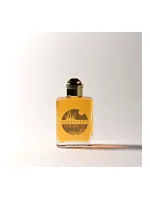
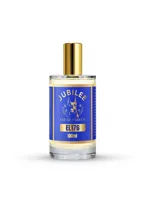
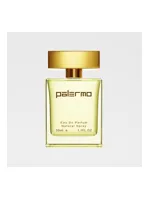
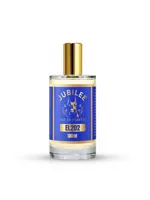
A selection of reviewed perfumes where Plum Wood appears prominently.
Get the verdict in your inbox
New finds, honest verdicts, and price drops.
No spam. Unsubscribe anytime. See our privacy policy.
Are you sure?