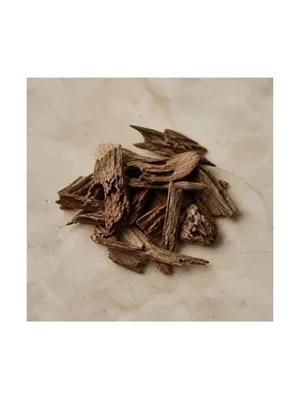
Burmese Oud
Note Profile
About
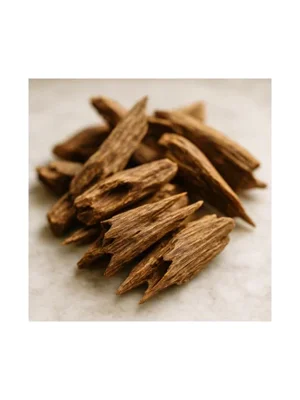
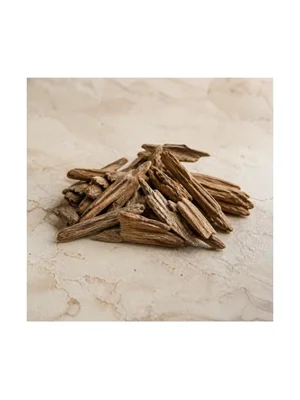
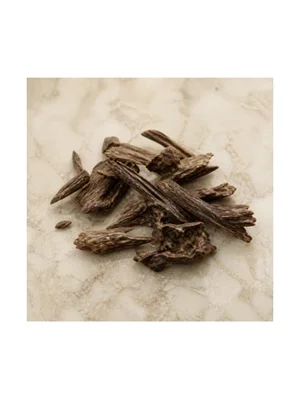
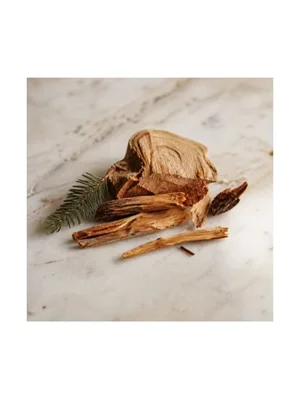
Myanmar agarwood oil. Vendors describe two different smells under the name.
Scent Profile
Dry_woody is the only thing every source agrees on. Past that the trade splits. Sabily Collection and Feel Oud describe a dark, rich oil: honeyed from 'notes of honey and melted chocolate', leather from 'soft, silky leather' and suede, amber_resinous for the balsamic body Wikipedia also names, fruity from 'rich wild berries', smoky for the 'intense smoky aroma', coffee_cacao because two separate sentences from one seller reach for melted chocolate and no other published oud does, earthy, and animalic for the 'vibrant musky' quality. Oxford Ouds describes the opposite oil from the same country: clean, mineral, grapefruit-acidic, pine and candied citrus, sold explicitly to people who want 'clean, mineral oils instead of traditional, barnyard oils'. That pole is carried at low weight, mineral and citrus, with wide spreads, because it comes from one boutique describing one deliberately low-temperature-extracted batch rather than from anyone describing Burmese oud in general.
ScentWheel
Read off the wheel, not a label applied to the note.
Origin
Oil distilled from Aquilaria wood grown in Burma/Myanmar, one named source being the forest near Meiktila. It is an artisan trade, not a house material, so there is no standard product and batch identity carries the character. No fragrance manufacturer publishes an olfactive description for oud of any origin.
Usage in Perfumery
Base note. Attested on Parfumo in 26 placements across 10 brands, with no Fragrantica page for the term. Sold neat by oud houses and used in small percentages elsewhere, in the same slot the other regional ouds occupy.
Similar Notes
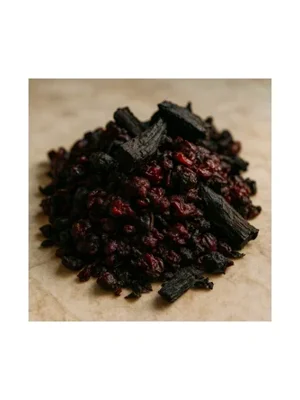
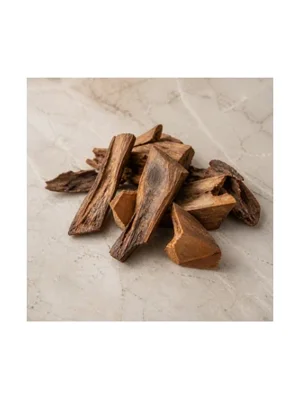
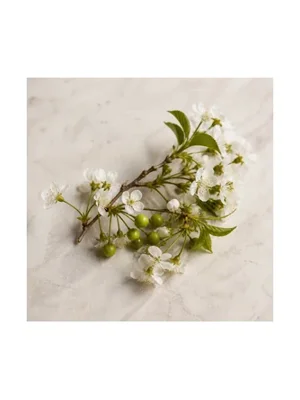
Perfumes featuring Burmese Oud
A selection of reviewed perfumes where Burmese Oud appears prominently.
No perfumes featuring this note have been reviewed yet. Check back soon.