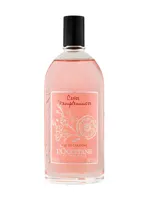
Cerise Pamplemousse
EDC · 2024
L'Occitane en Provence
Favourite
Note Profile
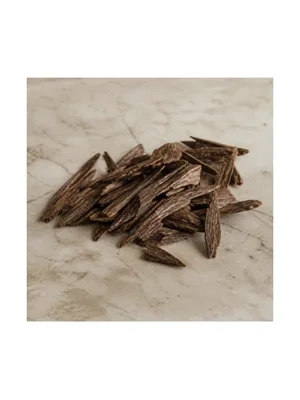
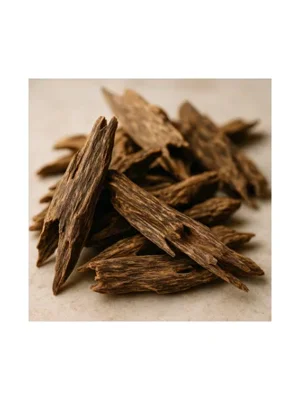
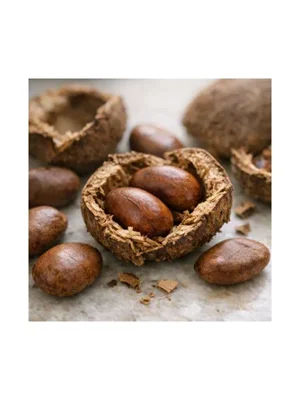
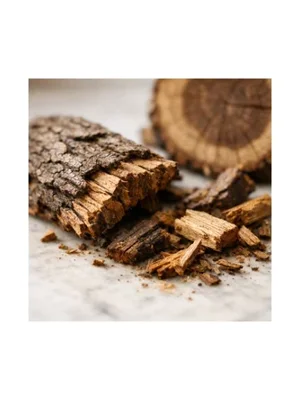
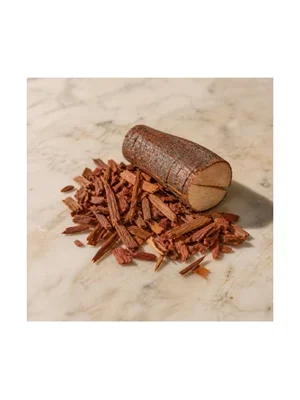
Cherry Tree is the wood of Prunus avium or Prunus serrulata, not the fruit and not the blossom. It reads as a quiet, dry, warm wood carrying a faint almond-nutty trace and a hay-sweet coumarin warmth. Both sources found say plainly that cherry wood does not smell like cherries.
Cherry Tree smells of dry wood rather than of cherries, closer to sanded furniture than a standing tree, warm and reddish rather than sharp. A mellow almond, nutty trace runs underneath, blended in rather than bright. A mild sweet vanillic warmth sits alongside, more coumarin than sugar, with a dry, hay-like tobacco note running alongside it. A subdued earthy quality comes through where the wood has been cut.
Read off the wheel, not a label applied to the note.
Tap a perfume to see where Cherry Tree sits in it. The rest of the picture goes grey
No standard commercial extraction of cherry wood exists for perfumery. Small-scale distillation of cherry wood chips is possible but uncommon. In practice the note is reconstructed, from coumarin for the hay-sweet warmth, trace benzaldehyde for the almond-cherry edge, and warm woods such as sandalwood and cedarwood for the body.
Used as a base note in orchard-wood and warm-wood accords, where it supplies dry warmth without the loudness of cedar or the sweetness of the fruit. It is not widely available as a natural extract, so a perfumer builds it rather than buys it.
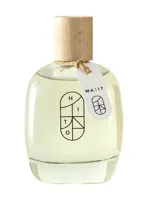
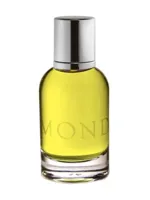
A selection of reviewed perfumes where Cherry Tree appears prominently.
New finds, honest verdicts, and price drops.
No spam. Unsubscribe anytime. See our privacy policy.