Plum Wood
Note Profile
About
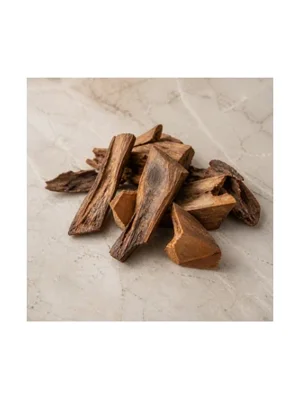
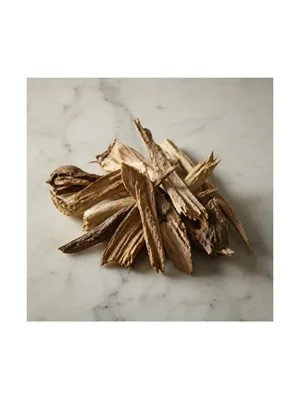
Plum wood is the timber of the plum tree, not the fruit and not the blossom. Two sources describe it and they describe two different events. Cut or turned as solid wood, its only recorded odour is vegetal: The Wood Database calls it "a distinct scent while being worked that is reminiscent of pumpkin or squash". Burned as barbecue fuel, its smoke is called mild, sweet and "reminiscent of its fruit". Neither source gives a chemical profile. No perfumery supplier sells a plum wood oil, extract or absolute, so the note in a perfume is a built accord rather than a distilled material. The vector below is deliberately thin and wide.
Scent Profile
Dry_woody anchors the note because the referent is timber and nothing else in the evidence can lead. It is capped below a loud wood on purpose. The Wood Database records a distinct scent but never calls it strong, and no source names resin, pine, turpentine or nuttiness for plum specifically. Fruity is the smoke claim, "reminiscent of its fruit", carried at about half the strength of the published plum note because it arrives from combustion rather than from the wood in the hand, and because a reader meeting this note in a perfume expects some plum. Sweet_vanillic is the same source's "mild, sweet flavor", with the warning attached that too much plum wood makes meat "take on too much sweetness". Smoky is held down for the same reason fruity is held down: the only smoke evidence is about burning the wood as fuel, which is not what the note names, and the one comparison given is "more mellow than hickory". Green is the least secure number here. The single concrete odour claim for the raw timber is pumpkin or squash, and this vocabulary has no facet for that. Green is the closest available and it is a poor fit, so it is scored low and flagged rather than promoted. Below those, a creamy_woody smoothness, a floral thread from one workshop comment about a plum burl keeping its "floral scent", and small earthy, honeyed, amber_resinous and lactonic traces that no source states and none rules out.
ScentWheel
Read off the wheel, not a label applied to the note.
Origin
Heartwood of Prunus domestica and related plums. The Wood Database records the timber as heavier and harder than cherry and much scarcer, available only in small sizes, so it goes to turning and decorative work rather than boards. Its second use is as smoking wood for meat. No fragrance house or perfumery-material supplier lists a plum wood material, unlike guaiac, hinoki or cedar, so what a perfumer puts in the bottle under this name is a reconstruction.
Usage in Perfumery
Attested 7 times on Parfumo across 5 brands, and absent from Fragrantica. That is real shared vocabulary rather than one house's copy, which is why the term earns a row. What those 5 brands actually mean by it could not be checked against any formula.
Similar Notes
Perfumes featuring Plum Wood
A selection of reviewed perfumes where Plum Wood appears prominently.
No perfumes featuring this note have been reviewed yet. Check back soon.