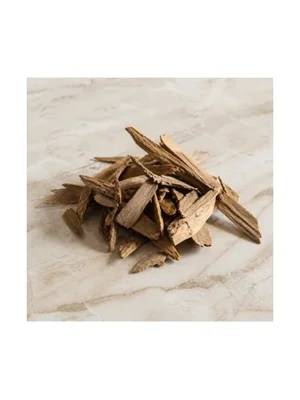
Acacia Wood
Note Profile
About
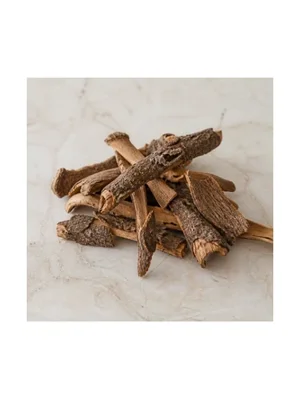
Acacia wood is a soft, dry woody base with a resinous floor. It is not one material. Acacia is a genus of nearly a thousand species and the timbers do not share a smell: two of the three named in the sources have no characteristic odour at all, a third smells of raspberry jam when cut, and the resin and bark are burned as incense. What perfumers put in the bottle under this name is unrecorded. Read the vector as a wide guess at a quiet wood, not as a description of a known oil.
Scent Profile
Dry_woody leads because the note is placed in the base and the referent is timber, and it stops well short of a loud wood because two of the three named acacia timbers are recorded as having no characteristic odour at all. Amber_resinous is the second facet and rests on the one non-timber use with real evidence: acacia bark, roots and resin burned as incense. Below the line, fruity is the raspberry-jam smell of cut Acacia acuminata, which is the only positive olfactive fact anyone records for acacia heartwood, and it may be wrong here because that species is one of a thousand and is a niche timber. Floral and powdery are the anecdotal violet character of dryland acacias, carried at trace strength because the report names leaf and bark, not wood. Creamy_woody, smoky, sweet_vanillic and green are the soft edges of a mild wood and an incense resin. Honeyed is deliberately small: the warm honeyed iris-powdery profile on record belongs to acacia the flower absolute, which this repo already publishes as 'acacia', and no source gives it to the wood. It is not zero because a perfumer writing 'acacia wood' plausibly nods at that association, and the 0.22 spread says I cannot tell.
ScentWheel
Read off the wheel, not a label applied to the note.
Origin
Acacia is a genus of nearly a thousand species split across Africa and Australia. The Wood Database records no characteristic odour for Gidgee, Acacia cambagei, and none for Australian blackwood, Acacia melanoxylon. Acacia acuminata is sold as 'raspberry jam wood' and is named for the fruity smell it gives off when cut. Dryland Australian acacias are reported, without measurement, to carry a floral violet-like smell in leaf and bark rather than in heartwood. Separately, acacia bark, roots and resin are burned as ritual incense in Nepal, India, China and Tibet. No manufacturer or trade source gives a GC or an olfactive sheet for acacia wood as a commercial perfumery material.
Usage in Perfumery
7 Parfumo placements across 5 brands, none on Fragrantica. Parfumo records the note in 16 perfumes between 1995 and 2023 and says it usually sits in the base. Some of those releases use 'acacia' to mean an acacia-wood cask the alcohol was aged in, which is a different referent again and would push the note towards boozy and oaky rather than resinous.
Similar Notes
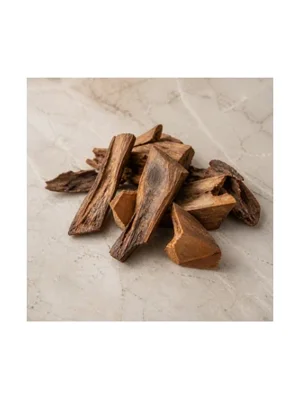
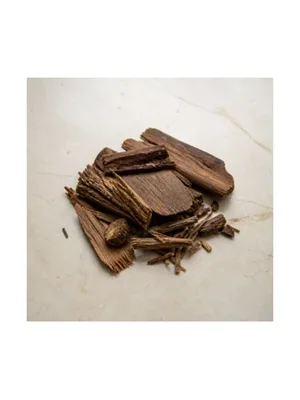
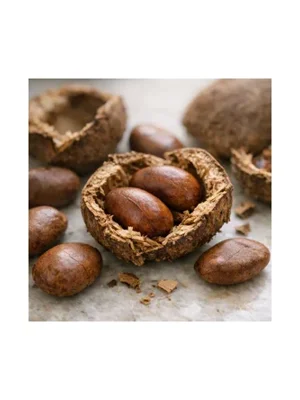
Perfumes featuring Acacia Wood
A selection of reviewed perfumes where Acacia Wood appears prominently.
No perfumes featuring this note have been reviewed yet. Check back soon.