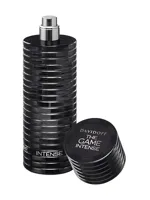
The Game Intense
EDP · 2013
Davidoff
Favourite
Note Profile
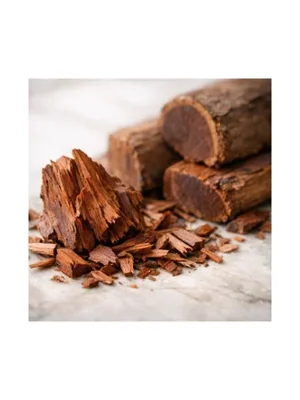
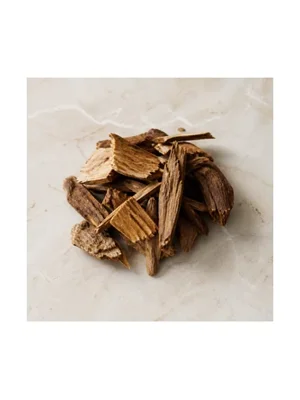
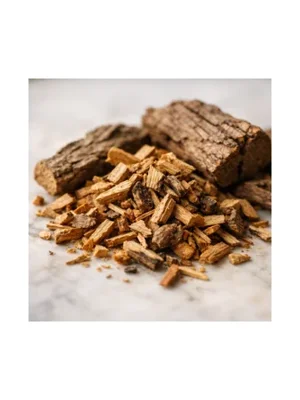
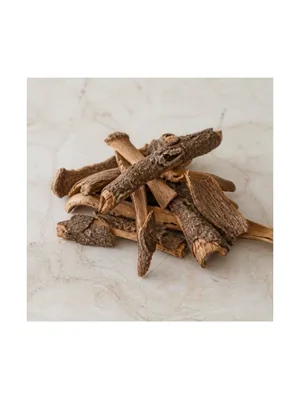
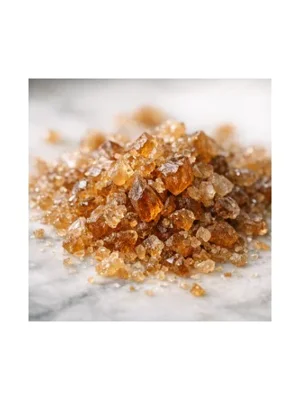
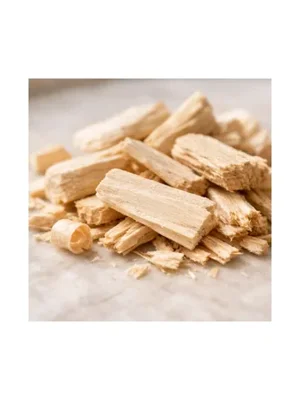
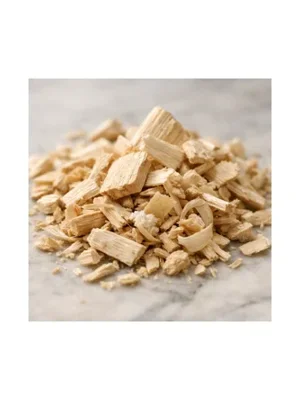
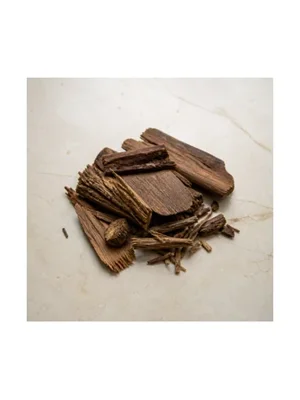
Blackwood is a dark, dense woody base with an amber-resinous floor and a small rose-floral edge. The name covers Dalbergia melanoxylon (mpingo), Dalbergia latifolia (Indian rosewood) and Firmenich's Blackwood Base 504855. All Dalbergia went onto CITES Appendix II in 2017. Genuine extract is barely traded, so the note is usually built from woody synthetics.
Dry woody first and by a distance - dense, tight-grained, polished, the smell of worked timber rather than forest. An amber-resinous floor sits under it, which is what the trade sales copy reduces to 'Wood, Amber'. Above both, a faint rose-floral warmth: dalbergione in the timber, citronellol and a lily-of-the-valley material in the base. A light sweetness and a small clean musk finish it.
Read off the wheel, not a label applied to the note.
Tap a perfume to see where Blackwood sits in it. The rest of the picture goes grey
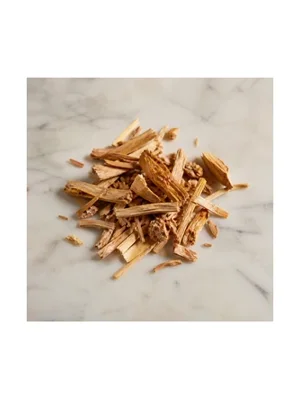
Two Dalbergia timbers and one synthetic base. The timbers are dense dark hardwoods whose rose-like warmth comes from dalbergione. Sawdust and chips can be steam distilled or solvent extracted, but this is uncommon commercially. The Firmenich base is a formulation. Its published SDS is led by Iso E Super at 15 to 20 per cent, then Firwood at 12.5, Hercolyn D at 10 to 15, Dimyrcetol, Coranol and citronellol at 7.5 to 10 each, and clary propionate and Norlimbanol Dextro at 5 to 7.5.
A base note and a foundation. It underwrites woody, sweet, amber and citrus accords and gives a composition a solemn dark floor. One perfumer reports that the commercial base works at 5 to 10 per cent in a masculine formula, where it reads modern and slightly brash alone and elegant in a blend. Above 10 per cent in a feminine formula its top notes become a problem.
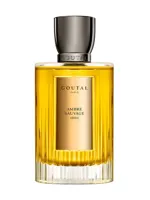
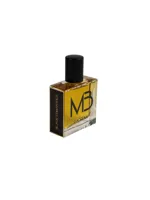
A selection of reviewed perfumes where Blackwood appears prominently.
New finds, honest verdicts, and price drops.
No spam. Unsubscribe anytime. See our privacy policy.