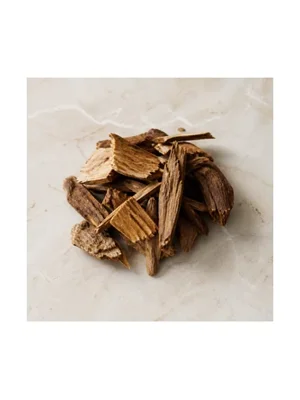
Jacaranda Wood
Note Profile
About
A soft, sweet wood note with a honeyed edge and a faint violet powder. No jacaranda wood oil exists, so every use is a built accord. The name points at two different trees, so perfumes that list it do not all mean the same wood.
Scent Profile
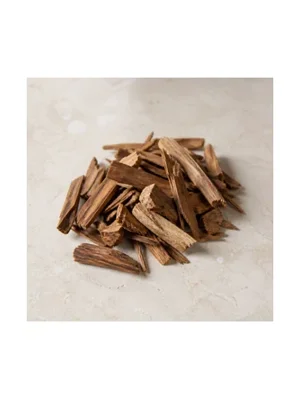
Jacaranda Wood smells of pale, quiet timber, milder than rosewood or sandalwood. A slightly honeyed sweetness runs through it, gentle rather than heavy. A faintly violet, powdery note sits alongside, more powder than flower. A sweet, resinous whisper closes it, faint and warm rather than strong.
ScentWheel
Read off the wheel, not a label applied to the note.
ScentArt
Origin
The name covers two trees. Jacaranda mimosifolia is the purple-flowered tree. Première Peau says its pale timber smells mild, warm and faintly resinous, without the strength of rosewood, sandalwood or cedar. In Brazil, jacarandá also names Dalbergia nigra, Brazilian rosewood. That timber smells rose-like when it is worked, and it is the wood prized for guitars and pianos. Neither tree gives a perfumery oil. Première Peau says the note is built from mild wood materials, ionone-type violet notes and honeyed modifiers.
Usage in Perfumery
Parfumo listed 24 perfumes with jacaranda wood on 2026-10-10, from 1999 to 2024. It most often sits in the base. The earliest include Givenchy Organza Indécence (1999), a sweet, spicy perfume with cinnamon, plum and patchouli. Fueguia 1833 ties the name to Dalbergia nigra rosewood.
Similar Notes
Perfumes featuring Jacaranda Wood
A selection of reviewed perfumes where Jacaranda Wood appears prominently.
No perfumes featuring this note have been reviewed yet. Check back soon.