Mango Wood
Note Profile
About
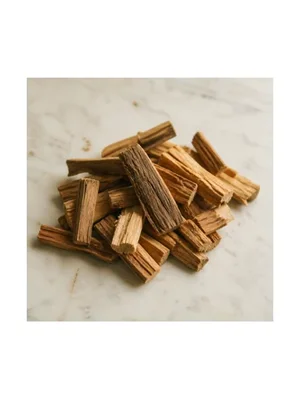
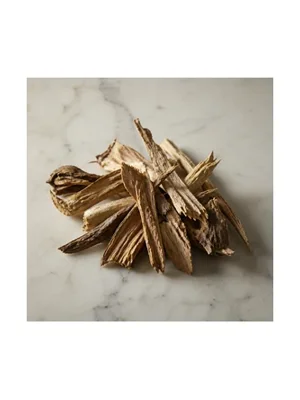
Mango wood is the timber of Mangifera indica. The one timber reference found says it has 'no characteristic odor' as dry, worked lumber. What the term carries in perfumery comes from the other half of the record: burning or smoking the wood gives a sweet, tropical-fruit aroma.
Scent Profile
Mango wood as worked lumber has almost no smell of its own. What perfumery calls mango wood comes from burning or smoking the timber, which gives a sweet, tropical fruit aroma rather than a woody one. That smoky sweetness carries hints of fruit and flowers together. The wood character stays low throughout, a quiet dry backdrop to the fruitiness rather than the main smell.
ScentWheel
Read off the wheel, not a label applied to the note.
ScentArt
Origin
The wood of the mango tree, an Anacardiaceae grown across South Asia, Southeast Asia and tropical America. It is a furniture and barbecue timber, not a perfumery raw material. No supplier lists a mango wood oil, absolute or CO2 extract. The Wood Database records 'No characteristic odor'. A Hawaiian firewood retailer describes the smoke as 'enticing, reminiscent of tropical fruits and flowers' with a 'delicate, fruity essence'. The one perfume named for it, Olakala's Mango Wooud, is a fantasy pairing of mango fruit with oud and sandalwood, not a description of the timber.
Usage in Perfumery
Used as a soft, fruit-tinted wood rather than a structural one. It sits under tropical fruit accords and gives them a base without the dryness of cedar or the sweetness of sandalwood. It is not the mango-tree note, which is the leaf, and not the mango note, which is the fruit.
Similar Notes
Perfumes featuring Mango Wood
A selection of reviewed perfumes where Mango Wood appears prominently.
No perfumes featuring this note have been reviewed yet. Check back soon.