The Question Every Fragrance Buyer Eventually Asks
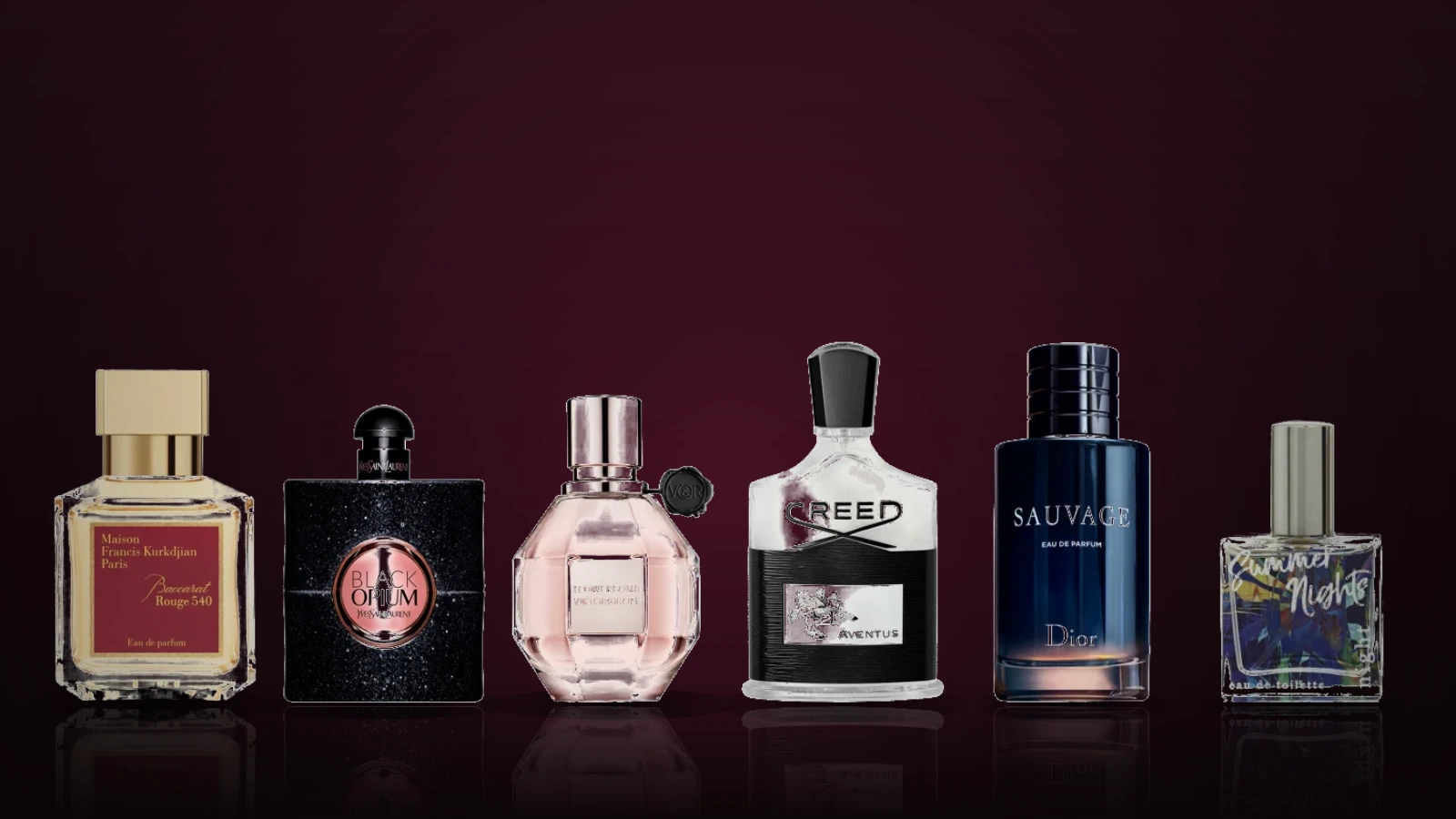
Maison Francis Kurkdjian Baccarat Rouge 540 costs around 250 for 70ml at John Lewis. A 50ml bottle of Aldi Lacura Cardinal Red costs under 6. Both are built around saffron, jasmine, and amberwood. Both, in their first thirty minutes on skin, smell like clear cousins of the same idea. The question is whether you are getting 244 of difference in the bottle, or 244 of difference in the marketing.
This is the question every fragrance buyer eventually arrives at. It has a sharper edge now than it did five years ago. Niche perfume in 2026 starts at around 150 a bottle and runs up past 500 for the Roja Parfums and Amouage end of the shelf. Designer perfume has not stood still either - the Tom Ford Private Blends sit at 200 and up, Chanel's Les Exclusifs cluster between 175 and 250 in the UK. And underneath both, the dupe houses - Lattafa, Maison Alhambra, Armaf, Al Haramain - are producing fragrances at 15 to 50 that the community keeps describing as 80 to 90 percent of the niche experience.
So which one of the three is the honest deal in 2026? The answer depends on what you actually want out of a fragrance, and on whether you know the specific traps each category is hiding. We compiled this from community discussion on Reddit's r/fragrance, Basenotes thread consensus, retailer pricing across UK stockists, and the brand-economics writing that explains why the numbers look the way they do. There is no universal verdict. There is a clearer way to choose.
What "Niche" Actually Means
"Niche" is a marketing term that has come loose from its original meaning, so it is worth being precise about what people mean by it. The fragrance community broadly divides niche into three groups, and the value calculation is different for each.
Artistic niche is the original definition. These are houses where the perfumer's creative vision drives the work and the marketing budget does not. Frederic Malle's Editions de Parfums is the cleanest example: founded in 2000 as a "perfume publisher" model where named perfumers get no time or budget limit and their names go on the bottle. Carnal Flower, by Dominique Ropion, contains a higher concentration of tuberose absolute than any other perfume in production - reportedly developed over more than two years. Other houses in this category include Serge Lutens, Andy Tauer, and the smaller indie operations like Imaginary Authors and DS&Durga.
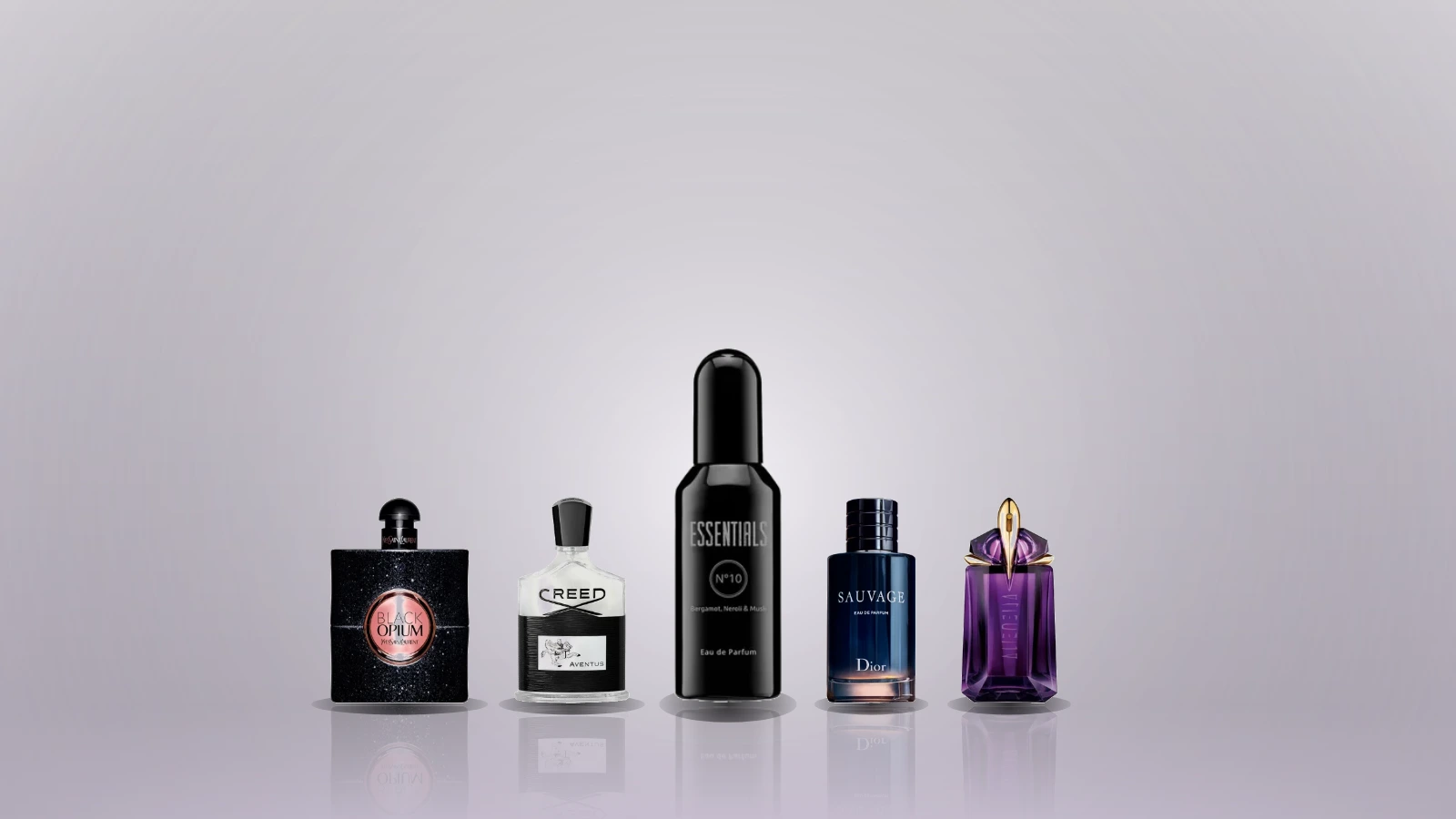
Commercial niche is the larger category in 2026. These are houses that sit at niche prices but operate at designer-scale volumes. Creed is the most obvious example - founded in 1760 as a heritage house, but now owned by LVMH since 2020 and selling Aventus in numbers that no artisanal house could match. Tom Ford Private Blends, Maison Francis Kurkdjian (also LVMH-owned since 2016), Le Labo (Estee Lauder), Jo Malone Cologne Intense - all of these are commercial niche. The compositions can still be excellent. The premium reflects positioning and distribution as much as ingredients.
Indie niche sits at the small-batch end. One-perfumer brands, often founder-led, often with creative control that the big-niche houses lost when they were acquired. The prices are usually high not because of brand storytelling but because the production runs are genuinely tiny.
Designer in this context means the perfume houses inside fashion brands - Dior, Chanel, YSL, Givenchy - and the mass-market houses like Lancome and Versace. The distinction matters because Chanel's Les Exclusifs line is a designer collection that competes head-on with niche on composition quality, while a Versace Eros is designer in the older, broader sense.
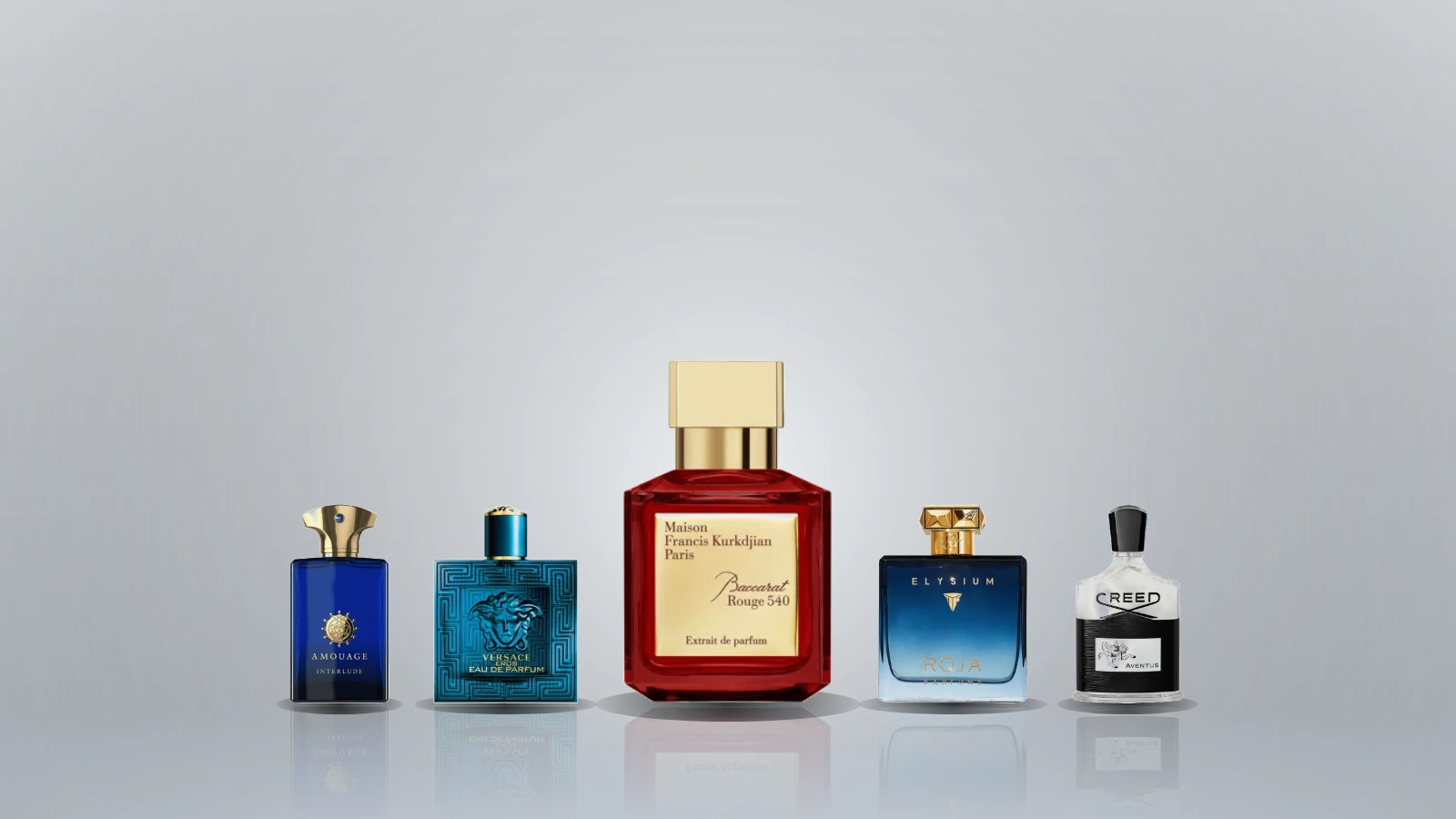
When the community asks "is niche worth it," they are usually asking about commercial niche - the 200-to-400 bracket where Creed, MFK, Tom Ford, and Le Labo sit. That is the bracket where the value question is sharpest.
Where Niche Genuinely Earns Its Premium
There are real reasons a 280 bottle exists, and the community broadly agrees on what they are.
Raw materials. The expensive ingredients in perfumery are genuinely expensive. Real oud (agarwood) sells for 38,000 to 56,000 dollars a kilogram, more than gold by weight. Bulgarian rose absolute runs 8,000 to 12,000 dollars a kilogram and requires roughly 10,000 pounds of petals to produce a single pound of oil. Hand-harvested iris butter, jasmine sambac absolute, and aged ambergris sit in the same territory. Designer houses use these materials in trace amounts or replace them with synthetic reconstructions. Niche houses, in some cases, use the real thing at meaningful concentrations.
The Frederic Malle Carnal Flower example holds up here. The brief was to maximise tuberose absolute, and the production economics reflect that choice. Roja Parfums Elysium uses real ambergris in its base, which the community discussion on Fragrantica confirms is rare enough that most reviewers single it out. Amouage uses Omani frankincense and rose, sourced and produced in Oman where the house is based - the supply chain is part of the price.
Lower reformulation churn. IFRA (the International Fragrance Association) restricts ingredients periodically as new allergen research emerges. The biggest casualty has been oakmoss - first restricted in 1988, then progressively tightened, and effectively prohibited in any meaningful concentration since 2014. Classic chypres (Mitsouko, Chanel No 19) have all been reformulated, and the consensus from chypre lovers is that the synthetic replacements never quite capture the original. Designer fragrances are reformulated more aggressively because they are mass-market - changes are dictated by cost-cutting as much as by regulation. Smaller niche houses reformulate less often because their volume does not justify the cost of constant tweaks, so a bottle of Frederic Malle bought today smells closer to the original than a designer fragrance from 2010 likely does.
Concentration. Many niche releases are extrait de parfum or saturated EDP - 20 to 30 percent perfume oil concentration, versus 10 to 15 percent for a typical designer EDP. You feel that in longevity and complexity. A bottle of Amouage Interlude Man at around 320 RRP at House of Fraser projects for hours longer than most designer EDPs at half the volume.
Creative latitude. This is the softest factor but the one the community talks about most. Frederic Malle's "no time or budget limit" pitch is rare. Most designer briefs are commercial: hit a focus group target, fit a fashion-house aesthetic, come in under a unit-cost ceiling. A niche house can make a fragrance that smells like burning leaves or pencil shavings, and if the perfumer's vision is honest, the market will find it. That latitude produces some of the most interesting work in modern perfumery - and a fair amount of self-indulgent rubbish, which is the next section.
Where Niche Does Not Earn It
The "niche tax" is a real thing, and the community has been calling it out more loudly each year.
Branding-heavy houses. Some niche houses charge niche prices for compositions that, in blind testing, perform no better than designer at half the cost. The community calls these out by name in Basenotes and Fragrantica threads, and the consensus is that the premium pays for bottle weight, gold accents, and the boutique storefront rather than the juice. Roja Parfums sits in the middle of this debate - the Elysium example above is defensible, but other releases in the line are criticised for ingredient choices that do not justify the 300-plus price.
The Creed problem. Aventus is the most-discussed case of niche pricing without niche consistency. Creed have batch-varied (or reformulated, depending on who you ask) Aventus enough times since 2010 that collectors trade vintage bottles like whisky. Earlier batches were smokier and birch-led. Modern 2020-onward batches are cleaner and more citrus-forward, with less of the birch character that made the original legendary. Since LVMH acquired Creed in 2020, the community discussion on Basenotes and Reddit has hardened around the view that quality control is no longer what it was. Paying 310 for a fragrance that lottery-rolls between batches is a tough proposition.
Designer houses punching above their weight. This is the flip side of the niche tax. Some designer fragrances genuinely compete with niche on composition and ingredient quality. Tom Ford Tobacco Vanille (around 290 for 100ml at Selfridges) is technically Private Blend, so commercial-niche, but the composition - sweet tobacco, vanilla, tonka, dried fruit - holds its own against any of the oriental niche at twice the price. Chanel Les Exclusifs Sycomore is woody-chypre work from Jacques Polge and Christopher Sheldrake that the community routinely places above niche releases at similar prices. Dior Privée collection, particularly Ambre Nuit and Bois d'Argent, sits in that same territory.
The interesting thing about the designer-punching-above pattern is that it works in the opposite direction too: there are niche releases that smell exactly like middle-shelf designer, except they are 250 instead of 80. A house can charge what it wants. Whether the bottle deserves it is a separate question, and the community is broadly willing to call out specific releases where the maths does not work.
The Dupe-House Question
The third leg of the 2026 fragrance market is the dupe houses, and they have reshaped the value calculus enough that no honest niche-vs-designer essay can ignore them.
Lattafa, Maison Alhambra, Armaf, and Al Haramain are Emirati and broadly Middle Eastern houses that produce remarkably close interpretations of designer and niche fragrances at high-street pricing. The economics work because the Middle East has a fragrance manufacturing infrastructure that scales differently from the European luxury supply chain. They can sell a 100ml bottle for 15 to 50 and remain profitable. The compositions are not always 1:1 clones - they are inspired-by interpretations, sometimes with adjustments to suit different climates and skin chemistries - but the DNA is recognisable.
The flagship case is Armaf Club de Nuit Intense Man, which the community has spent a decade comparing to Creed Aventus. The consensus on Reddit's r/fragrance and Basenotes is that Club de Nuit Intense Man EDP captures 85 to 90 percent of the Aventus experience for under 50. Several reviewers have argued it actually smells closer to the legendary smoky early-batch Aventus than modern Creed Aventus itself does, because the dupe was modelled on the early formula before IFRA restrictions changed the original. We have a longer breakdown of the Aventus dupe field in our Creed Aventus dupes guide.
Lattafa Khamrah is another case - a boozy gourmand with cinnamon, dates, and amber that the community broadly compares to Kilian Angels' Share (around 220 from Kilian) and that some pair with BR540 dupes for layering. Maison Alhambra produces close interpretations of Tom Ford Tobacco Vanille (Tobacco Touch), Baccarat Rouge 540 (Baroque Rouge 540), and a long list of others. The Baccarat Rouge 540 dupe field shows how dense the dupe market has become around a single iconic niche fragrance.
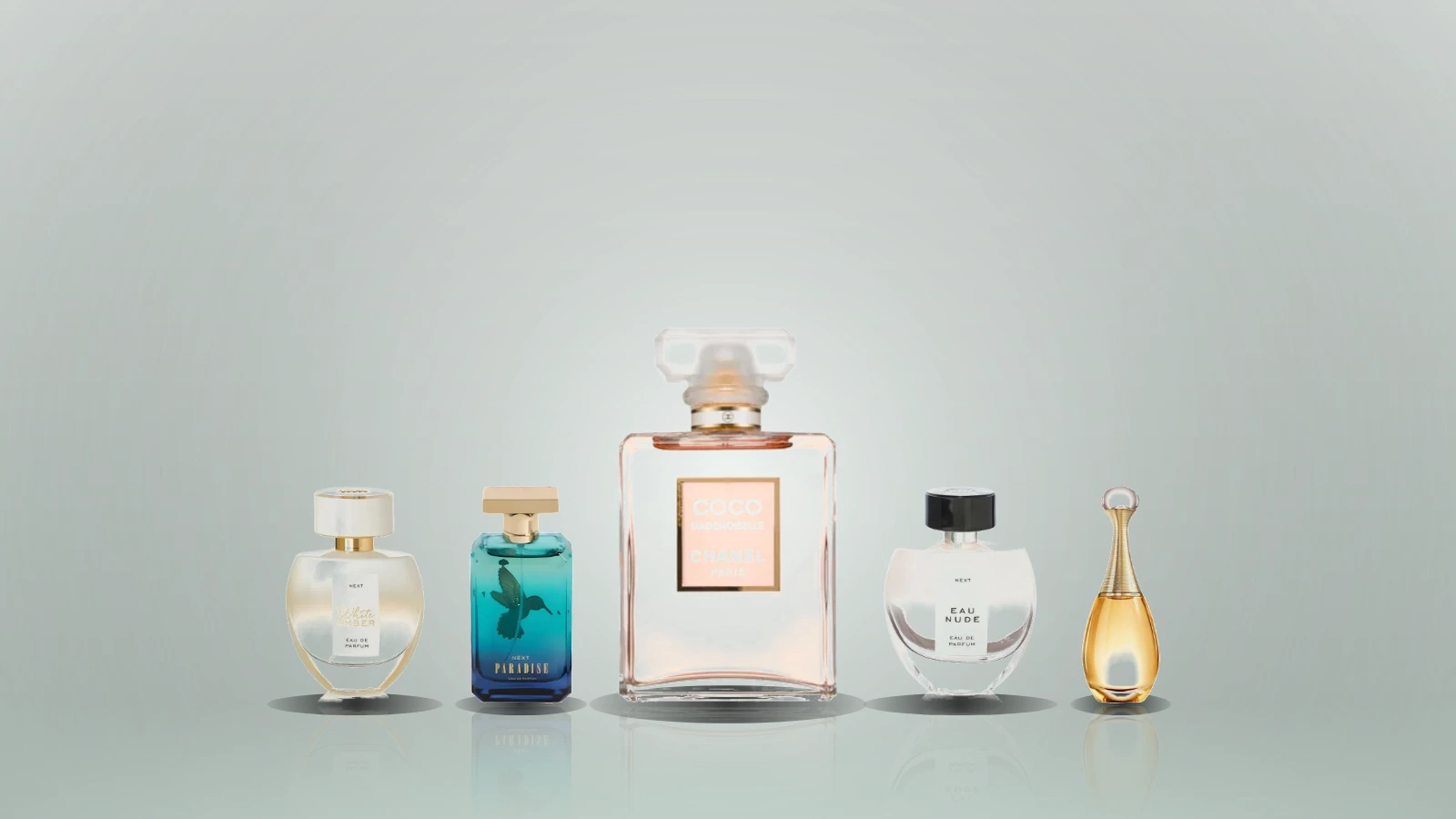
The supermarket and high-street tier sits underneath even the Arabian dupe houses. Aldi Lacura, Lidl Suddenly, Zara, M&S, Next - all of them now produce credible designer and niche interpretations at 3 to 25 per bottle. The Guardian's 2014 blind test on Lidl Suddenly Madame Glamour against Chanel Coco Mademoiselle is the often-cited reference point, and the community has only added to the list since. Our Lidl and Aldi dupe guide and the Zara dupe field cover the high-street end in detail.
The point this all adds up to is that the niche-vs-designer question is now actually a three-way question, and on pure note-overlap and value, the dupe houses win the maths most of the time. They lose on ingredient quality - the synthetic ambers and aromachemicals do not have the depth of the originals - and they lose on longevity in many cases. But the compliments-per-pound ratio is hard to argue with, and the community knows it. Our own 100-dupes data analysis found that 86 out of 100 carefully-chosen UK dupes landed within 20 points of their target on both algorithmic similarity scoring and community consensus.
What This Means for a UK Buyer in 2026
Three practical buying frameworks based on what the community broadly agrees works.
Buy niche when you have found a signature scent and you want to wear it daily for years. A niche bottle that you wear three times a week for five years works out to around 30 pence per wear at the 280-bottle level. That is a defensible cost-per-wear if you genuinely love the fragrance and the composition is something you cannot replicate elsewhere. Niche is also the right answer when you want a specific IFRA-restricted classical composition preserved - some of the boutique houses use grandfathered formulas or push closer to the IFRA ceiling than the mass-market houses dare. Roja's classical chypres, Amouage's incense work, and Frederic Malle's florals all fit this brief.
Buy designer when you want range, compliment-getting power, and reformulation-resilient bottles. Designer perfume has lower per-bottle costs and lets you build a wardrobe rather than commit to one signature. Chanel, Dior, YSL, and the Tom Ford signature line all produce excellent compliment-driven fragrances in the 80 to 150 range that genuinely earn their price. The Tom Ford Private Blend tier (180 to 350) is where the niche-vs-designer line gets blurry, and the community generally judges those on a per-release basis rather than as a category.
Buy dupes when you are exploring, layering, or working to a budget. A 15 Lattafa or a 25 Zara is the right way to test whether you actually like a scent profile before committing to a 280 bottle of the original. Dupes are also legitimate signature scents in their own right - we are past the era when wearing a dupe was something to hide. Many enthusiasts now own a dupe of their favourite niche specifically for the gym, the office, or layering experiments, and reserve the niche bottle for evenings and special occasions.
A few UK-specific notes. Brexit has widened the niche price gap noticeably. Post-2021 customs declarations and the UK's separate REACH compliance regime add 3 to 5 percent in compliance cost for smaller importers, and some European niche brands have reduced or pulled their UK presence entirely. That has pushed the UK market to favour established large-niche houses (which can absorb the compliance overhead) and the dupe end, with less of the small-artisanal-niche presence that the US and EU markets still enjoy.
The good news is that UK-specific niche retailers have stepped into the gap. Bloom Perfumery in Covent Garden runs a sample subscription that lets you try 72 perfumes a year for the price of a single 100ml bottle, and stocks under-the-radar independents that the department stores do not carry. Roullier White in East Dulwich holds one of the largest independent fragrance collections in the country, and offers a quieter sampling environment than the central-London houses. For the dupe end, Amazon UK, Notino, and Fragrance Direct cover the Arabian and supermarket dupe houses comprehensively. Selfridges, John Lewis, and Liberty cover the major niche houses, with the highest concentration of niche stock at the Selfridges Beauty Hall and the Liberty fragrance floor.
For a structured introduction to the dupe market and how to think about it without getting lost, our perfume dupes pillar guide is the right starting point.
The Verdict
There is no universal right answer to "niche vs designer." There is only your collection strategy.
The community consensus, distilled across Reddit, Basenotes, and the major fragrance databases, lands roughly here: niche earns its premium when the composition uses materials or perfumer time that designer cannot match, and when you are buying a specific bottle from a specific house with a track record of consistency. It does not earn its premium when you are paying for bottle weight, gold lettering, or the privilege of having spent the money. Designer earns its place when the composition holds up and the price reflects volume economics rather than the brand's positioning ambitions - Tom Ford Tobacco Vanille and Chanel Les Exclusifs are the cases the community names. Dupes earn their place when you want to explore, layer, or build a wardrobe without committing 300 a time.
Most fragrance enthusiasts in 2026 are running all three tiers. A Lattafa or Maison Alhambra for the gym, a Chanel or Dior for the office, and one niche bottle - sometimes two - for the evenings and the occasions that matter. That is probably the honest answer to the question this article opened with: BR540 versus Aldi Lacura Cardinal Red is not a binary choice. They are both legitimate purchases for different uses, and the smart buyer knows when to reach for each.