
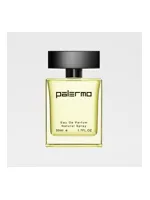
Is Palermo Perfumes M361 a dupe of Burberry Mr. Burberry?



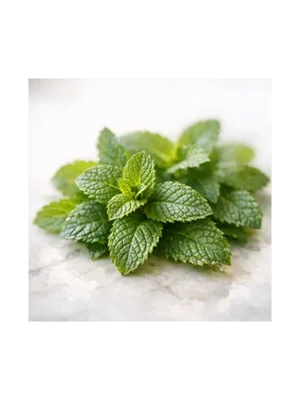


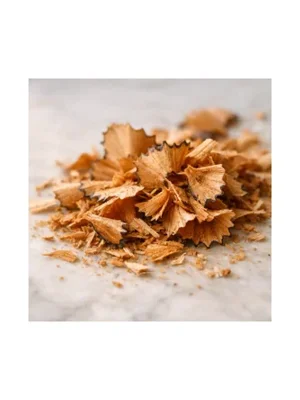


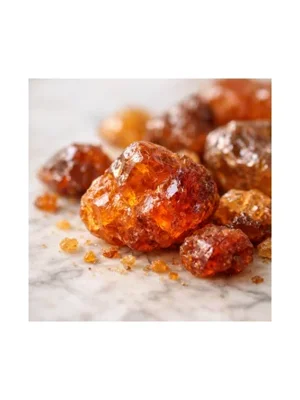


 Mr. Burberry EDP
| EDP | Concentration | EDP |
| M | Gender | M |
| 2017 | Year | - |
| $$ | Price Tier | $ |
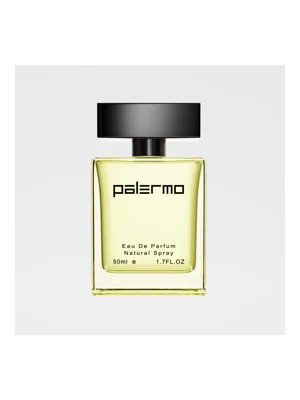 M361 EDP
Mr. Burberry leans smoother and more polished, with a safer, more crowd-friendly profile and a cleaner transition from fresh aromatics into warm woods. Mr Burberry M361 pushes the same idea in a sharper, more herbal direction, with grapefruit, mint and tarragon feeling brisker and more stripped back before the woods take over. If you want the more refined, versatile option for easy wear, Mr. Burberry is the better bet. If you prefer a brighter, more overtly fresh take that feels a bit more angular and budget-led, Mr Burberry M361 makes more sense. The first reads as the more complete, rounded fragrance; the second is the more direct and punchy interpretation.
 →
Where they differ
Biggest gaps first. The bolder side leads.
ScentArt
How it unfolds
Notes
- Mr. Burberry
- M361
- in both
Tap a note to light it in both. A+B means both have it


Which Should You Buy?
- Mr. Burberry feels smoother and more polished
- Mr. Burberry is easier to wear broadly
- Mr. Burberry suits smart, understated dressing
- Mr. Burberry has a more rounded dry-down
- Mr Burberry M361 feels sharper and fresher
- Mr Burberry M361 foregrounds mint and tarragon
- Mr Burberry M361 is the more budget-friendly pick
- Mr Burberry M361 suits a brisk daytime style
Mr. Burberry EDP is the definitive crowd-pleaser for those who want to smell good without shouting about it. While some find it too safe or basic, its elegance, versatility, and smooth masculine character have garnered a loyal following, proving that sometimes, simple sophistication is best.
Grapefruit, mint and tarragon bring a brisk herbal freshness, sharpened by cardamom. Lavender and cedar soften the centre, while a spiced, resinous base settles into dry woods.
Scent Profile
How They Wear
Mood
Notes
Top Notes
Heart Notes
Base Notes
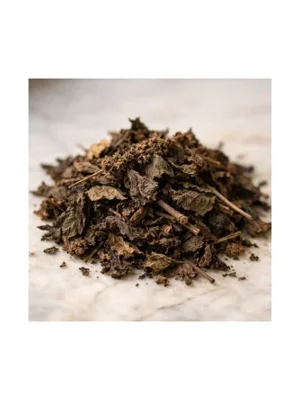 Patchouli
11%
vs
7%
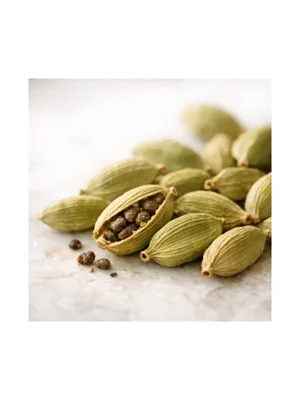 Cardamom
10%
vs
7%
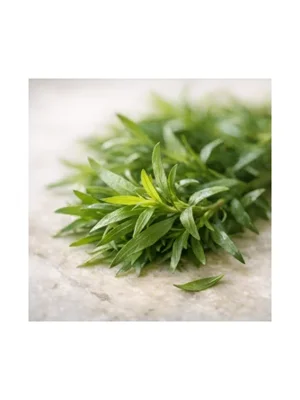 Tarragon
9%
vs
7%
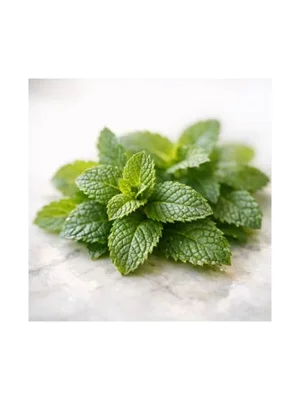 Mint
9%
vs
7%
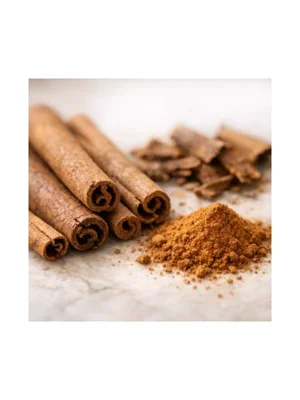 Cinnamon
9%
vs
7%
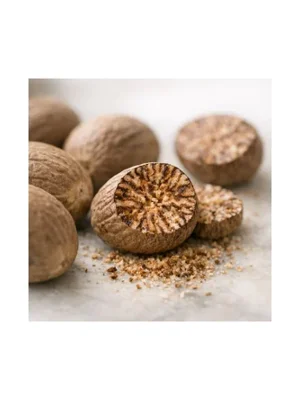 Nutmeg
7%
vs
7%
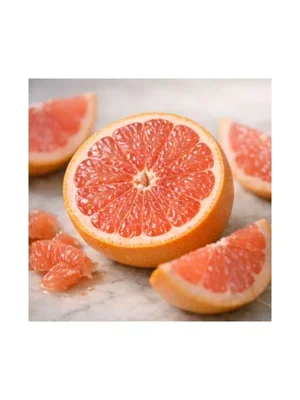 Grapefruit
7%
vs
7%
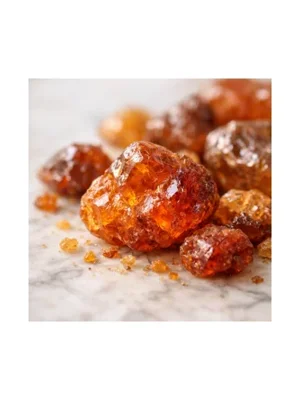 Amber
6%
vs
7%
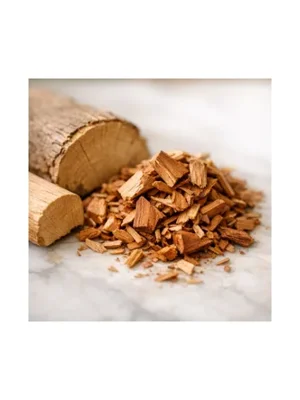 Sandalwood
6%
vs
7%
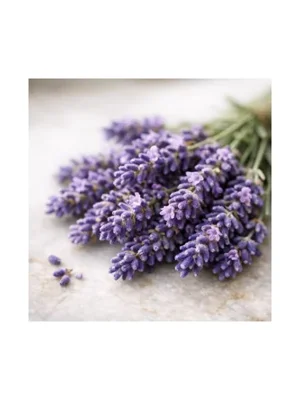 Lavender
6%
vs
7%
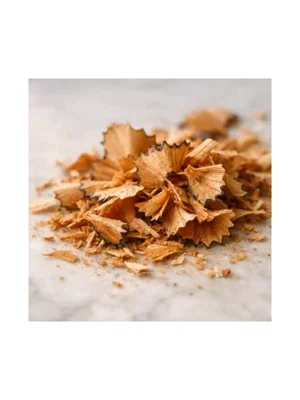 Cedar
5%
vs
7%
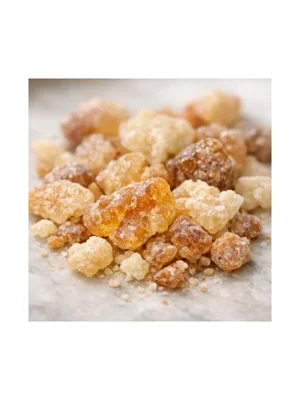 Benzoin
5%
vs
7%
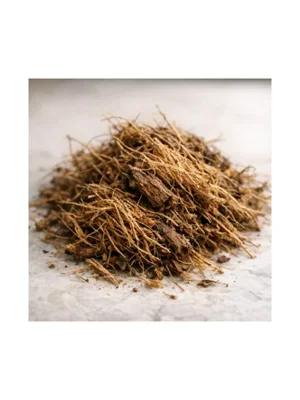 Vetiver
4%
vs
7%
Patchouli
11%
vs
7%
Cinnamon
9%
vs
7%
Amber
6%
vs
7%
Sandalwood
6%
vs
7%
Benzoin
5%
vs
7%
Vetiver
4%
vs
7%
Note weights are our estimate from each note's place in the pyramid, not the share of the formula. Brands do not publish formulations.
Performance
Season and Occasion Fit
Seasons
A year-round scent - easy to wear in any season.
Occasions
Its moderate projection and generally inoffensive, clean profile make it excellent for office and casual wear. The warm spice and woody accords lend themselves well to dates, but it might lack the gravitas for truly formal events or the freshness for sport.
Seasons
Grapefruit, mint and tarragon give the scent a fresh, aromatic shape that fits mild and warmer days. Cedar and sandalwood bring enough woodiness for autumn, while the profile has less density for deep winter.
Occasions
The clean citrus and aromatic herbs keep the scent composed in relaxed daytime settings. Its spiced woods add depth for an evening, while the resinous base is less suited to active sport.
Similarity Breakdown
Our estimate of how alike these two fragrances smell, calculated from their published notes. It is a position on our scale, not a measured percentage of shared smell.
Every one of its 13 notes is in the original, including Cardamom, Mint, Grapefruit
Near-identical note list, differs in proportion
Where to buy
Pick a size. The two cheapest offers, then the rest.





Prices before sales tax, which the shop adds at checkout.
ScentVerdict earns a commission from purchases - this doesn't affect our verdicts.